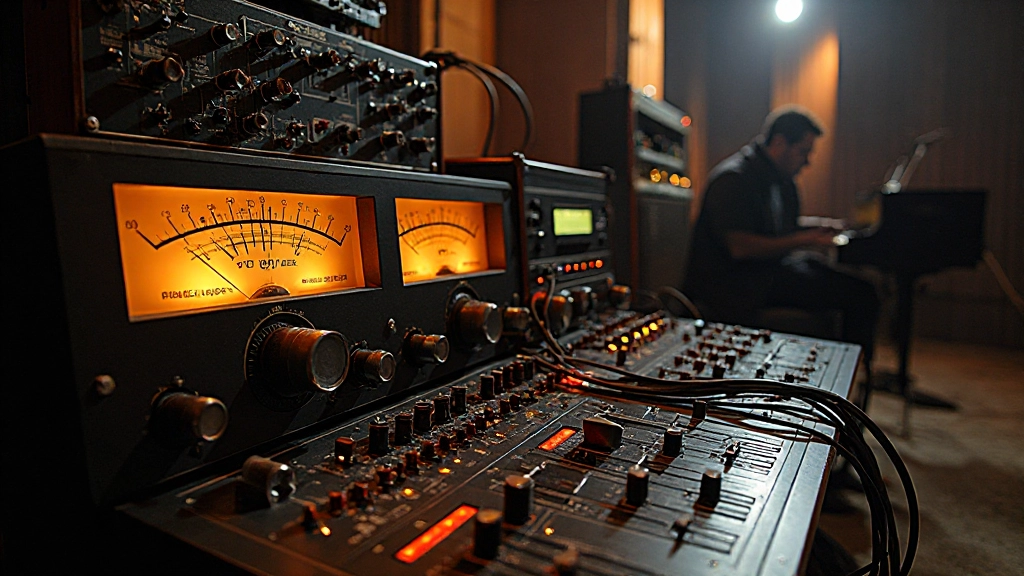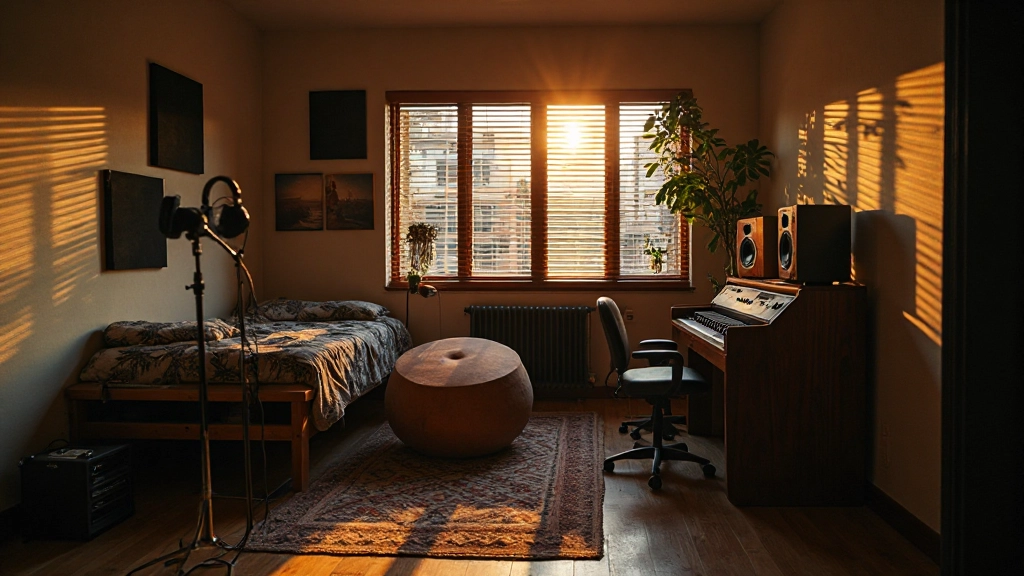
The cajon sat wedged between my desk and the closet door, barely two feet of clearance on any side. My neighbor Trevor had brought it over for what he optimistically called a "quick recording session" in my spare bedroom studio. One look at the cramped quarters and I knew we'd need to get creative.
Recording percussion in small spaces presents unique challenges that go beyond simply finding room for the instrument. Sound reflections bounce off nearby walls in milliseconds, creating comb filtering and phase issues that can turn a punchy snare hit into a muddy thump. But here's what I've learned after years of capturing drums, hand percussion, and everything in between in spaces barely larger than walk-in closets: constraints often lead to the most creative solutions.
Reading Your Room Like a Percussion Map
Every small room has acoustic fingerprints that affect how percussion sounds. Before placing a single microphone, spend ten minutes walking around your space and clapping your hands. Listen for the immediate slap-back echo that reveals your room's primary reflection points.
In Trevor's case, we discovered that the corner near my closet had a surprisingly dead response when we clapped there. The hanging clothes acted as irregular acoustic absorption, breaking up reflections that would normally create harsh echoes. This became our sweet spot for positioning the cajon.
The proximity of walls in small spaces actually offers some advantages for percussion recording. Close boundaries can reinforce low frequencies, adding natural weight to kick drums and floor toms. The key is understanding which reflections enhance your sound versus which ones muddy it up.
Microphone Placement That Defies Convention
Traditional percussion recording often relies on distance and room ambience. In cramped quarters, you'll need to embrace close-miking techniques that capture the instrument's character while minimizing problematic reflections.
For the cajon session, I positioned a dynamic microphone just six inches from the front panel, angled slightly off-axis to avoid the direct blast of air from the sound hole. A second small-diaphragm condenser went behind the cajon, pointing at the back panel where Trevor's hands created the slap tones.
- Use the proximity effect strategically: Dynamic microphones exhibit proximity effect when placed close to sources, boosting low frequencies. This can add natural warmth to kick drums and djembes without EQ.
- Angle microphones away from walls: Position mics so their pickup patterns point away from the nearest reflective surfaces. Even a 45-degree angle can reduce unwanted room tone significantly.
- Exploit null zones: Every microphone has areas of reduced sensitivity. Position these null zones toward problematic room reflections.
- Layer perspectives: Use one close mic for punch and clarity, and a second at a different distance for texture and body.
The behind-the-cajon microphone captured Trevor's hand techniques with surprising clarity. Because it was positioned in the acoustic shadow of the instrument itself, it picked up minimal room reflections while adding the percussive snap that made his performance feel alive.
Creative Acoustic Treatment on Zero Budget
You don't need expensive acoustic panels to tame a small recording space. Strategic use of household items can dramatically improve your percussion recordings.
During our session, I hung a thick comforter from a microphone boom stand, creating a temporary acoustic barrier between the cajon and the most reflective wall. This simple move eliminated a harsh slap-back that was smearing the attack transients.
| Household Item | Acoustic Function | Best Use Case |
|---|---|---|
| Moving blankets | Broadband absorption | Temporary acoustic barriers, overhead dampening |
| Couch cushions | Mid-frequency control | Positioned behind microphones to reduce reflections |
| Clothing racks with garments | Irregular scattering | Breaking up flutter echoes from parallel walls |
| Thick rugs or carpets | Floor reflection control | Reducing slap-back from hard flooring |
The goal isn't to create an anechoic chamber, but to control the most problematic reflections while preserving some natural room character. Percussion benefits from a controlled amount of ambience that adds life and dimension to the recording.
Hybrid Recording Techniques for Maximum Impact
Small-space percussion recording often works best when you combine multiple approaches. During the cajon session, we experimented with a technique I call "perspective layering" that captures both intimate detail and spatial context.
While the primary microphones captured Trevor's performance, I set up a third mic across the room, pointing into the corner where reflections naturally collected. This ambient microphone was heavily compressed and mixed low in the final recording, adding just enough room tone to prevent the close-miked sound from feeling claustrophobic.
"The magic happens when you stop fighting your room's limitations and start working with them. That corner reflection might be the secret sauce your percussion track needs."
We also tried recording some passes with Trevor facing different directions. When he turned the cajon 90 degrees, the sound hole pointed toward the closet full of clothes instead of the bare wall. This simple repositioning added natural high-frequency absorption that sweetened the overall tone without losing clarity.
Managing Bleed and Isolation Creatively
If you're recording percussion as part of a larger arrangement, isolation becomes critical in small spaces. Traditional isolation booths are rarely practical, but you can create effective separation using strategic positioning and acoustic shadowing.
- Position the loudest percussion elements (like snare drums) as far as possible from other microphones
- Use the human body as an acoustic barrier - the performer naturally blocks sound transmission in certain directions
- Record rhythm section elements in multiple passes rather than simultaneously when space is extremely limited
- Employ gating and careful editing to clean up bleed during mixing rather than fighting it during recording
One technique that saved our session involved recording the cajon foundation first, then overdubbing shaker and tambourine parts while Trevor listened through headphones. This eliminated the guesswork of managing multiple microphones in the cramped space while ensuring each element had its own sonic identity.
Processing and Mix Considerations for Small-Room Percussion
Percussion recorded in tight spaces often benefits from specific processing approaches that enhance the natural characteristics while addressing common issues like excessive proximity effect or limited stereo imaging.
The cajon recordings needed subtle high-pass filtering around 80Hz to remove some subsonic rumble from footsteps and room handling noise. A gentle boost around 2-3kHz brought out the slap tones, while a slight cut around 400Hz cleaned up some boxiness caused by the small room dimensions.
For stereo imaging, I used a short delay (15-20 milliseconds) on one of the microphone channels to create artificial width without the phase issues that plague traditional stereo miking in small spaces. This technique, borrowed from classical recording, gave the cajon a sense of space that the physical recording environment couldn't provide.
Building a Percussion Recording Toolkit for Small Spaces
Success in cramped recording environments comes down to preparation and adaptability. Keep a collection of acoustic treatment options readily available, along with microphones that excel in close-proximity applications.
Dynamic microphones like the SM57 or e609 handle high sound pressure levels without distortion and exhibit controlled proximity effect that can enhance rather than overwhelm your recordings. Small-diaphragm condensers provide detail and transient response for capturing subtle hand percussion techniques.
Equally important is developing an ear for how different percussion instruments interact with your specific room. That knowledge becomes invaluable when working under time pressure or with musicians who aren't familiar with recording in constrained spaces.
As Trevor packed up his cajon at the end of our session, we both agreed the recordings had a focused, intimate quality that might have been lost in a larger room. Sometimes the best percussion tracks come not from perfect acoustic spaces, but from creative problem-solving in the space you have available.
Hear what these choices do to your own song.
Upload stems or a finished track, choose a reference direction, and compare a private Moozix mix before you export anything.