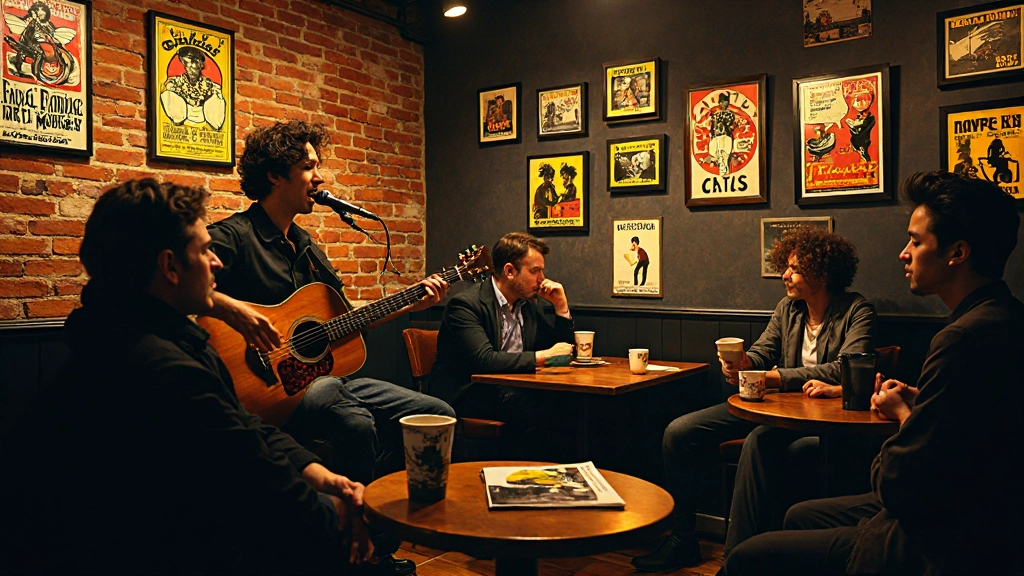
Wesley Thompson pushed back from his laptop at 2 AM, frustrated. Six months of posting content, chasing hashtags, and optimizing for algorithms had netted him exactly twelve new followers and zero meaningful connections. His indie folk project felt more like a marketing spreadsheet than music. The next morning, he deleted his promotional posts and started calling local coffee shops about open mic nights. Three months later, he was co-writing with artists across three states and had a regional tour booked through word-of-mouth alone.
The Platform Dependency Trap
The modern music industry sells a seductive lie: that digital platforms are the primary pathway to sustainable careers. This myth has created a generation of musicians who spend more time creating content about their music than actually making it. The reality is that lasting careers are built on relationships, not reach metrics.
Consider the numbers that matter. Independent artist Elena Rodriguez tracked her career growth for two years using both digital and grassroots approaches. Her social media efforts generated 15,000 followers but only 200 paying fans. Her offline networking through local venues, house concerts, and musician meetups created a core audience of 400 people who regularly attended shows and purchased music directly. The conversion rate spoke volumes: 1.3% for digital followers versus 100% for grassroots connections.
Community Studios as Networking Hubs
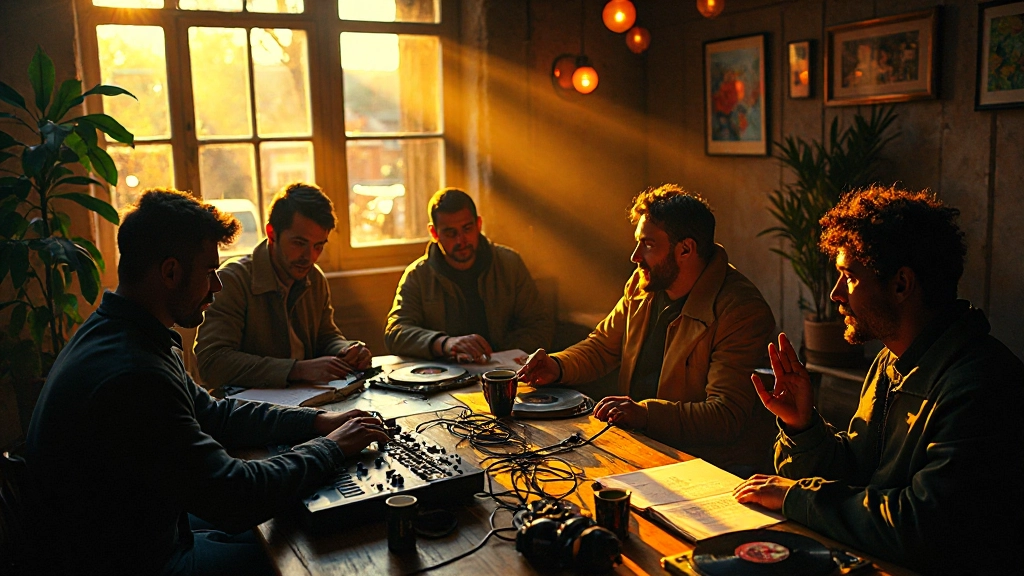
The best career opportunities often emerge from collaborative recording sessions. Shared studio time creates natural partnership opportunities while developing your skills alongside peers. Many cities have community recording spaces, rehearsal facilities, or maker spaces with basic audio equipment where musicians gather regularly.
Drummer Jake Miller discovered this accidentally when his usual practice space was double-booked. The studio manager suggested he join another band's session to split costs. That evening led to three ongoing projects, a monthly songwriter circle, and connections that eventually launched a small independent label focused on their regional scene.
- Research Community Spaces: Contact local rehearsal studios, community centers, or music schools about shared recording time
- Offer Skills for Access: Many facilities need help with basic maintenance, social media, or administrative tasks in exchange for studio credit
- Propose Collaboration Sessions: Organize monthly mix-and-match sessions where musicians can experiment with different combinations
- Document the Process: Record rough mixes of collaborative work to share with participants, creating ongoing connection points
Building Sustainable Musical Partnerships
Real partnerships develop through repeated creative interaction, not single networking events. The most valuable professional relationships in music emerge when artists regularly collaborate on actual projects rather than exchanging contact information at industry mixers.
Songwriter Claire Davidson started hosting monthly co-writing sessions in her home studio. The format was simple: participants brought chord progressions, lyric fragments, or rhythmic ideas to develop collectively. Over eighteen months, these sessions evolved into a loose collective of twelve artists who regularly perform together, share resources, and cross-promote naturally because they genuinely support each other's creative development.
The House Concert Circuit Revolution
House concerts represent one of the music industry's best-kept secrets for sustainable touring and fan development. These intimate performances typically happen in private homes for 20-50 people, creating connection opportunities impossible in traditional venues.
The economics work differently too. While club shows often require selling 100+ tickets to cover expenses, house concerts with 25 attendees at $20 each generate $500 directly to the artist. No venue cuts, minimal travel costs if you book regionally, and every audience member chose to attend specifically for your music.
| Venue Type | Typical Capacity | Artist Percentage | Fan Connection Level | Booking Difficulty |
|---|---|---|---|---|
| House Concert | 20-50 | 85-100% | High | Medium |
| Coffee Shop | 30-80 | 100% + Tips | Medium | Low |
| Small Club | 100-300 | 50-70% | Low | High |
| Festival | 500-5000 | Flat Fee | Very Low | Very High |
Creating Your Own Circuit
The house concert network expands through personal recommendations rather than online promotion. Start by identifying one potential host in your area, then use that connection to reach adjacent communities. Each successful show typically generates 2-3 new hosting opportunities as audience members consider organizing their own events.
- Research existing house concert networks in your region through local music Facebook groups or venue bulletin boards
- Attend house concerts as an audience member before approaching hosts about performing
- Offer to host concerts for other artists, establishing reciprocal relationships
- Create simple, shareable materials (one-sheet, audio samples) that hosts can easily distribute
- Follow up with attendees through personal conversations, not mass emails
Regional Music Communities That Actually Work
Successful regional scenes develop around shared values and consistent gathering points rather than geographic boundaries alone. The most vibrant music communities often center around specific venues, record stores, radio stations, or even weekly meetups that create regular touchpoints for artistic connection.
The Bellingham, Washington indie scene exemplifies this approach. Centered around a community radio station and several venues that actively support local artists, the scene developed its own touring circuit, collaborative album projects, and informal mentorship networks. Artists regularly share resources, equipment, and performance opportunities because the community culture prioritizes collective success over individual competition.
"The best music communities aren't built on competition for limited opportunities. They're built on expanding opportunities for everyone involved."
Identifying Your Regional Ecosystem
Every area has existing musical infrastructure, even if it's not immediately obvious. Record stores often serve as informal community centers. Community radio stations need programming and volunteer DJs. Music venues require opening acts and event promotion support. Coffee shops want consistent programming. These connections create natural entry points into local scenes.
Bassist Maria Santos mapped her local ecosystem by visiting every music-related business in a twenty-mile radius. She introduced herself, asked about local artists they recommended, and offered her services for any projects needing bass. This grassroots research led to session work, songwriting partnerships, and eventually management of a monthly showcase series that became a regional networking hub.
Collaborative Recording as Career Strategy
Many musicians view recording as a solo endeavor requiring expensive studio time and professional producers. However, collaborative recording sessions create multiple career benefits simultaneously: skill development, networking, content creation, and cost sharing. The key is approaching recording as a community activity rather than an isolated artistic statement.
Producer and engineer Tony Chen started organizing monthly "recording parties" where 4-6 musicians would book his studio for full days, working on each other's projects in rotation. Participants contributed different skills - one might handle mixing, another provided additional instrumentation, a third managed vocal arrangements. These sessions produced dozens of finished tracks while building lasting professional relationships.
Setting Up Productive Collaborative Sessions
Successful collaborative recording requires clear structure and defined roles. Without organization, sessions can become unfocused social gatherings that produce mediocre results. The goal is creating an environment where everyone contributes meaningfully to multiple projects.
- Pre-Session Planning: Each participant brings 1-2 songs at similar stages of development (chord charts written, basic arrangements decided)
- Time Management: Divide studio time equally, with clear transitions between projects and designated roles for each song
- Skill Mapping: Identify each participant's strengths (mixing, arrangement, specific instruments) and plan contributions accordingly
- Follow-Up Protocol: Establish how rough mixes will be shared and how collaboration credit will be handled
Building Without Burnout
The most sustainable music careers develop gradually through consistent, meaningful work rather than viral breakthrough moments. This approach requires patience but creates lasting foundations that support long-term creative development. The key is focusing on processes that compound over time rather than tactics that demand constant escalation.
Songwriter Rebecca Park spent five years building her career entirely through live performance and word-of-mouth recommendation. She played 120+ shows annually, always carrying extra copies of her album to give away, and maintained a simple email list for tour announcements. When streaming platforms eventually discovered her music, she already had established fan bases in dozen of cities and a proven touring circuit that supported her full-time music career.
Measuring What Matters
Traditional music industry metrics focus on vanity numbers that don't correlate with sustainable careers. Followers, plays, and likes provide dopamine hits but rarely translate into paying work or meaningful artistic opportunities. Grassroots career development requires different success measurements.
Track relationships instead of reach. Count collaborative projects, not post engagement. Measure repeat bookings rather than single-show attendance. Document skill development through completed recordings. These metrics reflect actual career progress rather than platform performance.
Independent artist David Kim maintains a simple spreadsheet tracking: new musical connections made each month, collaborative projects initiated, skills learned through recording sessions, and repeat venue bookings. Over two years, he's watched these numbers steadily increase while his dependence on social media promotion decreased. His career feels more sustainable and creatively fulfilling than when he was chasing algorithmic approval.
Creating Your Own Opportunities
The most successful independent artists eventually stop waiting for external validation and start creating their own professional opportunities. This might mean organizing showcase events, starting a local musician meetup, launching a small record label, or developing unique performance formats that serve their community's specific needs.
Violinist Amanda Foster recognized that her city lacked performance opportunities for acoustic artists. Rather than complaining or relocating, she started a monthly house concert series in partnership with a local coffee roaster. The events feature 2-3 artists, include a social hour for networking, and always end with informal collaboration sessions. Eighteen months later, the series has a waiting list of both performers and audience members, and has spawned two ongoing band projects and a small independent label.
The infrastructure you create to support your own career inevitably supports other artists as well. This collaborative approach builds lasting professional relationships while addressing real gaps in your local music ecosystem. Success comes from solving problems that multiple artists face rather than promoting individual achievements.
Starting Small, Thinking Long-Term
Sustainable music careers develop through incremental improvements and consistent creative work rather than dramatic breakthrough moments. The artists who maintain long-term careers typically focus on craft development, relationship building, and community contribution over extended periods.
Every significant music career contains hundreds of small, unglamorous decisions that compound over time. Showing up early to venue soundchecks. Learning other musicians' songs well enough to provide meaningful backup. Offering equipment or transportation when touring artists visit your area. Consistently delivering professional-quality recordings regardless of project budget. These practices build reputation and opportunity through demonstrated reliability.
The path beyond platform dependency starts with a simple commitment: prioritizing musical relationships over marketing metrics. Whether that means booking your first house concert, joining a community studio, or starting a local songwriter circle, the goal remains consistent - building a career on human connections rather than algorithmic approval.
Hear what these choices do to your own song.
Upload stems or a finished track, choose a reference direction, and compare a private Moozix mix before you export anything.