Inside a cramped rehearsal space in Portland's industrial district, guitarist Rachel Henley watches as drummer Tom Castillo packs his kit after another late-night session. It's 2019, and their indie rock project has been spinning its wheels for months, posting tracks to streaming platforms and watching play counts barely crack double digits. "There's got to be more to this than uploading and hoping," Rachel mutters, coiling cables with the practiced efficiency of someone who's done this dance too many times.
That conversation sparked something that would reshape not just their musical trajectory, but their entire understanding of how music communities actually form and thrive. What they discovered over the next three years runs counter to nearly every piece of modern music marketing advice: the most effective promotion strategies happen offline, in the physical spaces where musicians gather, collaborate, and support each other's creative work.
The Hidden Infrastructure of Music Discovery
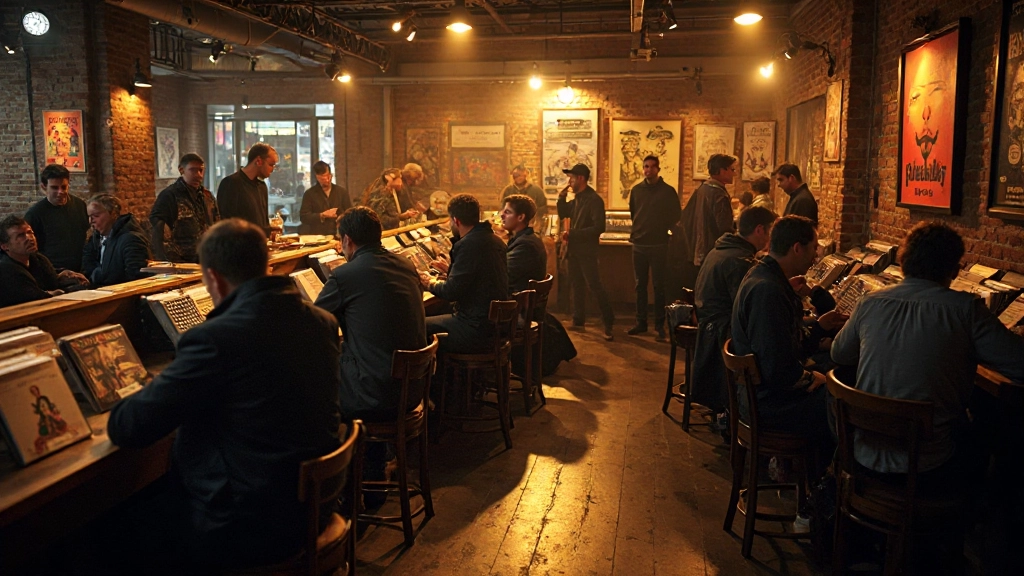
Walk into any thriving music scene and you'll notice something immediately: the successful artists aren't just talented players, they're connected players. But these connections aren't built through follower counts or engagement metrics. They're forged in the unglamorous moments between sets, during load-in conversations at venues, and through the slow accumulation of trust that comes from showing up consistently.
Rachel and Tom's breakthrough came when they shifted their energy from digital metrics to physical presence. Instead of spending hours crafting Instagram posts, they started showing up early to local shows, offering to help bands load equipment, and genuinely engaging with the music happening around them. "We became students of our local scene before we tried to be teachers," Rachel explains.
The Venue Relationship Blueprint
Three months into their scene-building experiment, Rachel and Tom had mapped every venue within a 50-mile radius that hosted live music. But more importantly, they'd begun building relationships with the sound engineers, bookers, and bartenders who make these spaces function. This groundwork led to their first real breakthrough.
At a small club called The Anchor, sound engineer Mike Chen was dealing with a band whose guitarist had blown an amp during soundcheck. Rachel, who'd been chatting with Mike during the previous band's set, offered her backup amp without being asked. "That fifteen-minute conversation and five-minute favor got us more genuine opportunities than six months of email pitches," Tom recalls.
| Traditional Approach | Community-First Approach | Long-term Impact |
|---|---|---|
| Cold email venue bookers | Attend shows, meet staff organically | Trust-based relationships |
| Submit EPK packages | Demonstrate reliability through actions | Referral opportunities |
| Focus on own performance slots | Support other bands' shows | Reciprocal promotion network |
| Negotiate for better time slots | Accept opener spots gracefully | Reputation for professionalism |
Cross-Pollination Strategies That Actually Work
The most effective music discovery networks operate like ecosystems, where different genres, venues, and artist communities overlap and cross-pollinate. Rachel and Tom learned this lesson when they started attending shows outside their immediate genre comfort zone.
At a folk singer-songwriter night at a coffee shop, they met bassist Jenny Morrison, whose day job happened to be managing social media for a local record store. That casual conversation led to an in-store acoustic performance, which attracted the attention of a music blogger, which resulted in their first significant press coverage. None of this happened through targeted marketing campaigns.
- Map Your Scene's Overlaps: Identify venues that host multiple genres, musicians who play in different projects, and industry people who work across various musical communities.
- Become a Bridge: Look for opportunities to connect people from different parts of the scene. Introduce the jazz drummer to the indie band looking for session work. Mention the venue looking for opening acts to the singer-songwriter you met at the coffee shop.
- Share Resources Generously: When you discover useful information, rehearsal space availability, or equipment deals, pass them along to other musicians without expecting immediate returns.
- Attend Everything: Show up to album release parties, benefit concerts, open mics, and industry meetups, even when the music isn't your style. These events are networking goldmines disguised as entertainment.
The Recording Studio as Community Hub
Six months into their community-building journey, Rachel and Tom made a strategic decision that would amplify everything they'd learned. Instead of booking isolated recording sessions at commercial studios, they partnered with a local engineer who worked out of a converted warehouse space that hosted multiple projects simultaneously.
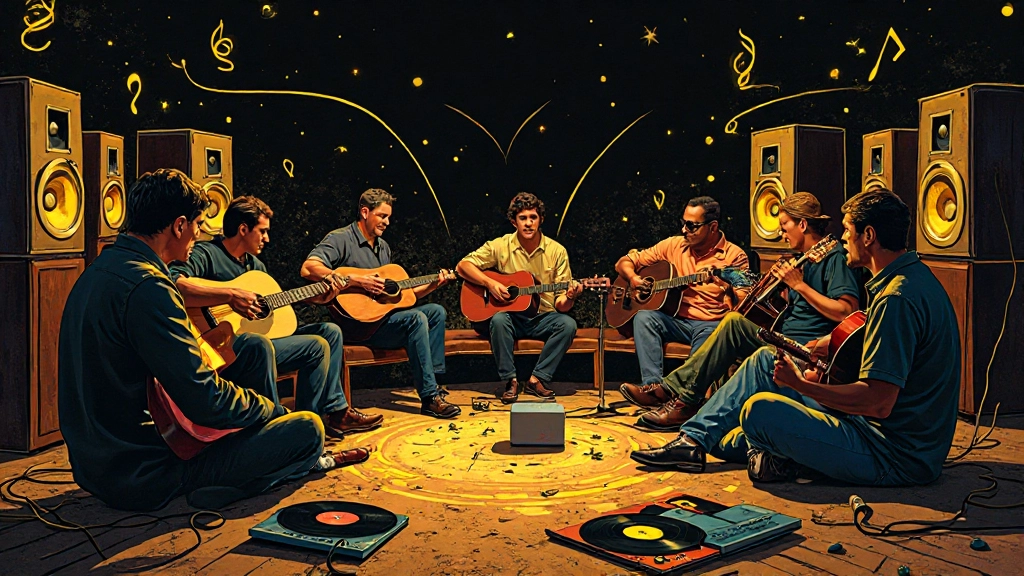
Engineer David Kim had designed his studio layout to encourage collaboration. Multiple isolation booths allowed different projects to work simultaneously, with a common lounge area where musicians could take breaks, share ideas, and often end up collaborating spontaneously. "The studio became like a creative co-working space," Rachel notes. "We'd go in to record our stuff and leave with three new musical connections."
"The best music scenes aren't built by individual artists promoting themselves. They're built by artists promoting each other."
This collaborative recording approach led to some unexpected creative breakthroughs. During one session, Tom was struggling with a drum part when hip-hop producer Alex Santiago, working in an adjacent room, suggested a different groove approach. That cross-genre conversation influenced their next EP's rhythmic foundation and led to a remix collaboration that introduced their music to entirely new audiences.
Beyond the Algorithm: Radio and Real People
While most independent artists focus exclusively on streaming platform algorithms, Rachel and Tom discovered that community radio stations remain one of the most effective ways to reach engaged music listeners. But getting airplay on these stations requires a completely different approach than digital promotion.
Community radio DJs are typically passionate music fans who curate their shows personally. They're looking for music that fits their aesthetic vision and serves their specific audience, not content that's optimized for broad algorithmic appeal. Rachel and Tom's strategy involved researching individual DJs, listening to their shows, and approaching them as fellow music enthusiasts rather than promotional targets.
- Research DJ schedules and show themes before submitting music
- Listen to shows regularly to understand each DJ's taste and style
- Write personalized emails referencing specific songs or artists the DJ has played
- Provide physical CDs or high-quality digital files, not streaming links
- Follow up appropriately but don't bombard DJs with repeated submissions
- Attend station events and fundraisers to build genuine relationships
The Long Game: Sustainable Scene Building
Two years into their community-first approach, Rachel and Tom's band had achieved something that eluded them during their social media-focused period: sustainable momentum. They weren't dependent on algorithmic visibility or viral moments. Instead, they'd built a network of genuine supporters who actively recommended their music to friends, booked them for private events, and collaborated on creative projects.
Their approach had evolved into what they call "invisible promotion" - marketing that happens through authentic relationships rather than obvious advertising. When their second EP was ready for release, they didn't need to create a complex launch campaign. The community they'd spent two years supporting rallied around the release naturally.
The Recording Quality Factor
One crucial element that Rachel and Tom learned through their community building was how recording and mixing quality affects grassroots promotion. When you're relying on word-of-mouth recommendations and radio play, your tracks need to sound professional enough to represent you well in various listening contexts.
Working with engineer David Kim, they developed a mixing approach that prioritized clarity and translation over flashy effects. "Community radio DJs are playing your track between professional releases," David explains. "It needs to hold up sonically, or it reflects poorly on their show." This meant focusing on fundamental mix elements: balanced levels, clear vocal presence, and solid low-end that works on both large and small speakers.
Their mixing process became more collaborative as well. Instead of the traditional artist-engineer dynamic, they invited trusted community members to listen to rough mixes and provide feedback. This approach not only improved their recordings but also created a sense of investment among their supporters.
Practical Mix Considerations for Grassroots Promotion
When mixing for community-based promotion, certain technical considerations become more important than they might be for digital-first releases. Radio play requires mixes that cut through compression and sound good on various broadcast systems. Live venue promotion benefits from tracks that translate well through club sound systems. House concerts and intimate venues need mixes that work at lower volumes.
Rachel and Tom worked with David to create what they called "translation mixes" - versions of their songs optimized for specific promotional contexts. The radio mix emphasized midrange clarity and controlled dynamics. The live venue mix had extra punch in the low-mids to compensate for typical club acoustics. The intimate venue mix used wider stereo imaging and more subtle effects that revealed themselves at lower listening levels.
Measuring Success Beyond Metrics
Perhaps the most significant shift in Rachel and Tom's approach was how they measured success. Instead of tracking streaming numbers and social media followers, they started paying attention to different indicators: how often other musicians approached them for collaboration, whether venue owners remembered their names, how many genuine conversations their music sparked.
"We stopped asking 'How many people heard our song?' and started asking 'How many people were moved enough by our music to take action?'" Rachel reflects. This reframing led them to prioritize deeper connections over broader reach, quality interactions over quantity metrics.
The results speak for themselves. Three years after that frustrated conversation in the Portland rehearsal space, their band regularly sells out local venues, has been invited to showcase at regional music conferences, and most importantly, has become an integral part of a thriving creative community that extends far beyond their own musical project.
Starting Your Own Scene-Building Journey
The transition from digital-first to community-first promotion requires patience and genuine commitment. It's not a quick fix for struggling streaming numbers or a shortcut to industry attention. Instead, it's a sustainable approach to building a musical career that's rooted in real relationships and authentic community support.
Your first step isn't creating content or optimizing profiles. It's becoming a student of your local music scene, understanding how it functions, who the key players are, and where the gaps exist that you might help fill. From there, the path forward becomes clearer: show up, support others, contribute value, and let your musical connections grow organically from genuine relationships.
As Tom puts it, "We thought music promotion was about getting people to notice us. It turns out it's about noticing other people and finding ways to lift up the whole community. When you do that consistently, the community lifts you up in return."
Hear what these choices do to your own song.
Upload stems or a finished track, choose a reference direction, and compare a private Moozix mix before you export anything.