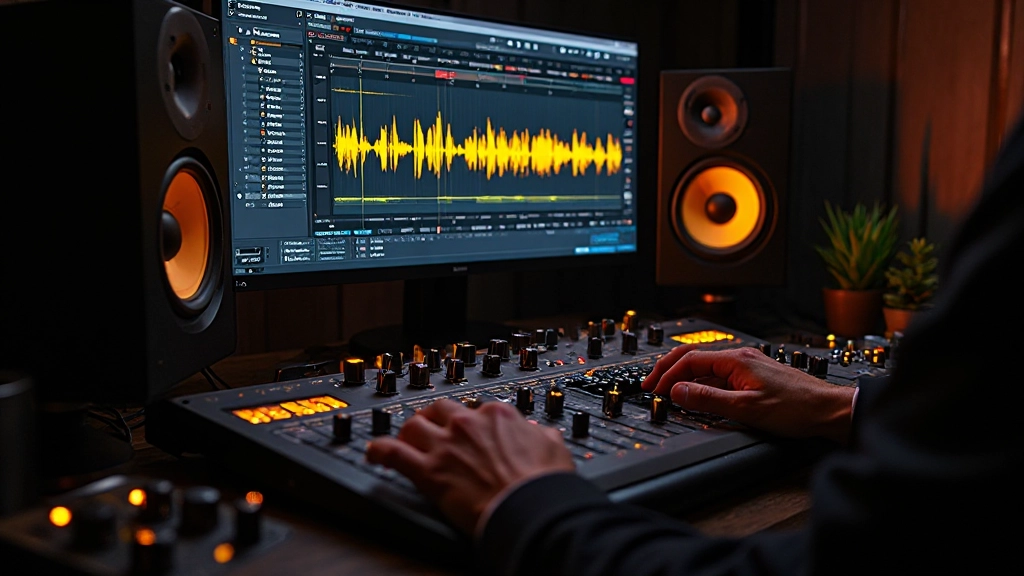
The vocal was cutting through perfectly until Chester reached for that final bit of sparkle. One more dB at 12kHz, and suddenly the singer's voice felt like broken glass. We've all been there—chasing that elusive air and presence, only to create the kind of harshness that makes listeners reach for the volume knob.
The Brightness Trap Every Engineer Falls Into
Chester had been mixing for three years when he brought me a track that perfectly illustrated the high-end dilemma. "I boosted everything above 8kHz," he explained, "but it just sounds harsh and digital." His approach wasn't unusual—many engineers assume that adding presence means turning up the treble. But presence and harshness often share the same frequency neighborhoods, and distinguishing between them requires understanding how our ears actually process high-frequency information.
The myth persists that more high-end automatically equals more clarity. In reality, indiscriminate brightness often masks the very details we're trying to enhance. When you boost broad swaths of the upper spectrum, you're amplifying both musical harmonics and problematic resonances equally. The result feels aggressive rather than airy, fatiguing rather than detailed.
Understanding the Difference Between Air and Harshness
Real air lives in the spaces between sounds—it's the sense of dimension and openness that makes a mix feel three-dimensional rather than flat. Harshness, by contrast, creates tension and fatigue, making listeners unconsciously pull away from the speakers. The difference often comes down to which specific frequencies you're affecting and how you're shaping them.
Musical presence typically exists in narrow bands where natural harmonics create interest without aggression. These sweet spots vary by source: vocals might benefit from gentle enhancement around 10-12kHz, while acoustic guitars often respond better to subtle boosts between 6-8kHz. The key lies in surgical precision rather than broad strokes.
| Frequency Range | Musical Quality | Common Problems |
|---|---|---|
| 2-4kHz | Presence, clarity | Nasal harshness, honk |
| 5-7kHz | Definition, attack | Sibilance, ear fatigue |
| 8-12kHz | Air, sparkle | Digital harshness, brittleness |
| 12kHz+ | Ultra-high shimmer | Noise amplification, tizz |
The Subtractive Approach That Actually Works
Paula discovered this principle while working on a particularly dense rock arrangement. Instead of adding high-end EQ to create space, she started removing problematic frequencies that were masking the natural brightness already present in her sources. "I spent an hour cutting muddy frequencies between 200-500Hz," she recalled, "and suddenly everything above 5kHz opened up without any boosting at all."
This subtractive philosophy recognizes that harshness often results from frequency masking rather than genuine lack of high-end content. When low-mid buildup clouds your mix, the brain compensates by perceiving the top end as dull or muffled. Remove the mask, and the existing brightness emerges naturally, without the aggressive edge that comes from artificial boosting.
The technique works especially well on individual tracks before you start shaping the overall balance. Clean up each element's problematic frequencies first, then assess what kind of presence enhancement—if any—the mix actually requires.
Surgical EQ Techniques for Natural Brightness
When additive EQ becomes necessary, precision matters more than gain amount. Rather than broad 3dB shelves, try narrow 1-2dB peaks targeted at specific harmonic frequencies. Use your spectrum analyzer to identify where each source's natural harmonics live, then enhance only those areas that contribute to musicality rather than aggression.
- Identify the fundamental: Find each source's primary frequency content using spectrum analysis during playback
- Locate harmonic series: Look for natural peaks at 2x, 3x, and 4x the fundamental frequency
- Test narrow boosts: Apply gentle 0.5-1dB gains with Q values between 2-4 at harmonic peaks
- Compare constantly: A/B your changes against the original to ensure you're adding musicality, not harshness
- Check context: Solo processing can sound good while causing problems in the full mix
Dynamic Solutions for Moving Sources
Static EQ assumes that every note, word, and phrase needs the same frequency shaping—but that's rarely true. Vocals move between chest voice and head voice, guitars shift between rhythm and lead parts, and drums vary in intensity throughout a song. Dynamic EQ and multiband processing offer more nuanced solutions for adding presence without creating harshness during louder sections.
"I used to EQ vocals like they were static sources, but voices are constantly changing. Dynamic EQ lets me add presence to quiet phrases without making the loud choruses harsh and aggressive."Recording engineer Elena Rodriguez
Set up dynamic EQ bands to engage only when specific frequency ranges exceed certain thresholds. This allows you to add sparkle during softer passages while automatically backing off when the source gets loud enough to create harshness. The result feels more natural because it mimics how our ears actually respond to varying intensity levels.
Context-Dependent Frequency Choices
The same 10kHz boost that sounds perfect on a isolated vocal might create brittle harshness once you add guitars, cymbals, and other high-frequency content. Successful presence enhancement requires considering the full arrangement's frequency balance rather than optimizing individual elements in isolation.
Start your high-end work with all elements playing, then make subtle adjustments while monitoring how each change affects the overall balance. Pay special attention to how different sources interact in the presence frequencies—sometimes the best solution involves giving different elements their own narrow frequency slots rather than competing for the same ranges.
Reference Tracks and Reality Checks
Harshness creeps in gradually during long mix sessions as your ears adapt to increasingly aggressive frequency content. Regular comparison with well-mixed reference tracks helps maintain perspective on what constitutes natural brightness versus artificial edge. Choose references that match your genre and arrangement density rather than just grabbing the latest hit single.
Load your reference tracks into your DAW and match levels carefully—louder always sounds more exciting, which can make harsh mixes seem impressive until you realize they're just louder. Focus on how the reference handles presence and air without creating fatigue, then apply similar restraint to your own work.
- Load reference tracks at matched levels in your session
- A/B frequently during high-end EQ work
- Pay attention to how references handle dense frequency areas
- Note the balance between clarity and smoothness
- Check how your mix translates to different playback systems
Translation Testing That Reveals Truth
Harshness often reveals itself most clearly on consumer playback systems rather than studio monitors. Earbuds, car stereos, and laptop speakers have their own frequency colorations that can exaggerate problematic high-end choices. Regular translation checking helps identify presence enhancement that works across multiple listening environments rather than just sounding good in your control room.
Create a simple test routine: bounce rough mixes regularly and check them on at least three different systems throughout your session. Pay attention to which frequency choices translate well and which create fatigue or harshness on consumer gear. This feedback loop trains your ears to recognize sustainable presence enhancement versus short-term impressiveness that falls apart outside your studio.
When Less Actually Becomes More
Chester's breakthrough came when he started approaching high-end EQ as problem-solving rather than enhancement. Instead of asking "How can I make this brighter?" he began asking "What's preventing the natural brightness from coming through?" The shift in mindset led to cleaner, more musical results that maintained excitement without crossing into harshness territory.
Sometimes the best presence enhancement involves doing nothing at all—letting well-recorded sources speak for themselves rather than forcing them into artificial brightness. Modern recording and mixing tools make it easy to add presence, but knowing when restraint serves the music better than processing separates good engineers from great ones.
The next time you reach for that high-end EQ, pause and listen to what's already there. You might discover that the air and presence you're seeking already exists in your mix, just waiting to be revealed rather than added.
Hear what these choices do to your own song.
Upload stems or a finished track, choose a reference direction, and compare a private Moozix mix before you export anything.