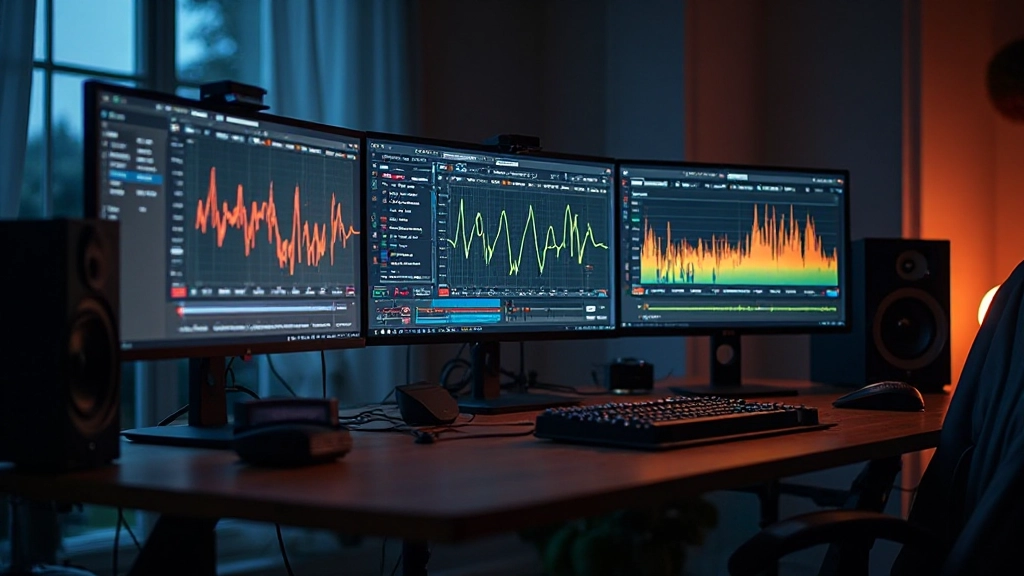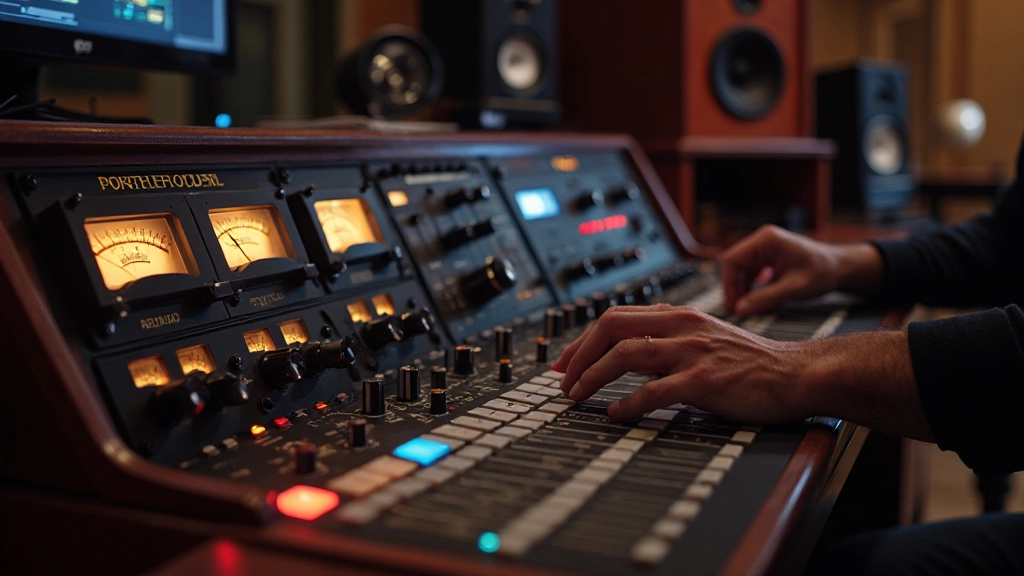
Dear 22-year-old me, sitting in that cramped bedroom studio with foam panels haphazardly taped to the walls, desperately trying to figure out why every mix sounded like it was recorded underwater...
You're about to spend three years chasing the wrong solutions. You'll buy bass traps you can't afford, obsess over EQ curves that don't matter, and convince yourself that expensive monitors will magically fix everything. Save yourself the trouble. The problem isn't your room or your gear – it's how you're thinking about bass frequency management.
Here's what I wish someone had told you about achieving bass presence without turning your mix into mud.
The Fundamental Truth About Low-End Clarity
Picture this: It's 2 AM, and I'm working on a track that should sound massive. The kick drum has weight, the bass guitar has character, but together they sound like a pillow fight in a swimming pool. I spent hours boosting here, cutting there, adding harmonic excitement, parallel compression – everything except addressing the real issue.
Bass presence isn't about having more bass. It's about having the right bass in the right place at the right time.
Strategy One: The Rhythm Section Marriage Counselor
Your kick drum and bass guitar need to coexist, not compete. I learned this the hard way during a session with a funk band where the rhythm section sounded incredible in the room but completely disappeared in the mix.
Start by soloing your kick and bass together. Listen for where they're stepping on each other. Usually, it's around 80-120 Hz. Instead of fighting this with EQ surgery, try shifting one element slightly in frequency emphasis.
If your kick has punch around 80 Hz, let the bass own 60 Hz and 100 Hz. Use a gentle high-pass filter on the bass around 40 Hz to clean up subsonic rumble that you feel more than hear. This creates space without losing power.
Strategy Two: The Side-Chain Breathing Room Technique
Side-chain compression isn't just for EDM pumping effects. Used subtly, it's the secret weapon for bass clarity in any genre. Set up a compressor on your bass track, triggered by your kick drum.
Use gentle settings: 3:1 ratio, medium attack (10-30ms), quick release (100-200ms), and only 2-3 dB of reduction. This creates microscopic breathing room every time the kick hits, preventing the low-end from building up into a muddy mess.
- Insert compressor on bass track
- Set kick drum as side-chain input
- Dial in 2-3 dB reduction with quick release
- Adjust timing so bass "ducks" slightly on kick hits
Strategy Three: Harmonic Enhancement Over Fundamental Boosting
Here's something that took me years to understand: bass presence often comes from harmonics, not fundamentals. A bass guitar's fundamental might be at 41 Hz (low E), but its character lives between 100-400 Hz.
Instead of cranking the sub-bass, try gentle enhancement around 100-200 Hz where the note definition lives. Add some controlled saturation or harmonic distortion to create upper harmonics that help smaller speakers reproduce the bass line.
Tape saturation plugins or analog modeled preamps work beautifully here. The goal is subtle harmonic enrichment that makes the bass feel present without adding mud.
Strategy Four: The Multi-Band Approach
Think of your bass elements in frequency zones rather than as single entities. I like to conceptually split bass into three zones:
| Frequency Range | Purpose | Treatment |
|---|---|---|
| 20-60 Hz | Weight and power | Clean, controlled, minimal processing |
| 60-150 Hz | Punch and impact | Compression, careful EQ shaping |
| 150-400 Hz | Note definition | Harmonic enhancement, clarity focus |
Use a multi-band compressor or dynamic EQ to treat each zone independently. This prevents problems in one frequency range from affecting the entire bass spectrum.
Strategy Five: The Reference Track Reality Check
Load a commercial track in your genre that has the bass presence you want. Match the levels roughly and A/B between your mix and the reference. Pay attention not just to how much bass there is, but where it sits in the frequency spectrum.
Use a spectrum analyzer, but trust your ears first. Often, professional mixes have less sub-bass than you think but more mid-bass clarity and harmonic content.
Strategy Six: The Context-Dependent Mix Decision
Bass presence changes dramatically based on what else is happening in your arrangement. During a sparse verse, you might want more fundamental weight. In a dense chorus with multiple instruments, you might need to thin out the low-mids and emphasize note definition instead.
Automate your bass EQ and compression based on song sections. This isn't cheating – it's professional mixing technique. Your bass doesn't need to sound identical throughout the entire song.
Strategy Seven: The Sum Versus Parts Philosophy
Stop mixing your bass in isolation. The moment you solo it to make EQ decisions, you lose context. Your bass needs to work with the kick, the guitars, the keyboards, and everything else fighting for space in the lower frequencies.
Make bass decisions with the full mix playing. Use short-term solo checks for surgical work, but always return to the full context before committing to changes.
"The best bass sound is the one that serves the song, not the one that sounds impressive in isolation."
The Long View: Building Instincts Over Time
These techniques will get you started, but here's the deeper truth: learning bass management is about developing instincts for frequency relationships. Every room, every song, every combination of instruments presents unique challenges.
Start with these seven strategies, but pay attention to what works in your space with your monitors and your musical style. Build your own mental database of solutions.
Your bedroom studio isn't holding you back as much as you think. Some of the best bass sounds in popular music were mixed in less-than-ideal rooms by engineers who understood these fundamental principles.
The next time you're frustrated by muddy low-end, remember: bass presence without muddiness isn't about having better gear or a perfect room. It's about making thoughtful decisions in the frequency spectrum, creating space between elements, and always serving the song rather than impressing other engineers.
Now stop reading about it and go mix something. Your future self will thank you for starting this journey today.
Hear what these choices do to your own song.
Upload stems or a finished track, choose a reference direction, and compare a private Moozix mix before you export anything.