Trevor pulled down the kick drum fader and watched his mix transform. Suddenly, the bass guitar snapped into focus, the snare gained punch, and everything felt bigger. He hadn't added compression or EQ. He'd simply discovered that his kick and bass were fighting each other in ways that traditional meters never revealed.
Phase problems lurk in every mix, from obvious polarity flips to subtle timing issues that drain power from your low end. These invisible mix killers often masquerade as other problems, leading engineers down rabbit holes of unnecessary processing. The good news? Once you develop an ear for phase issues and learn systematic detection methods, you can solve them quickly and dramatically improve your mix clarity.
The Myths That Keep Phase Problems Hidden
Before diving into solutions, let's debunk the most common misconceptions that prevent engineers from properly addressing phase issues in their mixes.
Myth 1: Phase Problems Only Happen During Recording
Many engineers assume phase issues originate solely from microphone placement or polarity switches. While these are common sources, phase problems frequently develop during mixing through processing chains, parallel compression, and layered samples.
Consider what happens when you blend a close-miked snare with an overhead capture of the same hit. Even with perfect polarity, the timing difference creates comb filtering that can hollow out your snare sound. Add a snare sample for extra punch, and you've introduced another potential phase relationship that could either reinforce or cancel crucial frequencies.
Myth 2: If It Sounds Good in Mono, Phase Is Fine
The mono compatibility test catches obvious polarity problems, but it misses subtle phase issues that still impact your stereo mix. Partial phase cancellation can create frequency-specific problems that remain audible in mono while still degrading your stereo image.
Rachel, a producer I worked with, spent hours EQing mud out of her kick drum. When we checked phase correlation between the kick and bass, we discovered they were canceling each other around 80Hz. A simple timing adjustment solved what she thought was an EQ problem.
Myth 3: Phase Correlation Meters Tell the Whole Story
Phase correlation meters provide valuable information, but they show overall relationships across the frequency spectrum. A meter reading of +0.5 might indicate healthy correlation overall while hiding significant cancellation in specific frequency ranges that matter most for your mix.
Frequency-specific phase analysis reveals problems that broadband meters miss. Modern DAWs often include spectrum analyzers with phase display modes that show phase relationships across different frequency bands.
Myth 4: Small Timing Differences Don't Matter
Timing differences as small as a few samples can create audible phase issues, especially in the low frequencies where wavelengths are longer. A 5ms delay between kick and bass might seem insignificant, but it represents nearly half a wavelength at 100Hz, potentially causing substantial cancellation.
This myth persists because small timing differences often don't sound obviously wrong in isolation. The problem becomes apparent when you correct the timing and hear how much more powerful and focused your low end becomes.
Myth 5: Phase Problems Are Always Bad
Sometimes phase relationships create interesting tonal colors worth preserving. The key is intentional control rather than accidental problems. Understanding phase allows you to use these relationships creatively while avoiding unintentional mix damage.
The classic "sound" of certain vintage gear often includes controlled phase relationships that add character. Learning to distinguish between musical phase interactions and problematic cancellation helps you make better creative decisions.
Building Your Phase Detection Toolkit
Reliable phase problem diagnosis requires multiple approaches. Your ears remain the most important tool, but visual feedback and systematic testing methods help you identify issues quickly and accurately.
Training Your Ears for Phase Issues
Phase problems have distinctive sonic signatures once you learn to recognize them. Hollow or thin sounds often indicate partial cancellation. Loss of punch or impact in drums suggests timing issues between layered sources. Wandering bass that disappears on certain playback systems points to low-frequency phase problems.
Practice identifying these characteristics by deliberately creating phase issues. Flip polarity on duplicated tracks, introduce small delays between kick and bass, and listen to how different timing relationships affect the sound. This hands-on experimentation builds the ear training necessary for quick problem identification.
"Phase issues sound like someone sucked the life out of your mix. Once you hear that hollow, weak quality, you can't unhear it. The good news is that fixing it often feels like magic."
Visual Analysis Methods
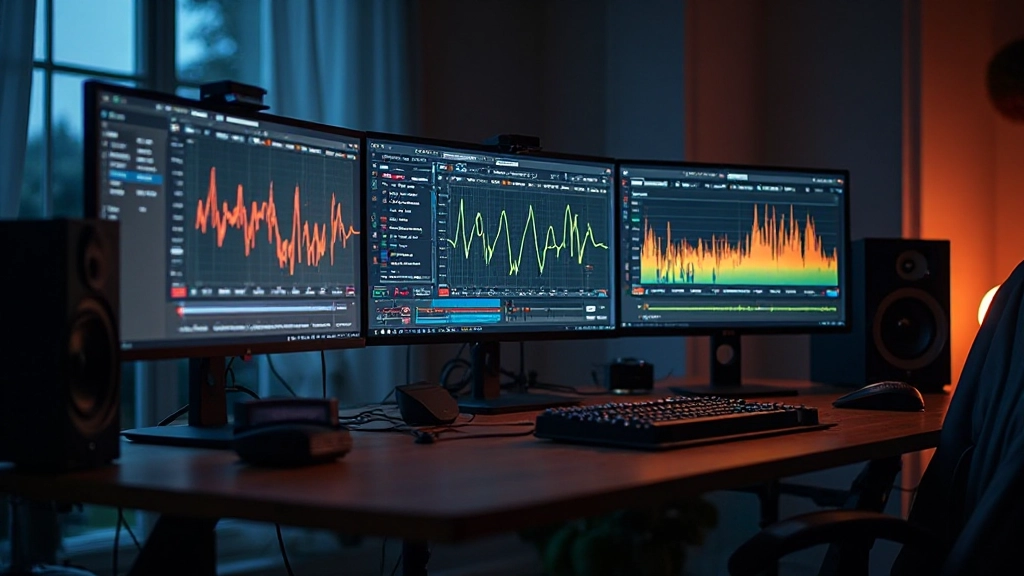
Waveform displays help identify obvious polarity problems and timing relationships. Look for kicks and basses that appear to push against each other rather than working together. Phase correlation meters provide real-time feedback during mixing adjustments.
Spectrum analyzers with phase display modes reveal frequency-specific relationships. These tools show where cancellation occurs across the spectrum, helping you focus corrective efforts on problem frequencies rather than applying broad fixes.
- Load your mix into a spectrum analyzer with phase correlation display
- Solo the low-frequency elements (kick, bass, low synths)
- Look for dips or inconsistencies in the phase correlation across frequency bands
- Note specific frequency ranges showing poor correlation
- Test timing adjustments while monitoring the phase display
Practical Problem-Solving Workflows
When you suspect phase issues, systematic troubleshooting saves time and prevents unnecessary processing. Start with the most common problems and work toward more subtle issues.
The Sequential Isolation Method
Begin by isolating elements that share frequency ranges. Solo your kick and bass together. If the combination sounds weaker than the individual elements, you likely have a phase relationship problem. Test polarity flips first, then timing adjustments.
Extend this process to other frequency ranges. Check snare against overheads, vocals against backing vocals, and any layered instruments. This methodical approach reveals problems that might be masked when listening to the full mix.
Document your findings as you work. Note which elements work well together and which need adjustment. This information becomes valuable for similar mixes and helps you develop faster problem recognition.
The A/B Timing Test
For timing-related phase issues, create alternate versions with small timing adjustments. Nudge tracks forward or backward in 1-5ms increments while listening to the impact on punch and clarity. Modern DAWs make this process quick with sample-accurate editing.
Focus on the attack portions of percussive elements first. Kick drum attacks that align properly with bass note onsets often create more powerful low-end impact. Small adjustments in this area can dramatically improve mix cohesion.
Frequency-Specific Corrections
Sometimes phase problems exist only in specific frequency ranges. High-pass filtering can eliminate problematic low-frequency phase relationships while preserving the useful aspects of your layered sources.
Consider splitting problematic elements into frequency bands for independent timing adjustment. Process the low end of your kick separately from the attack, allowing you to optimize phase relationships in the frequencies where they matter most.
| Frequency Range | Common Phase Issues | Detection Method | Typical Solutions |
|---|---|---|---|
| Sub Bass (20-60Hz) | Kick/bass cancellation | Mono compatibility test | Timing adjustment, EQ spacing |
| Low Mid (60-200Hz) | Multi-mic conflicts | Phase correlation meter | Mic positioning, polarity flip |
| Mid (200Hz-2kHz) | Sample layering issues | Spectrum analyzer | Sample selection, timing nudge |
| High Mid (2-8kHz) | Overhead bleed problems | Solo comparisons | Gate settings, EQ cuts |
Prevention Strategies for Future Mixes
While corrective techniques solve existing problems, prevention strategies help you avoid phase issues from the start. Building good habits during recording and initial mix setup saves significant time later.
Recording Chain Considerations
During recording, maintain awareness of phase relationships between multiple microphones capturing the same source. The 3:1 rule provides a starting point for microphone spacing, but always trust your ears and check phase correlation when blending mics.
Document successful microphone combinations and positions for future reference. What works for your room, your instruments, and your typical arrangements becomes a valuable database for consistent results.
When recording direct and amplified sources simultaneously, pay special attention to timing relationships. Digital latency through amp modeling plugins can create timing offsets that cause phase problems when blending with direct signals.
Mix Setup Protocols
Establish consistent approaches to layered elements during mix setup. Always check phase relationships when combining samples with recorded elements or when using parallel processing techniques.
- Test kick and bass phase relationship first
- Check all drum samples against live recordings
- Verify vocal double phase alignment
- Monitor overhead bleed on close mics
- Document successful element combinations
Create templates that include phase correlation meters and spectrum analyzers on key busses. Having these tools readily available encourages regular monitoring and quick problem identification.
Advanced Techniques for Complex Situations
Some phase problems require creative solutions beyond basic timing and polarity adjustments. These advanced techniques help when standard approaches don't resolve the issues.
Strategic Frequency Splitting
When elements have complex phase relationships that vary across frequency ranges, consider splitting them into bands for independent processing. This allows you to optimize phase in crucial frequency areas while maintaining other beneficial aspects of the relationship.
Use crossover points that align with natural instrument resonances. Splitting a kick drum around 80-100Hz often allows separate optimization of the fundamental punch and the attack click without compromising either aspect.
Creative Phase Manipulation
All-pass filters and phase rotation plugins provide tools for fine-tuning phase relationships without affecting frequency response. These processors can solve problems that timing adjustments alone cannot address.
Experiment with these tools on auxiliary sends rather than insert slots. This approach allows you to blend phase-corrected and original signals for optimal balance between problem solving and maintaining natural character.
Monitoring Your Progress
As you develop your phase problem diagnosis skills, establish methods for measuring improvement and maintaining consistent results across different projects and playback systems.
Regular reference checking on multiple systems helps you understand how phase corrections translate across different playback environments. What solves a problem on your studio monitors might create different issues on headphones or consumer speakers.
Keep notes on successful solutions for different types of projects and arrangements. Pattern recognition develops faster when you document what works and can refer back to proven approaches for similar situations.
Most importantly, trust the process of systematic investigation over quick fixes. Phase problems often have multiple contributing factors, and thorough analysis leads to more durable solutions than surface-level adjustments.
Phase issues represent some of the most dramatic yet easily solved problems in mixing. Learning to identify and correct these invisible mix killers transforms your ability to create powerful, cohesive productions. Like Trevor discovered with his kick and bass relationship, sometimes the biggest improvements come from the smallest, most targeted adjustments.
Hear what these choices do to your own song.
Upload stems or a finished track, choose a reference direction, and compare a private Moozix mix before you export anything.