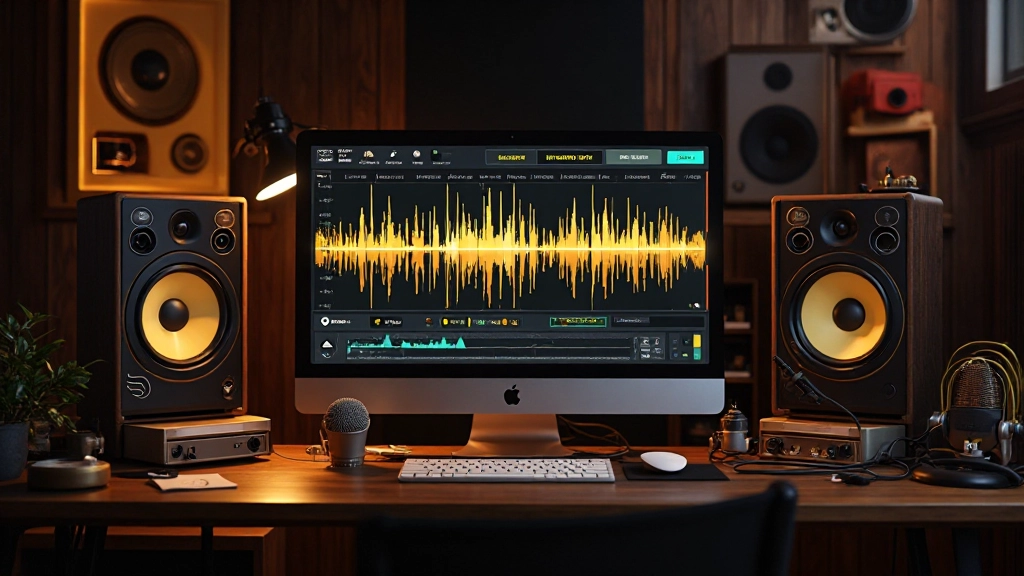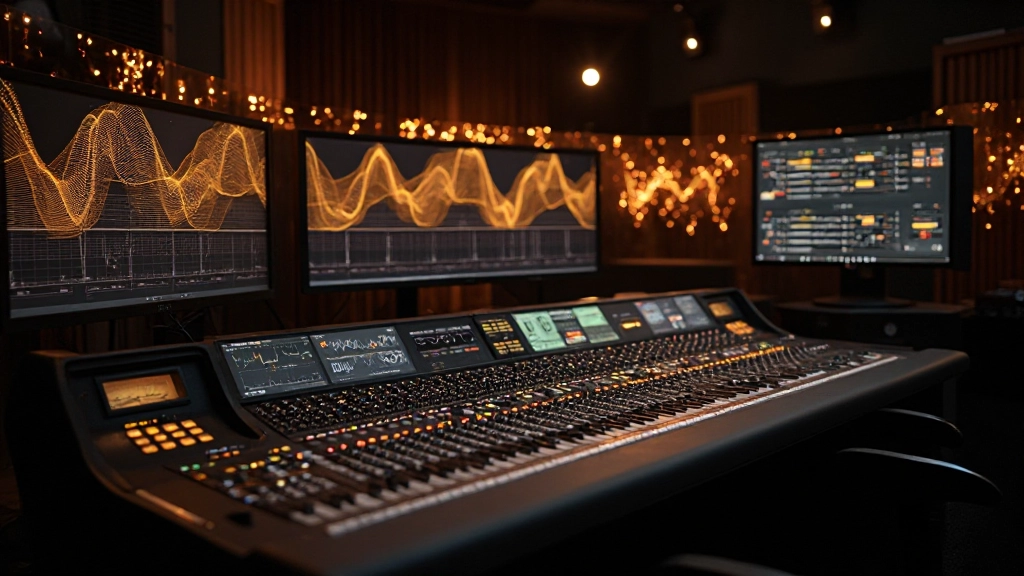
The mixing board hummed quietly as Vernon watched the AI analysis cascade across his secondary monitor. After twenty-three years behind the console, he never thought he'd be learning new tricks from algorithms. But here he was, watching machine learning dissect frequency buildup in ways that would have taken him hours to identify manually.
When Algorithms Meet Artistry
Three months ago, Vernon's workflow looked entirely different. Every mix decision came from his ears, his experience, and countless hours of A/B testing. Today, he's developed a hybrid approach that combines AI-powered analysis with traditional engineering instincts. The result? Mixes that translate better across playback systems while maintaining the organic character that defines his signature sound.
The transformation didn't happen overnight. Like many seasoned engineers, Vernon initially resisted AI integration, viewing it as a threat to the craft he'd spent decades perfecting. That changed when producer Bethany Chen brought him a track with persistent low-end issues that defied his usual troubleshooting methods.
The Track That Changed Everything
The song was deceptively simple: bass guitar, kick drum, and a Moog sub-bass line that provided harmonic foundation. On paper, the arrangement should have worked perfectly. In practice, the low end sounded like concrete mixing in a washing machine. Traditional EQ moves only shifted the problem around, never solving it.
Bethany suggested trying an AI-powered spectral analysis plugin she'd been experimenting with. Within minutes, the software identified three distinct frequency collision points where the bass elements were creating destructive interference. More importantly, it suggested surgical EQ moves that preserved each instrument's fundamental character while eliminating the conflicts.
Building Your Hybrid Mix Workflow
The key to successful AI integration isn't replacing human judgment but augmenting it. Modern AI tools excel at pattern recognition and mathematical analysis, while human ears provide musical context and emotional intelligence. The sweet spot lies in combining both approaches strategically.
Phase One: The Analytical Foundation
Start each mix session with AI-powered analysis to identify potential trouble spots before they become problems. This preliminary scan reveals frequency masking, phase issues, and stereo imbalances that might take hours to discover through traditional methods.
- Load your rough mix into a spectral analysis tool with AI capabilities
- Generate a full-spectrum report highlighting potential conflicts
- Identify the three most significant issues flagged by the analysis
- Use this data as a roadmap, not a rulebook, for your mixing decisions
Remember that AI analysis provides information, not instructions. A frequency conflict might be intentional creative choice rather than a technical problem. Your musical judgment determines which recommendations to implement.
Phase Two: Intelligent Problem-Solving
Once you've identified areas of concern, AI tools can suggest specific solutions while you maintain creative control over implementation. This collaborative approach speeds up the technical problem-solving process, leaving more time for artistic decisions.
| Issue Type | AI Strength | Human Oversight |
|---|---|---|
| Frequency Masking | Identifies exact conflict points | Decides which element gets priority |
| Phase Cancellation | Calculates precise timing adjustments | Evaluates musical impact of changes |
| Stereo Width Issues | Maps spatial distribution problems | Determines desired stereo aesthetic |
| Dynamic Range | Measures compression artifacts | Balances technical specs with vibe |
Real-World Application: The Bethany Chen Session
Back in Vernon's studio, the AI analysis revealed something unexpected about that problematic low end. The issue wasn't traditional frequency overlap but rather a subtle phase relationship between the DI bass signal and the mic'd bass cabinet. The two signals were perfectly in phase at the fundamental frequency but gradually shifted out of phase as they moved up the harmonic spectrum.
Traditional phase alignment tools focus on broad phase relationships, missing these frequency-dependent variations. The AI algorithm detected the gradual phase shift and suggested a frequency-dependent delay correction that would have been nearly impossible to achieve manually.
The Implementation Process
Vernon applied the AI's suggested phase correction using a multiband delay plugin, adjusting different frequency ranges by microsecond amounts. The transformation was immediate and dramatic. The low end went from muddy and undefined to tight and punchy, while maintaining the organic interaction between the bass elements.
But the real revelation came next. Bethany suggested using AI-powered masking detection to optimize the entire mix. The algorithm identified subtle conflicts between the lead vocal and rhythm guitar that were reducing clarity without being obviously audible. By making tiny EQ adjustments suggested by the AI, Vernon was able to create space for the vocal without changing the guitar's essential tone.
Advanced Techniques: Beyond Basic Analysis
As Vernon's comfort with AI tools grew, he began exploring more sophisticated applications. Modern machine learning algorithms can analyze reference tracks and suggest mix adjustments that move your song toward a similar sonic signature while preserving its unique characteristics.
Reference Track Analysis
This technique involves feeding the AI a professionally mixed reference track in a similar style, then having it analyze the differences between your mix and the reference. The algorithm identifies specific frequency response curves, dynamic characteristics, and stereo placement patterns that differentiate professional mixes from amateur ones.
- Load your mix and reference track into the AI analysis tool
- Generate comparative spectral analysis showing frequency differences
- Review suggested EQ curves and dynamic adjustments
- Implement changes gradually while monitoring musical impact
- A/B test each adjustment to ensure improvement rather than imitation
Intelligent Automation
Perhaps the most powerful application involves AI-assisted automation. Modern algorithms can analyze vocal performances and suggest automation curves that enhance natural dynamics while maintaining consistency. This isn't about replacing manual automation but rather providing a intelligent starting point that saves hours of detailed editing.
Vernon discovered this capability while working on a particularly dynamic vocal performance. The singer's natural volume variations were musically expressive but created intelligibility issues in the dense arrangement. Traditional compression would have flattened the performance's emotional peaks, while manual automation would have required painstaking phrase-by-phrase adjustment.
The Creative Collaboration Model
The most successful AI integration treats the technology as a creative collaborator rather than a replacement for human judgment. The algorithm brings computational power and pattern recognition capabilities, while the engineer provides musical context, aesthetic judgment, and creative vision.
"AI doesn't make mixing decisions - it makes mixing decisions possible. The difference is profound."
Maintaining Creative Control
The key to successful AI integration lies in maintaining clear boundaries between analytical input and creative output. Use AI analysis to identify technical issues and potential solutions, but always filter recommendations through your musical judgment and aesthetic goals.
Vernon developed a three-step verification process for AI recommendations: technical validity, musical appropriateness, and aesthetic alignment. A suggestion might be technically perfect but musically destructive. The algorithm might identify a frequency buildup that contributes to the track's aggressive character, or suggest stereo adjustments that diminish desired intimacy.
Practical Implementation Strategies
Starting your hybrid workflow doesn't require expensive software or complete workflow overhaul. Many DAWs now include basic AI-powered analysis tools, and several affordable third-party options provide sophisticated spectral analysis and mix comparison capabilities.
Building Your AI Toolkit
Begin with spectral analysis and reference comparison tools, then gradually add more sophisticated capabilities as your comfort level increases. Focus on tools that provide clear visual feedback and allow manual override of all suggestions.
Workflow Integration Tips
Integrate AI analysis at specific points in your mixing process rather than running continuous analysis that might create information overload. Vernon runs preliminary analysis during initial track evaluation, targeted analysis when addressing specific problems, and final analysis before mix completion.
This structured approach prevents AI recommendations from overwhelming creative decision-making while ensuring technical issues don't slip through unnoticed. The goal is enhanced efficiency and improved technical quality without sacrificing musical spontaneity.
The Future of Hybrid Mixing
As AI technology continues evolving, the collaboration between human creativity and machine intelligence will become increasingly sophisticated. Future algorithms will likely understand musical context better, providing suggestions that consider genre conventions, arrangement dynamics, and emotional content alongside pure technical analysis.
Vernon's experience suggests the future isn't about AI replacing mixing engineers but about creating more powerful tools for musical expression. The combination of human intuition and algorithmic precision opens possibilities that neither approach could achieve alone.
The transformation from swampy low-end to tight punch isn't just about better technology - it's about evolving our approach to the ancient art of mixing music. By embracing AI as a collaborative partner while maintaining our role as creative decision-makers, we can achieve technical excellence without sacrificing the human soul that makes music meaningful.
Hear what these choices do to your own song.
Upload stems or a finished track, choose a reference direction, and compare a private Moozix mix before you export anything.