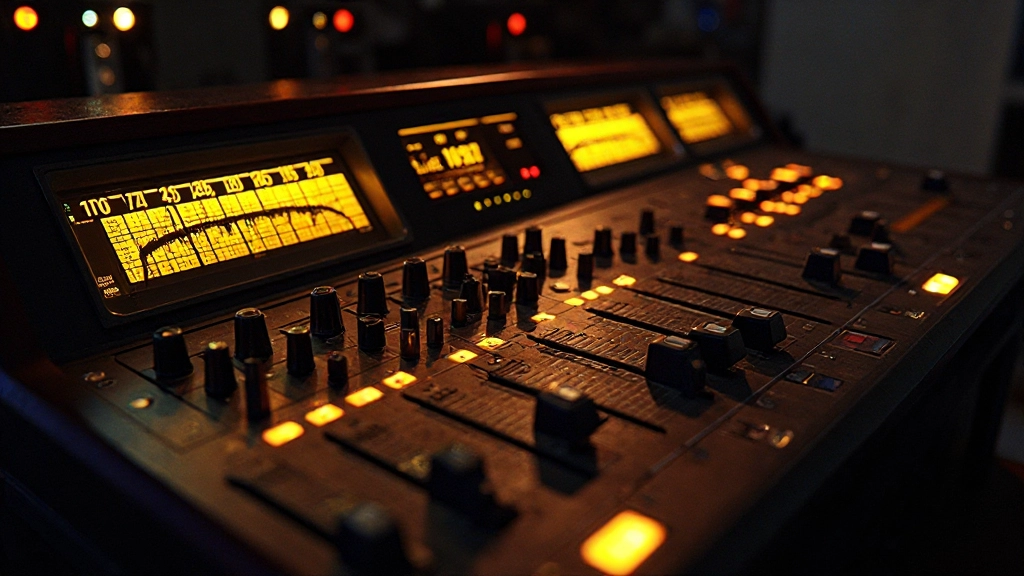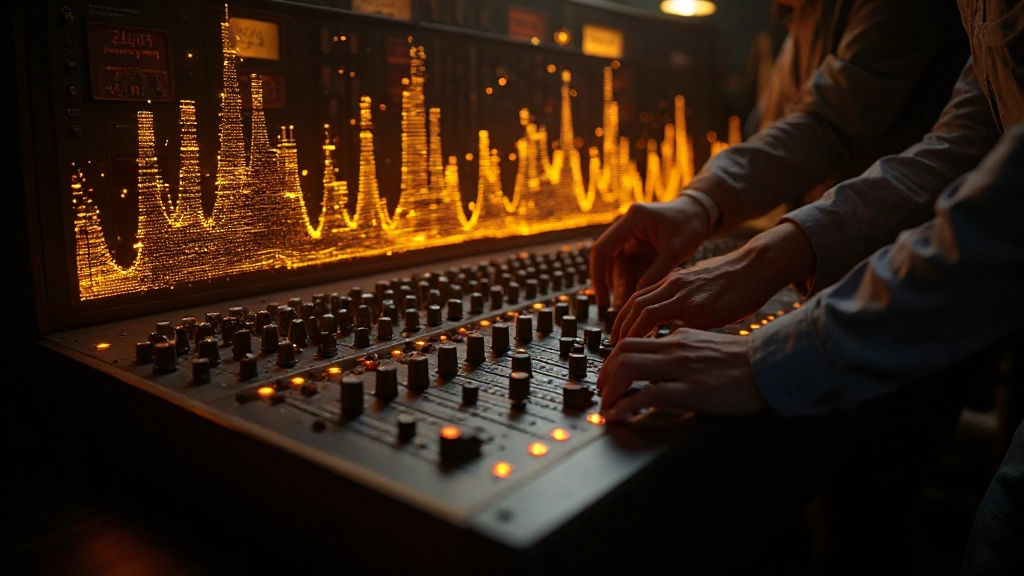
Derek watched the veteran engineer reach past the obvious high-frequency boost and twist a knob he'd never noticed before. Suddenly, the vocal floated above the mix with crystalline clarity, but without the ice-pick harshness that had plagued every attempt at adding air to his recordings.
When Brightness Becomes Your Enemy
Three years into building my home studio, I thought I understood presence. Crank the 10kHz shelf, maybe add some harmonic excitement around 8kHz, and watch the magic happen. Except it never did. My mixes sounded like someone had sprinkled broken glass across the stereo field.
The breakthrough came during a session at Westlake Studios, watching engineer Patricia Chen work on a folk album. The artist wanted the vocals to "sparkle" without losing the intimate, warm character that made the performance special. Patricia's approach changed everything I thought I knew about adding presence.
The Harsh Reality of Home Studio High-End
Most bedroom producers chase the same frequency ranges when seeking presence: the 8-12kHz zone where cymbals crash and consonants cut. But here's what years of session work taught me: brightness and presence are not synonyms. Brightness lives in the upper frequencies. Presence lives in the spaces between them.
Patricia showed me something that transformed my mixing philosophy. She bypassed the obvious high shelf and instead carved precise notches around 6.5kHz and 9.2kHz. "We're not adding frequencies," she explained, "we're removing the ones that mask what's already beautiful."
The Science Behind Non-Harsh Presence
Understanding why harsh frequencies sabotage our mixes requires looking at how human hearing processes complex audio information. Our ears are most sensitive to frequencies between 2-5kHz, the range where speech intelligibility lives. But presence -- that quality that makes sounds feel immediate and three-dimensional -- actually emerges from how frequencies interact across the entire spectrum.
Frequency Masking: The Hidden Culprit
When engineer Tommy Ricard explained frequency masking during a Nashville session, he used a simple analogy: "Imagine trying to see stars during the day. The stars are still there, but the sun overpowers them. Same thing happens with presence frequencies when you have energy buildup in competing ranges."
The most common masking occurs between 600Hz-1.2kHz, where boxy resonances accumulate in home studio recordings. These frequencies don't sound harsh by themselves, but they create a "blanket" effect that suffocates the very presence we're trying to enhance.
| Frequency Range | Masking Effect | Solution Approach |
|---|---|---|
| 400-800Hz | Muddies low-mid clarity | Gentle high-pass filtering |
| 600-1200Hz | Creates boxy resonance | Narrow Q cuts at problem frequencies |
| 2.5-4kHz | Masks vocal presence | Multiband compression with careful ratios |
| 6-8kHz | Harsh consonant buildup | De-essing with frequency-specific settings |
Building Presence Through Strategic Reduction
The counterintuitive truth about presence mixing: subtraction often accomplishes what addition cannot. During a session with indie artist Riley Thompson, we spent two hours trying to make her whispered vocals cut through a dense arrangement. Every additive approach created harshness or artificial character.
The solution came through systematic frequency archaeology -- carefully excavating the natural presence that already existed in the recording.
The Presence Excavation Process
Start with a high-quality parametric EQ and follow this methodical approach:
- Identify the fundamental character -- Solo the element and listen for its natural resonant qualities
- Sweep for boxiness -- Use a narrow Q boost around 600-1200Hz to find frequency buildup
- Carve precisely -- Apply gentle cuts (1-3dB) at identified problem frequencies
- Check for low-mid accumulation -- High-pass filter gradually until the sound becomes thin, then back off
- Address harsh consonants -- Use surgical EQ cuts around 6.5kHz for sibilance control
The key insight: each cut reveals presence that was always there but buried under frequency buildup.
"The mix isn't about what you add -- it's about what you remove to let the natural character emerge."
Advanced Presence Techniques
Once you've mastered subtractive presence, more sophisticated techniques become available. These approaches require careful listening and restraint, but they can transform lifeless recordings into dimensional, engaging mixes.
Mid-Side Presence Sculpting
During a recent pop production with artist Carmen Rodriguez, we discovered that her doubled vocals were fighting for presence in the center channel. Traditional stereo processing couldn't solve the problem without affecting the instrumental balance.
The solution involved mid-side EQ processing focused specifically on the side information. By gently boosting 4-7kHz in the sides while simultaneously cutting those frequencies in the mid channel, we created a sense of width and air without center-channel harshness.
Here's the step-by-step process:
- Insert a mid-side EQ on the vocal bus
- Apply a gentle high shelf boost (1-2dB) around 5kHz to the side channel
- Cut the same frequency range in the mid channel by 0.5-1dB
- A/B test to ensure the vocal maintains center focus
- Fine-tune the frequency ranges based on the specific vocal character
Dynamic Presence Control
Static EQ changes can sound unnatural when presence needs vary throughout a performance. Multiband compression offers a solution, but most home producers use it incorrectly for presence enhancement.
The technique involves setting up a multiband compressor focused specifically on the 3-8kHz range, with gentle ratios (2:1 or less) and slow attack times. This allows natural presence peaks to come through while controlling excessive buildup during loud passages.
Common Presence Mistakes and Solutions
After reviewing hundreds of home studio mixes, certain presence-related mistakes appear consistently. Understanding these pitfalls can save months of frustration.
The Parallel Processing Trap
Many producers attempt to add presence through parallel compression or harmonic excitement. While these techniques have their place, they often create more problems than they solve in the presence frequency range.
The issue is that parallel processing amplifies everything in the signal path, including the masking frequencies we want to reduce. Engineer Marcus Chen explained it perfectly during a masterclass: "You're not just adding presence, you're adding presence plus all the problems that were hiding it."
Reference Monitoring Challenges
Home studios often struggle with presence decisions because of monitoring environment issues. What sounds present on near-field monitors may translate poorly to other playback systems.
The solution involves multiple reference checks:
- Check presence on headphones at low volumes
- Test on earbuds or consumer speakers
- Compare against commercial references in your genre
- Use spectrum analysis to verify frequency balance
Genre-Specific Presence Approaches
Different musical styles require different presence strategies. What works for jazz vocals may destroy a metal performance, and electronic music presence needs differ entirely from acoustic recordings.
Electronic Music Presence
Synthesized sounds often lack the natural harmonic content that creates presence in acoustic recordings. During a session with electronic artist Felix Morrison, we discovered that traditional presence techniques sounded artificial on his heavily processed vocals.
The breakthrough came through harmonic saturation targeted specifically at the 2-4kHz range, combined with subtle chorus effects that widened the stereo image without creating phase problems.
Rock and Metal Considerations
Dense, distorted arrangements create unique presence challenges. The key is creating frequency pockets where important elements can exist without competition.
This often means making dramatic cuts in guitar frequency ranges to create space for vocal presence, rather than trying to boost the vocals above existing frequency buildup.
The Long Game: Training Your Ears
Developing reliable presence judgment takes time and focused practice. The frequency ranges involved are subtle, and the differences between presence and harshness require careful ear training.
Start with daily reference listening sessions. Choose well-mixed commercial tracks in your genre and analyze how they achieve presence without harshness. Use spectrum analysis to see what's happening, but always trust your ears for the final decisions.
Practice Exercises for Presence Recognition
Set up A/B comparisons between your mixes and professional references. Focus specifically on how elements sit in the mix rather than overall tonal balance. Notice how professional mixes create separation and dimension without obvious frequency boosts.
Try the "harsh test": deliberately create harsh presence in a mix, then work backward to find the minimum processing needed for clarity. This reverse approach often reveals more efficient solutions than starting from scratch.
Moving Forward with Confidence
The path from harsh brightness to natural presence requires patience and systematic practice. Each mix teaches something new about frequency interaction and balance.
Remember Derek from the opening story? Six months after that session with Patricia, he sent me a track that perfectly captured what we'd discussed. The vocals floated above a dense pop arrangement with crystalline clarity, but retained all the warmth and character that made the performance special.
His secret wasn't any particular plugin or technique -- it was understanding that presence lives in the spaces between frequencies, not in the frequencies themselves. By approaching mix decisions through careful subtraction rather than aggressive addition, he'd found the balance that had eluded him for years.
The next time you reach for that high-frequency boost, pause and listen first. The presence you're seeking might already be there, waiting to be uncovered through thoughtful frequency sculpting. Sometimes the most powerful mixing move is the one you don't make.
Hear what these choices do to your own song.
Upload stems or a finished track, choose a reference direction, and compare a private Moozix mix before you export anything.