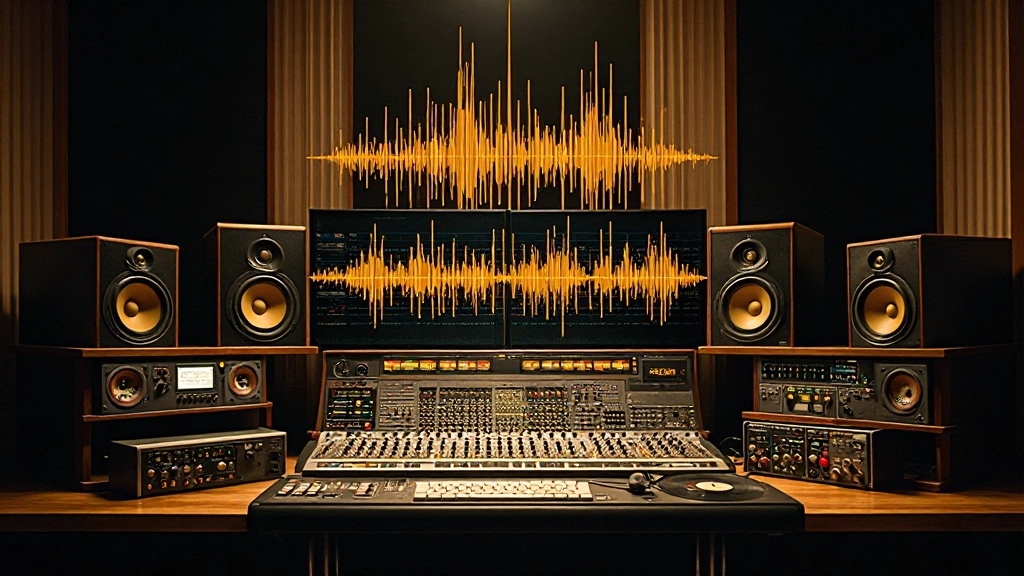
Roger stared at his monitors in disbelief. The Radiohead track that sounded massive in his car felt thin and brittle through his studio speakers. His own mix, which had felt balanced moments before, now sounded muddy and congested by comparison. Sound familiar? This moment of reference track disillusionment happens in studios worldwide, but the solution isn't what most engineers expect.
The Reference Track Illusion That Derails Mix Decisions
Three months into mixing his band's debut EP, Roger hit the wall that stops most home studio engineers cold. His references weren't helping anymore, they were making everything worse. Every professional track he loaded sounded different in his room than it did anywhere else, leaving him chasing ghosts instead of making music.
The breakthrough came during a conversation with mastering engineer Patricia Hawkins, who'd worked on hundreds of records from her Nashville facility. "Stop trying to make your references sound like your references," she told him. "Start making your mix sound like your mix through your references."
That distinction changes everything. Most engineers approach reference mixing backwards, trying to match the sound of professional recordings in their imperfect rooms instead of using those tracks as translation guides for their own work.
Why Your Heroes Sound Wrong in Your Space
Professional recordings were mixed and mastered in treated rooms with calibrated monitoring systems. When you play them through your setup, several factors immediately alter their character:
- Room acoustics: Your space adds its own coloration to everything
- Monitor response: Even great speakers have personality quirks
- Playback level: Fletcher-Munson curves change frequency perception at different volumes
- Source quality: Streaming compression affects how references translate
Rather than fighting these variables, successful engineers learn to work with them. The goal isn't to replicate the reference exactly, but to understand how your mix relates to it within your monitoring environment.
The Mental Shift That Makes References Actually Useful
During a late-night session, Roger tried Patricia's approach. Instead of trying to make his drums sound like the Radiohead track, he focused on how the frequency balance compared. His kick drum was buried compared to the reference, but rather than boosting it to match, he considered whether that worked for his song's energy.
This mindset transformation moves you from imitation to interpretation. Professional references become measurement tools rather than targets to copy.
Building Your Reference Methodology
Effective reference mixing starts with consistent methodology. Choose three to five tracks that represent different aspects of your target sound. For Roger's indie rock project, he selected:
| Reference Track | Focus Element | What to Listen For |
|---|---|---|
| Radiohead - "Everything in Its Right Place" | Vocal treatment | Presence vs. space balance |
| The National - "I Need My Girl" | Low-end weight | Kick/bass relationship |
| Bon Iver - "Perth" | Drum dynamics | Transient punch vs. sustain |
| Arcade Fire - "Ready to Start" | Overall energy | Mix density and movement |
Each reference serves a specific purpose rather than trying to be a complete template. This focused approach prevents the overwhelming "everything sounds wrong" spiral that paralyzes decision-making.
The A/B Method That Actually Teaches You Something
Roger's initial approach involved rapidly switching between his mix and references, trying to match levels and EQ curves in real time. This created more confusion than clarity. Patricia suggested a different workflow that builds understanding gradually.
The Three-Pass Reference System
First pass focuses purely on level relationships. Play your reference, then your mix at matched volumes. Don't analyze frequency content yet, just notice which elements feel prominent or buried relative to each other.
Second pass examines frequency character. Listen to how the low-end sits in the reference, then in your mix. Notice the midrange density. Observe high-frequency sparkle or harshness. Take mental notes without making changes yet.
Third pass considers movement and dynamics. How does the reference breathe? Where does energy build or release? How do effects create space or focus?
"The worst thing you can do is make EQ changes while A/B-ing references. Listen first, understand second, then go mix without the reference playing."
Training Your Ears Through Systematic Comparison
After two weeks of this approach, Roger noticed his ability to hear frequency balance improving dramatically. The key was divorcing the listening phase from the mixing phase. When you try to mix while referencing, you make reactive decisions. When you analyze first, then mix, you make informed decisions.
This separation also prevents the mental fatigue that comes from constantly switching contexts. Your brain needs time to process comparative information before translating it into mix moves.
Common Reference Traps That Sabotage Progress
Even with solid methodology, several pitfalls can derail reference-based mixing. Roger encountered most of them during his learning process.
The Volume Matching Obsession
Many engineers spend excessive time trying to perfectly level-match their references, but small volume differences often reveal important information. If your mix feels quieter than the reference at the same meter reading, that suggests density or compression differences worth exploring.
Similarly, if your mix feels louder, you might be overcompressing or have frequency balance issues creating the illusion of increased volume.
The Wrong Genre Problem
Roger initially chose references based on songs he loved rather than production styles that served his project. Using jazz references for rock mixing, or lo-fi hip-hop references for pop vocals, creates confusion rather than guidance.
Effective references share sonic DNA with your target, even if they're not identical stylistically. A folk song can inform an indie rock mix if the vocal treatment and instrumental balance align with your vision.
Building Mix Translation Through Strategic Listening
The ultimate goal of reference mixing isn't copying professional records, but ensuring your work translates across different playback systems. Roger learned this lesson when his carefully referenced mix sounded great in his studio but fell apart in his car.
The Translation Test Workflow
After implementing reference-guided changes, test your mix on multiple systems before making additional adjustments. Roger developed a simple rotation:
- Studio monitors: Detail and precision work
- Headphones: Stereo field and frequency balance
- Phone speakers: Midrange translation and vocal clarity
- Car stereo: Low-end weight and overall impact
Each system reveals different aspects of your mix's translation. Phone speakers expose midrange problems that studio monitors might mask. Car systems show whether your low-end translates to bass-heavy playback environments.
When References Stop Helping
There comes a point in every mix where references become counterproductive. Roger hit this wall during the final stages of his title track, where comparing to other material started second-guessing solid decisions.
Experienced engineers recognize this transition point. When your mix serves the song and translates well across systems, references shift from guidance tools to distraction sources. Trust your ears and the work you've done.
Making It Stick: Reference Habits That Build Better Ears
Six months later, Roger's approach to references had evolved from desperate comparison sessions to systematic ear training. He'd developed habits that improved not just individual mixes, but his overall listening skills.
The Weekly Reference Ritual
Every week, Roger spent 30 minutes listening to new potential references in his studio, taking notes on how they sounded through his monitoring setup. This built familiarity with how professional material translated in his space, creating mental templates for future mixing decisions.
He also revisited previous references periodically, noticing how his perception changed as his room treatment and monitoring improved. This longitudinal approach revealed how technical improvements affected his ability to use references effectively.
| Time Investment | Activity | Benefit |
|---|---|---|
| 10 minutes daily | Critical listening to one reference track | Ear training and familiarity |
| 30 minutes weekly | Testing new potential references | Expanding sonic vocabulary |
| 1 hour monthly | Analyzing successful mix translations | Understanding what works |
The Confidence Factor
Perhaps most importantly, systematic reference use built Roger's confidence as a mixer. Instead of second-guessing every decision, he developed trust in his comparative listening skills. When a mix felt balanced relative to his references and translated well across systems, he could commit to creative choices without endless revision cycles.
This confidence came from understanding references as tools rather than rules. They informed his decisions without constraining his creativity, supporting his artistic vision rather than replacing it.
Moving Beyond the Reference Safety Net
A year into his new approach, Roger found himself relying less heavily on references while mixing, using them primarily for final translation checks. His ears had internalized the frequency relationships and dynamic patterns that made professional recordings work in his space.
This evolution represents the ultimate goal of reference-based mixing: developing internalized standards that guide mix decisions without constant external comparison. The references become part of your musical vocabulary rather than crutches for decision-making.
Patricia's advice proved prophetic. By learning to make his mixes work through references rather than copying them, Roger developed the skills to create recordings that served his artistic vision while translating professionally across playback systems. The free transform wasn't a technique or plugin setting, but a fundamental shift in how he approached comparative listening.
Your references aren't showing you what to do, they're teaching you how to hear. Once you understand that distinction, every mix session becomes an opportunity to develop your ears rather than chase someone else's sound. The professional quality you're seeking isn't in copying the references, it's in learning to mix as confidently as the engineers who created them.
Hear what these choices do to your own song.
Upload stems or a finished track, choose a reference direction, and compare a private Moozix mix before you export anything.