Three years ago, I watched Bethany crash and burn after spending $2,000 on Spotify playlist placements that netted her exactly 47 new followers and zero meaningful connections. Her indie folk album deserved better, but she'd fallen into the same trap that catches most independent musicians: believing that discovery happens to you, not because of you.
That failure became her turning point. Today, Bethany's music reaches thousands of engaged listeners who actually buy her albums, attend her shows, and recommend her to friends. She didn't crack some algorithmic code or land a major label deal. Instead, she built something more valuable and sustainable: her own music discovery network.
Why Algorithms Aren't Your Answer
The brutal math of streaming discovery makes this clear. Spotify receives over 100,000 new tracks every single day. Even if your song is genuinely great, the odds of algorithmic discovery are microscopic. Meanwhile, you're competing not just with other independent artists, but with major labels spending millions on playlist placement and promotional campaigns.
But here's what those labels can't buy: authentic relationships with people who genuinely connect with your music. That's where independent artists have a massive advantage, if we're willing to do the work.
The Architecture of Music Discovery
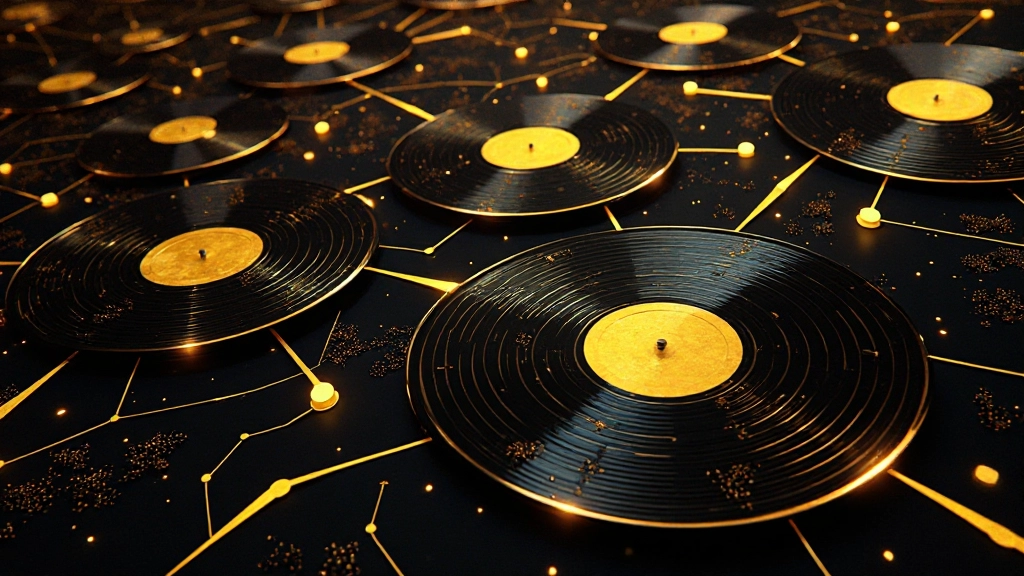
Real music discovery happens through trust networks. Someone whose taste you respect recommends an artist. A venue you follow books a show. A podcast you listen to features a track. These recommendations carry weight because they come from sources you already value.
Your job isn't to insert yourself into existing networks through clever marketing. It's to become a valuable node in the network yourself. This means understanding that discovery flows both ways: you help others discover great music, and they return the favor.
I learned this watching Derek build his electronic music collective in Portland. He started by curating monthly playlists featuring local producers, spending hours finding genuinely great tracks that deserved more attention. He shared these playlists with no expectation of immediate return, just because the music was worth sharing.
Within six months, other producers were reciprocating. Venues started inviting him to curate showcase nights. Music bloggers began reaching out for recommendations. Derek had become a trusted filter in Portland's electronic scene, and his own tracks naturally found their way into the conversation.
Building Your Discovery Hub
The most effective discovery networks start small and focused. Trying to appeal to everyone dilutes your impact. Instead, identify the specific community where your music truly belongs, then become indispensable to that community.
Define Your Musical Ecosystem
Start by mapping the existing discovery infrastructure around your genre and region. Who are the taste-makers? Which venues book artists like you? What podcasts, blogs, or YouTube channels cover your style of music? Where do fans of similar artists gather online and offline?
This isn't market research; it's ecosystem mapping. You're looking for the places where genuine music discovery already happens, so you can understand how to contribute value.
- Identify 10-15 artists whose careers you admire and respect
- List venues within driving distance that book similar artists
- Find podcasts, blogs, and YouTube channels covering your genre
- Locate online communities where your potential fans actually gather
- Note recurring events, showcases, or festivals in your scene
Become a Connector, Not Just a Creator
The most powerful nodes in any discovery network aren't necessarily the most famous artists. They're the people who consistently surface great music and connect artists with opportunities. This is where independent musicians can punch above their weight.
Start curating. Create playlists featuring artists from your scene, write thoughtful social media posts about tracks that move you, or organize showcase events at local venues. The key is consistency and genuine enthusiasm, not self-promotion.
When Meredith started her "Thursday Night Discoveries" series on Instagram Stories, she featured one emerging folk artist each week with a short audio clip and explanation of why their music mattered. She never featured herself in the first three months, focusing entirely on elevating others.
The result? Folk artists started sending her their new releases directly. Venue owners began asking for her recommendations when booking lineups. Music bloggers subscribed to her stories for discovery ideas. By the time she did feature her own music, she had built an audience of people who trusted her taste and wanted to support her work.
The Reciprocity Engine
Sustainable discovery networks run on reciprocity, but not the quid pro quo kind that feels transactional. Real reciprocity happens when you create so much value for others that supporting you becomes natural, not obligatory.
The Five-to-One Ratio
For every piece of content or communication about your own music, share five things that promote or support other artists in your ecosystem. This might seem like a lot, but it's what transforms you from another musician seeking attention into someone whose recommendations people actively seek out.
This doesn't mean posting random links. Thoughtful curation takes work. Listen critically, write meaningful descriptions, and share music that genuinely excites you. Your audience will quickly learn whether your recommendations are worth their time.
| Weak Sharing | Strong Sharing |
|---|---|
| "Check out this cool track" | "The way Jenny layers harmonies in this bridge reminds me why I fell in love with folk music" |
| Reposting without commentary | Adding personal context about why the music matters |
| Sharing only when asked | Proactive curation on a consistent schedule |
| Generic praise | Specific musical details that show deep listening |
Cross-Pollination Strategies
The most effective discovery networks connect different scenes and communities. Look for opportunities to introduce artists from one community to audiences in another, or to bridge generational gaps within your genre.
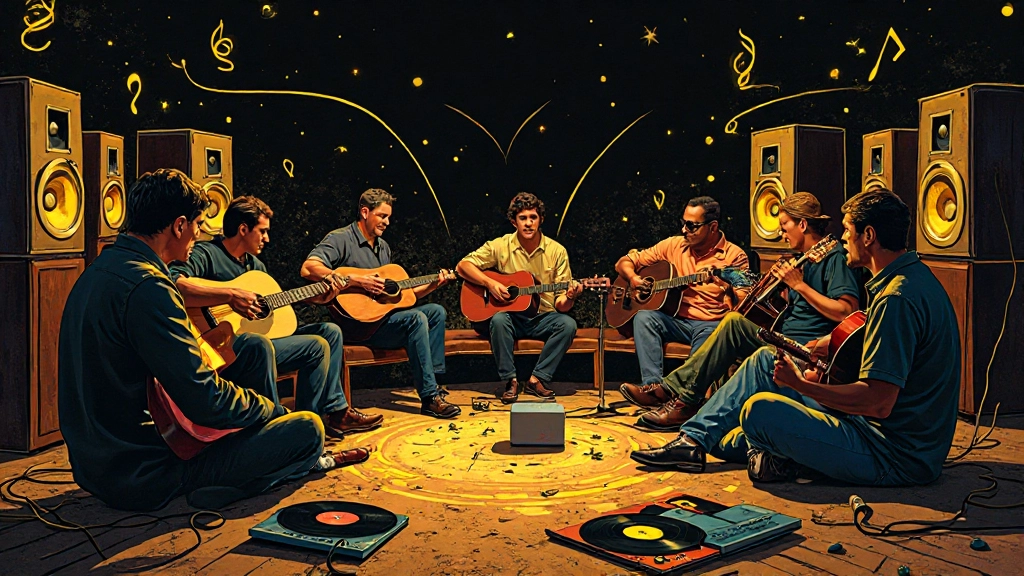
I watched this happen beautifully when Carlos, a jazz guitarist, started hosting monthly "listening parties" where he'd invite musicians from different genres to share three tracks that influenced their playing. Rock guitarists discovered bebop masters, electronic producers found inspiration in free jazz, and folk singers connected with fusion classics.
These events weren't performances; they were discovery sessions. But they created deep connections between artists who never would have crossed paths otherwise. When Carlos released his own album blending jazz with electronic elements, he had an audience spanning multiple scenes who were genuinely excited to hear how he'd synthesized his influences.
Building Sustainable Momentum
The difference between a discovery network and a promotional campaign is sustainability. Networks compound over time, growing stronger with each genuine connection. But they require consistent nurturing, not just bursts of activity around your own releases.
The Long Game Strategy
Plan your network building in seasons, not sprints. Dedicate specific time each week to discovering new music, connecting with other artists, and sharing what excites you. This becomes part of your creative practice, not something you do only when promoting a release.
Track your efforts, but measure the right things. Don't count followers or streams in the short term. Instead, notice whether other artists start reaching out to collaborate, whether venues begin contacting you about shows, or whether music writers start asking for your recommendations.
Scaling Without Losing Authenticity
As your network grows, the temptation is to automate or systematize your curation efforts. Resist this urge. The power of your recommendations comes from the fact that a real human with genuine taste stands behind them.
Instead of scaling through automation, scale through collaboration. Invite other trusted artists to contribute to your playlists or events. Create opportunities for multiple voices while maintaining the quality standards that made your curation valuable in the first place.
When the Network Pays Forward
Six months after Bethany started her "Small Town Sounds" newsletter featuring rural folk artists, something shifted. Instead of pitching her music to gatekeepers, gatekeepers started reaching out to her. A booking agent subscribed to her newsletter asked if she was touring. A music supervisor discovered her through an artist she'd featured who recommended her work.
The network she'd built to help others discover great music had become the vehicle for her own discovery. But more importantly, it had connected her with listeners who genuinely loved what she was creating, not just people who'd stumbled across her tracks algorithmically.
This is what sustainable music careers look like in an oversaturated market. Not viral moments or playlist placements, but genuine relationships with people who understand and value your artistic vision. The quiet work of building these networks might not generate immediate streams, but it creates something more valuable: a foundation for a lifetime of meaningful musical connections.
Your music deserves to find its people. But in a world of infinite choice, those people need a trusted guide to help them discover what they're looking for. Sometimes, the best way to be discovered is to become the discoverer others rely on.
Hear what these choices do to your own song.
Upload stems or a finished track, choose a reference direction, and compare a private Moozix mix before you export anything.