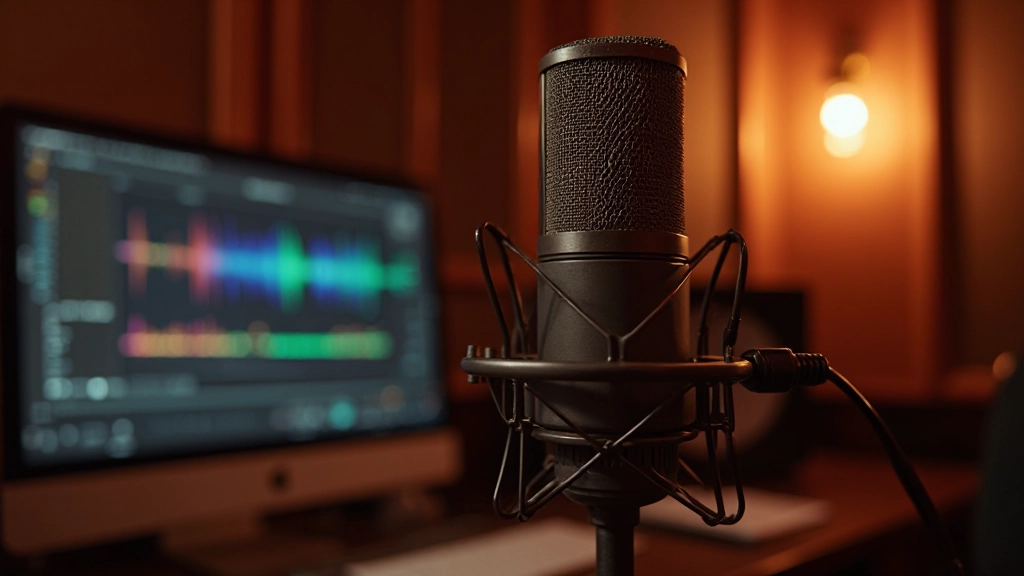
Sarah stared at her DAW screen, eight vocal takes stacked like pancakes, each one containing moments of brilliance buried among pitch wobbles and timing hiccups. After three hours of recording, she had everything she needed for a perfect vocal — it just wasn't all in one take.
This scenario plays out in home studios worldwide every day. The magic isn't in capturing that mythical "perfect take" in one go. It's in the art of comping — combining the best moments from multiple recordings into a single, seamless performance that sounds effortless.
The Psychology Behind Multiple Takes
Marcus, a session vocalist I've worked with for years, once told me something that changed how I approach vocal comping: "Every take teaches the singer something new about the song." He's right. The first take might nail the emotion but miss some pitches. The third take could have perfect technique but feel sterile. The sixth take often contains that one magical phrase that makes the whole song come alive.
Understanding this psychology helps you coach better performances and comp more effectively. When singers know they're building toward a composite vocal rather than hunting for one perfect pass, they relax. They take creative risks. They focus on different aspects of the performance across takes rather than trying to nail everything simultaneously.
Setting Up Your Comping Workflow
The technical setup for effective vocal comping starts before you press record. Create a template that includes at least six vocal tracks, each with identical processing chains. Color-code them — I use a gradient from cool blues for early takes to warm oranges for later ones. This visual system helps you navigate quickly during editing.
Most DAWs offer dedicated comping features, but the principles remain the same whether you're using Pro Tools' playlists, Logic's take folders, or Reaper's lane comping. The key is consistent gain staging across all takes. Use your interface's direct monitoring or a dedicated cue mix to ensure the vocalist hears the same balance every time.
| DAW | Comping Feature | Best For |
|---|---|---|
| Pro Tools | Playlists | Professional sessions with multiple singers |
| Logic Pro | Take Folder | Quick comping with automatic crossfades |
| Reaper | Lane Comping | Complex arrangements with timing flexibility |
| Studio One | Comp Tool | Visual waveform-based editing |
The Three-Listen Method
Before touching any fades or making any cuts, listen to all your takes using this systematic approach. First, listen for pitch accuracy without watching the screen. Trust your ears — they'll catch subtle intonation issues that pitch correction can't fix naturally. Second, listen for rhythmic feel while watching the waveforms. Look for takes where the vocal sits in the pocket with the band. Third, listen for emotional authenticity. This is subjective but crucial — the take that gives you goosebumps usually gives the listener goosebumps too.
I learned this method from engineer Tom Elmhirst during a session in Nashville. He'd play each take in full, eyes closed, making notes on a legal pad. "The technical stuff you can fix," he said. "The feeling — that's either there or it's not."
Strategic Phrase Selection
Effective comping isn't about finding the "best" parts — it's about finding parts that work together. A perfectly pitched phrase might not work if it doesn't match the energy level of the surrounding material. Think like a film editor: every cut must serve the story.
Start with phrases rather than individual words. Vocals breathe in phrases, and cutting mid-phrase often sounds unnatural even with perfect crossfades. Mark your comp boundaries at natural breath points, consonant endings, or instrumental breaks.
- Map the song structure first — verse sections need consistency, while choruses can handle more energy variation
- Choose your anchor phrases — identify 2-3 phrases that absolutely nail the song's emotion
- Build around the anchors — select surrounding phrases that complement your anchor moments
- Check for narrative coherence — the emotional arc should make sense from start to finish
The Energy Matching Game
During a recent session with indie artist Riley Chen, we faced a common comping challenge: her best technical take felt emotionally flat, while her most passionate take had pitch issues. The solution wasn't choosing one or the other — it was mapping the emotional energy across all takes and building a composite that maintained authenticity.
Riley's breakthrough moment came in take five during the bridge. Her voice cracked slightly on a high note, but the vulnerability in that crack was exactly what the song needed. We kept the crack, used subtle pitch correction on the notes around it, and selected supporting phrases from other takes that matched that vulnerable energy.
Crossfade Craftsmanship
The secret to invisible comping lies in crossfade placement and duration. Most home studio enthusiasts make their crossfades too short, creating audible clicks and pops. Others make them too long, causing phase cancellation that makes the vocal sound hollow.
The ideal crossfade duration depends on the content. Sustained vowels can handle longer crossfades (20-50ms), while percussive consonants need quick transitions (5-15ms). When crossing between takes with different timing, place the crossfade center at the rhythmically stronger take's timing.
Advanced Crossfade Techniques
Sometimes standard crossfades aren't enough. When dealing with significant timing or pitch differences between takes, try these advanced techniques:
- Breathing room cuts: Use silence between phrases to hide dramatic changes between takes
- Instrumental mask cuts: Place edit points under drum hits or instrumental flourishes
- Double-up phrases: Blend two takes of the same phrase at low levels for thickness
- Spectral gap editing: Use different takes for different frequency ranges of the same phrase
Maintaining Natural Vibrato and Timing
One telltale sign of amateur comping is inconsistent vibrato between phrases. Every singer's vibrato has a unique speed and depth that changes with pitch and emotion. When comping, pay attention to these natural variations and avoid jarring contrasts.
I once worked on a country ballad where the artist's vibrato was completely different between her first take (nervous, fast vibrato) and her fourth take (relaxed, slower vibrato). Mixing them randomly created an obvious patchwork effect. The solution was organizing takes by emotional state — keeping the intimate verses from the relaxed takes and the powerful chorus moments from the more intense early takes.
Rhythmic Consistency Across Takes
Timing variations between takes can destroy a vocal's groove. Before comping, analyze the rhythmic feel of each take. Some singers rush when they're excited, others drag when they're thinking too hard about pitch. Choose your primary take based on the best overall timing, then match other takes to its rhythmic feel.
Modern DAWs offer powerful timing correction tools, but use them sparingly. A vocal that's perfectly quantized to the grid often sounds lifeless. Instead, identify the take with the best natural timing and use it as a reference for subtle adjustments to other takes.
Processing the Composite Vocal
Once your comp is complete, it needs cohesive processing to sound like a single performance. This is where many home studio engineers stumble — they apply the same preset compression and EQ to the entire comp, ignoring the fact that different takes might need different treatment.
Start with gentle, broad-stroke processing that affects the entire vocal equally: a high-pass filter, subtle compression for consistency, and gentle EQ moves for tone. Then address problem areas with clip-based processing — separate EQ and compression settings for phrases that need special attention.
"The best comped vocal sounds like it happened in one take. If the listener can hear the edits, you're not done editing yet."
Multi-platinum engineer Manny Marroquin
Automation for Seamless Integration
Even with perfect crossfades, comped vocals often need automation to maintain consistent presence in the mix. Different takes were likely recorded with slight variations in mic distance, room acoustics, or vocal intensity. Use volume automation to smooth these transitions, but be subtle — dramatic level changes will highlight your edit points rather than hide them.
Consider automating reverb sends as well. Takes recorded with more vocal intensity might need less reverb to maintain clarity, while intimate phrases might benefit from a longer tail to maintain emotional impact.
Common Comping Mistakes and Quick Fixes
After years of comping vocals for indie artists and major label releases, I've seen the same mistakes repeatedly. Here are the most common issues and their solutions:
The Patchwork Problem: Randomly selecting "good" phrases without considering emotional flow results in a vocal that sounds assembled rather than performed. Fix: Plan your emotional arc before making any edits.
The Crossfade Wobble: Phase cancellation during crossfades creates a hollow, unstable sound. Fix: Zoom in and adjust crossfade timing by 1-2ms increments until the wobble disappears.
The Energy Mismatch: Combining a passionate verse take with a subdued chorus take creates jarring transitions. Fix: Match energy levels first, technical perfection second.
The Over-Comp: Using tiny segments from dozens of takes creates an unnatural, over-edited sound. Fix: Use the longest possible phrases from each take to maintain natural performance flow.
Building Confidence Through Practice
Vocal comping is like learning to drive — it feels impossibly complex until suddenly it becomes intuitive. The key is starting with material that forgives mistakes. Practice on background vocals, vocal doubles, or lower-priority projects before tackling lead vocals for important releases.
Set up practice sessions where you record multiple takes of the same vocal line, then comp them using different strategies. Try comping for pure technical perfection, then comp the same takes prioritizing emotional authenticity. Compare the results and notice how different approaches serve different musical goals.
Remember that even Grammy-winning records use comped vocals. The goal isn't to avoid the technique — it's to master it so thoroughly that it becomes invisible. Every time you successfully merge multiple takes into a single, compelling performance, you're developing both technical skills and musical judgment that will serve every future project.
The magic of vocal comping lies not in perfection, but in possibility. When done right, it allows artists to deliver their most authentic, confident, and emotionally resonant performances — even if those performances happen to be assembled from eight different takes recorded on a Tuesday afternoon in a converted bedroom studio.
Hear what these choices do to your own song.
Upload stems or a finished track, choose a reference direction, and compare a private Moozix mix before you export anything.