The phone rang at 2:47 AM. Trevor, my college roommate turned indie label owner, sounded defeated. "I just spent three grand getting my album mastered, and it sounds worse than my rough mixes. What went wrong?"
I knew exactly what went wrong because I'd made the same mistake two years earlier. Trevor had mixed with a mastering mindset, then tried to master what was already "finished." The result? A sonic disaster that no amount of expensive mastering could fix.
That conversation changed how I approach every project. The difference between mixing and mastering isn't just about tools or timing—it's about fundamentally different ways of thinking about music. One builds the house; the other makes sure people can find the front door.
The Builder vs. The Architect
Picture this: You're renovating a kitchen. The contractor (mixer) is elbow-deep in cabinet installation, plumbing reroutes, and electrical work. Meanwhile, the architect (mastering engineer) is thinking about how the kitchen flows with the rest of the house, how natural light affects the space, and whether guests can navigate from the front door to the dining room without confusion.
Both are essential. Neither can do the other's job effectively.
When I mix, I'm the contractor. I'm solving problems: making the kick drum punch through the wall of guitars, carving space for the vocal in a dense arrangement, creating the illusion that eight different recording sessions happened in the same room. My brain operates in problem-solving mode, constantly asking "What does this song need to feel complete?"
When I master, I become the architect. I step back and ask completely different questions: "How does this song relate to everything around it? What will happen when someone plays this on their car stereo after listening to Taylor Swift? Can the emotional arc of the album survive the transition from streaming to vinyl?"
The Control Room Revelation
I learned this distinction the hard way during a session with producer Janet Rodriguez. We were mixing her band's debut album, and I kept reaching for the stereo bus compressor. "Stop," she said, physically blocking my hand. "You're mastering while you mix."
She was right. I was so focused on how the songs would sound "finished" that I'd forgotten to actually finish mixing them. The individual elements weren't sitting right, but instead of fixing those relationships, I was trying to polish the whole thing into submission.
Janet made me solo every element and explain its role in the song. The bass was fighting the kick for the same frequency space. The rhythm guitar was masking the vocal's presence. The overhead mics were adding more cymbal wash than drum ambiance. These were mixing problems that no amount of mastering finesse could solve.
We spent the next hour just on drum balance—not EQ, not compression, just faders. Getting the relationship between close mics and rooms mics right. Making sure the snare cut through without dominating. Finding the sweet spot where the kick drum felt both powerful and musical.
The Microscope vs. Telescope Approach
When mixing, I work with a microscope. I zoom into individual frequency ranges, analyze specific transient behavior, sculpt the attack characteristics of every drum hit. I'm building the song molecule by molecule.
During mastering, I switch to a telescope. I'm looking at the entire sonic landscape, checking how all the frequencies balance across the spectrum, ensuring the dynamics serve the emotional arc, making sure the stereo image translates to different playback systems.
These require completely different mental states. Mixing demands intense focus on details. Mastering requires stepping back and seeing the forest instead of individual trees.
| Mixing Mindset | Mastering Mindset |
|---|---|
| Problem-solving mode | Quality assessment mode |
| "How do I make this work?" | "Does this communicate clearly?" |
| Creative construction | Translation and optimization |
| Unlimited revision cycles | Preserve existing decisions |
| Individual element focus | Holistic balance focus |
| Additive processing | Subtractive refinement |
Where Most Home Studio Owners Get Confused
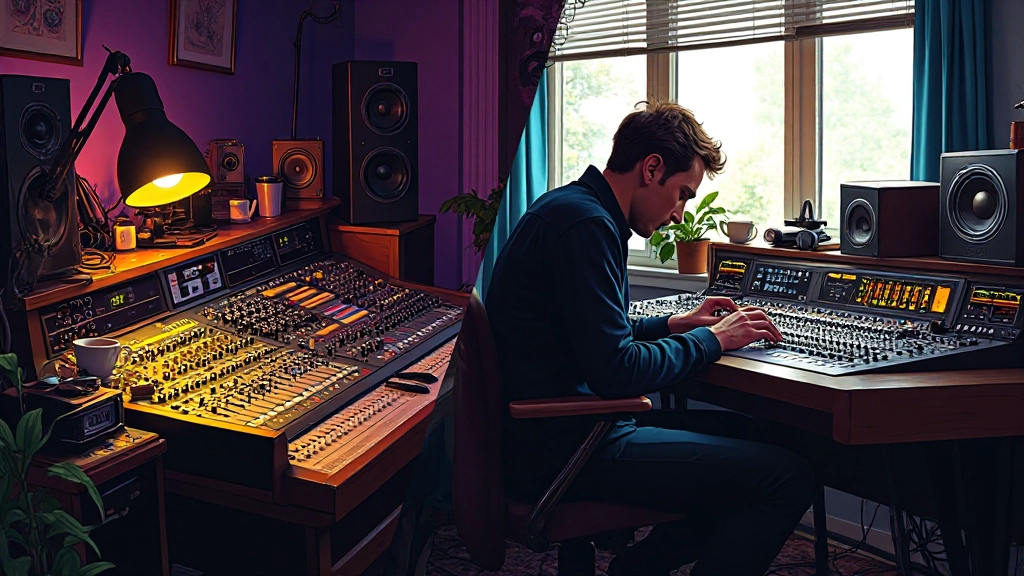
Here's where things get tricky for bedroom producers and home studio enthusiasts: we often wear both hats in the same session. We'll spend two hours perfecting a snare sound (mixing), then immediately jump to stereo bus processing to "make it sound like a record" (mastering). This context switching kills both processes.
I've watched countless producers—including my younger self—fall into this trap. They'll build an amazing mix, then destroy it by trying to master it in the same session, with the same monitoring setup, in the same mental state.
The Fresh Ears Protocol
After that revelation with Janet, I developed a strict protocol for my own projects:
- Mix until it feels complete - not perfect, but musically satisfying
- Bounce a stereo mix and walk away for at least 24 hours
- Listen in different environments - car, headphones, phone speakers
- Approach mastering as a separate project with different goals
- Use different monitoring if possible, or at least different monitor controller settings
This separation isn't just practical—it's psychological. When I return to master a mix I created yesterday, I'm no longer attached to individual mixing decisions. I can hear the song as a listener would, not as the person who spent forty-five minutes automating the hi-hat level.
The Emotional Intelligence Factor
One afternoon, mastering engineer Patricia Chen visited my studio to hear some mixes before we sent them to her facility. She listened to three songs, then asked a question that changed my perspective: "What emotion are you trying to protect in each of these songs?"
I'd been thinking about frequency balance and dynamic range, but she was thinking about emotional communication. The ballad needed intimacy preserved—too much compression would kill the vulnerable feel. The uptempo rocker needed energy maintained—too much limiting would flatten the excitement. The experimental track needed its strangeness intact—too much "fixing" would sanitize what made it special.
This is where mastering mindset differs most from mixing mindset. In mixing, I'm creating emotions through balance, effects, and arrangement choices. In mastering, I'm preserving and translating those emotions so they survive the journey to listeners' ears.
"Mixing is about creating the feeling. Mastering is about protecting it."
The Translation Challenge
Consider how drastically listening contexts vary: someone might hear your song on AirPods while walking through a subway station, then later on studio monitors in a treated room. These environments will emphasize completely different aspects of your mix.
When mixing, I optimize for the best possible listening experience—usually my treated control room with quality monitors. When mastering, I optimize for the most likely listening experience—probably compressed streaming audio on consumer devices in less-than-ideal acoustic environments.
This means making different EQ decisions, different compression choices, different stereo width adjustments. What sounds perfect in mixing context might disappear entirely in mastering context.
The Technical Boundaries
Technically, mixing and mastering also operate with different constraints and goals:
- Mixing works in unlimited dynamic range - peaks can hit wherever they need to
- Mastering works within delivery specifications - specific LUFS targets, peak limitations, format requirements
- Mixing can fix individual problems - replace a snare hit, edit out a string squeak
- Mastering works with what exists - enhance, balance, and optimize the given stereo mix
- Mixing shapes spatial relationships - panning, depth, width can be radically altered
- Mastering preserves spatial decisions - subtle adjustments that maintain the mixer's intent
Understanding these boundaries helps define when to stop mixing and start mastering. If you're trying to fix fundamental balance issues with stereo bus processing, you're probably mastering a mix that isn't ready for mastering.
The Workflow That Actually Works
After years of expensive mistakes and breakthrough moments, here's the workflow that consistently produces better results:
Phase 1: Pure Mixing Mode
Work entirely in "construction" mindset. Focus on making every element serve the song. Use whatever processing is necessary to solve problems and create the intended emotional impact. Don't worry about loudness levels, don't compare to reference tracks, don't think about how it will "sound on the radio."
Monitor at consistent, moderate levels. Make decisions based on balance and musicality, not excitement or fatigue. Trust that a well-balanced mix will translate better than an exciting but unbalanced mix.
Phase 2: The Handoff
Bounce your mix with plenty of headroom—peaks around -6dBFS work well. Include any notes about intended emotional impact, reference tracks that inspired the direction, or specific concerns about translation.
If you're mastering your own material, treat this bounce as if you're sending it to someone else. Don't immediately import it into your mastering chain. Save the session, close the DAW, and step away.
Phase 3: Pure Mastering Mode
Return with fresh ears and a completely different set of questions. How does this song feel as a listening experience? How will it fit into playlists? Does it translate to different systems? Can you follow the lyrics clearly? Does the emotional arc work from beginning to end?
Use reference tracks extensively, but choose them for emotional similarity, not just sonic character. Match the feeling, not just the frequency response.
The Long Game
Learning to think like a mixer when mixing and a mastering engineer when mastering takes time. Your brain wants to jump between both modes, especially when you're working alone in a home studio.
But the investment pays off. Songs that respect this boundary between creation and translation consistently sound more professional, translate better across playback systems, and communicate more clearly with listeners.
Trevor's next album, mixed and mastered with proper mindset separation, landed sync placements in two independent films. The difference wasn't just technical—it was psychological. He'd learned to build the house completely before worrying about the landscaping.
The mixing and mastering mindset difference might seem subtle, but it's the foundation that separates bedroom demos from broadcast-ready masters. Master this mental shift, and you'll hear the improvement in everything you touch.
Hear what these choices do to your own song.
Upload stems or a finished track, choose a reference direction, and compare a private Moozix mix before you export anything.