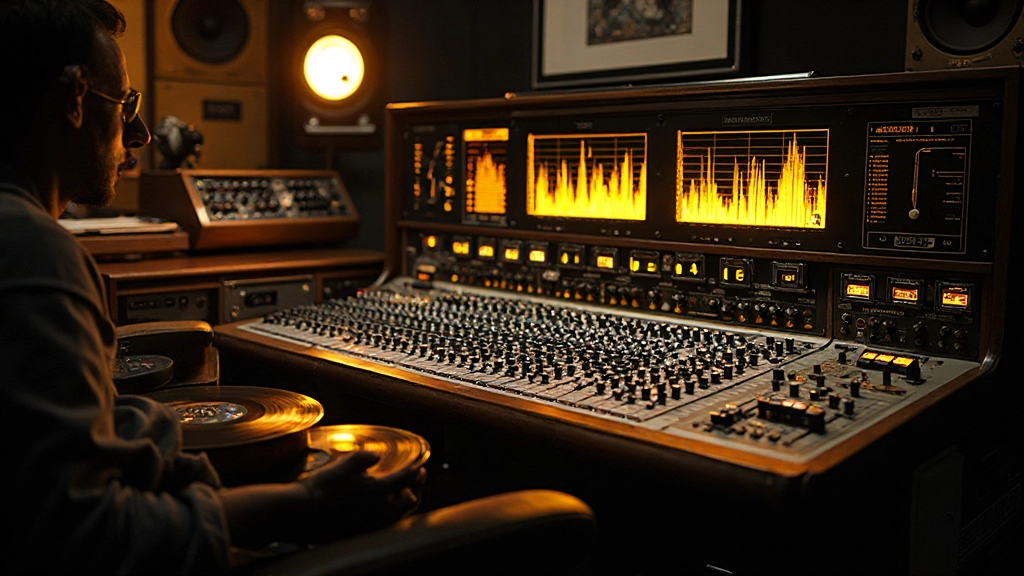
The mixing board was cluttered with thirty-seven plugins when Dustin finally called me into the control room. "I've been tweaking this for six hours," he said, scrolling through endless EQ curves and compressor settings. "It still sounds like mud." What happened next changed how both of us approach every mix session.
I muted everything except the kick and snare. Then I asked one question that mastering engineers ask themselves constantly: "If this landed on my desk tomorrow for mastering, what would I immediately want to fix?" The answer was obvious once we heard it in isolation. The kick had three different EQs fighting each other, and the snare was being compressed by four separate processors in series.
That moment taught us both something crucial about the difference between mixing and mastering mindsets. Mixers often add processing to solve problems. Mastering engineers prevent problems by thinking holistically about frequency balance and dynamics from the beginning.
Why Mastering Engineers Think Differently About Processing
Walk into any professional mastering suite and you'll notice something immediately: the signal chain is remarkably simple. Maybe a few high-end EQs, a compressor or two, and a limiter. That's often it. These engineers aren't working with fewer tools because they have smaller budgets. They're working with fewer tools because they understand something fundamental about audio processing that many mixers miss.
Every piece of processing adds artifacts. Even the cleanest digital EQ introduces phase shifts. Even transparent compression changes transient response. When you chain multiple processors together, these artifacts compound in ways that become impossible to undo later.
I learned this lesson working with Rachel, a mastering engineer who regularly handles major label releases. She showed me two versions of the same mix: one processed with her typical mastering chain, and another where she tried to "fix" an over-processed mix from a client. "Listen to the difference," she said. "The first one breathes. The second one fights itself."
The over-processed mix had already been EQ'd, compressed, and limited multiple times during mixing. When Rachel added her mastering processing on top, the cumulative effect created a sense of strain that no amount of skilled processing could eliminate. The mix that started clean required minimal mastering processing and retained all its original dynamics and clarity.
The Frequency Allocation Mindset
Instead of thinking "How can I make this snare punchier?" mastering engineers think "Where does this snare live in the frequency spectrum, and what else is competing for that space?" This perspective shift changes everything about how you approach processing decisions.
When you adopt this mindset during mixing, you start making subtraction-based EQ decisions instead of addition-based ones. Rather than boosting the snare at 3kHz to add presence, you might cut the guitar at 3kHz to make space for the snare's natural presence to come through.
| Mixing Approach | Mastering Approach | Result |
|---|---|---|
| Boost snare at 3kHz | Cut competing elements at 3kHz | Cleaner frequency spectrum |
| Compress each drum separately | Shape drum room sound as unit | Natural cohesion |
| Add multiple reverbs | Choose one space, commit to it | Coherent spatial image |
| Layer multiple bass sources | Find one bass source that works | Focused low-end |
This approach requires more decision-making upfront but results in mixes that need less corrective processing later. You're essentially pre-mastering your mix by thinking about how all the elements work together as a complete sonic picture.
Dynamic Range as Creative Tool
One of the biggest differences between mixing and mastering perspectives is how they treat dynamic range. Many mixers compress everything to achieve consistency and presence. Mastering engineers understand that dynamic range itself is a creative tool that can make mixes more engaging and impactful.
"The spaces between the notes are as important as the notes themselves. If you compress out all the spaces, you lose the music."
Tom, mastering engineer with 20+ years of experience
This doesn't mean avoiding compression entirely. It means being more intentional about when and why you compress. Instead of compressing every element to sit consistently in the mix, consider which elements benefit from dynamic variation and which need to be more controlled.
For example, lead vocals often need some compression to maintain intelligibility and presence. But background vocals might sound more natural and spacious with minimal or no compression, allowing them to breathe with the music. Similarly, a bass guitar might need consistent compression to anchor the low end, while tom drums might sound more powerful with their natural attack and decay preserved.
Building Your Mastering Mindset Toolkit
Developing this perspective requires practicing specific listening exercises and workflow changes. Here are the core exercises that have proven most effective for developing mastering-style thinking during mixing sessions:
- The Frequency Inventory Exercise: Before adding any processing to a new track, solo it and identify its primary frequency content. Ask yourself where this element needs to live in the final mix and what might compete with it.
- The Subtraction Challenge: For every boost you want to make, try achieving the same result with a cut somewhere else first. This forces you to think about frequency relationships rather than individual elements.
- The Dynamics Audit: Every 30 minutes during mixing, listen to your entire mix and identify which elements are fighting for dynamic space. Consider whether some elements would benefit from more dynamic variation.
- The Translation Test: Play your mix through different monitoring systems and identify which frequency ranges are causing problems. Address these issues with cuts rather than trying to compensate with boosts.
When Processing Decisions Compound
The most dramatic demonstration of this principle happened during a session with Jerome, a producer known for his clean, radio-ready mixes. He was struggling with a track that sounded great in his studio but fell apart on different playback systems. We A/B'd his mix against the reference tracks he was trying to match.
The problem became clear when we analyzed the processing chains. Jerome's mix had 47 active plugins across 16 tracks. Each vocal harmony had its own EQ, compressor, and effects chain. The drums were processed with individual track processing, bus processing, and parallel compression. Every guitar layer had multiple stages of EQ and compression.
"What if we treated this more like a mastering session?" I suggested. "What if we could only use five pieces of processing total for the entire mix?"
The exercise was revelatory. Forced to choose only essential processing, Jerome quickly identified which elements really needed adjustment and which were fine on their own. The vocal harmonies sounded better grouped together with one shared EQ curve. The drums gained punch and coherence when processed as a unit rather than individual pieces.
Most importantly, the resulting mix translated beautifully across different playback systems because it had a coherent frequency balance and dynamic range that didn't fight itself.
Practical Implementation Strategies
Making this shift requires changing some fundamental workflow habits. Instead of reaching for processing immediately when something doesn't sound right, develop a diagnostic process that mimics mastering engineering approaches:
- First, check arrangement and balance issues before adding processing
- Use reference tracks to identify frequency balance goals
- Address frequency conflicts with cuts rather than boosts when possible
- Group similar elements and process them together
- Test processing decisions on different monitoring systems immediately
- Commit to processing decisions rather than keeping multiple options active
The commitment aspect is particularly important. Mastering engineers can't hedge their bets with multiple processing chains running in parallel. They have to make a decision and live with it. This constraint actually leads to better decisions because it forces you to really listen and evaluate rather than simply trying different options until something sounds "better."
The AI Integration Angle
Modern AI-assisted mixing tools can actually support this mastering mindset when used correctly. Instead of using AI to add more processing options, use AI analysis to identify frequency conflicts and dynamic issues early in the mixing process.
Tools that analyze frequency spectrum balance across your entire mix can help you spot problems that would require corrective processing later. AI-powered reference matching can help you identify when your frequency balance is drifting from professional standards before you've committed to problematic processing choices.
The key is using these tools for analysis and prevention rather than correction. Let AI help you identify potential issues while you can still address them with arrangement and balance changes rather than processing band-aids.
Common Mindset Traps and How to Avoid Them
The biggest challenge in adopting this approach is overcoming the "more is better" mentality that pervades much of modern mixing education. When every tutorial shows complex processing chains and advanced techniques, it's natural to assume that professional mixes require extensive processing.
But consider this: many classic recordings that still sound amazing today were made with far simpler processing chains than what's common in modern home studios. The Beatles' "Abbey Road" was mixed using equipment that would be considered primitive by today's standards, yet it still sounds powerful and clear on modern playback systems.
The difference wasn't in the processing. It was in the decision-making process and the understanding of how all the elements work together as a cohesive whole.
Building Long-term Listening Skills
This approach to mixing requires developing more sophisticated listening skills than typical mixing approaches. You need to hear frequency relationships across multiple elements simultaneously rather than focusing on individual tracks in isolation.
The best way to develop these skills is through regular reference listening sessions using material you know well. Choose five or ten professionally mastered tracks in your genre and spend time analyzing how they achieve frequency balance, dynamic range, and spatial placement without obvious processing artifacts.
Pay particular attention to how low-end elements interact, how mid-range frequencies are allocated between different instruments, and how high-frequency content is distributed across the stereo image. These are the areas where processing decisions compound most dramatically and where mastering-style thinking pays the biggest dividends.
Over time, you'll develop an intuitive sense for when your mix is achieving this kind of natural balance versus when it's fighting itself due to processing conflicts. This intuition becomes your most valuable tool for making better mixing decisions from the start.
The goal isn't to eliminate processing from your mixes. It's to ensure that every piece of processing serves the overall musical vision rather than just addressing individual track issues. When you achieve this balance, your mixes will have the clarity, punch, and translation characteristics that define professional releases, and they'll provide an ideal foundation for the mastering process that follows.
Hear what these choices do to your own song.
Upload stems or a finished track, choose a reference direction, and compare a private Moozix mix before you export anything.