Rhonda slumped back in her studio chair, staring at the mix that sounded killer on her monitors but fell apart completely in her car. The drums punched, the vocals soared, and the bass hit hard - but somehow it all felt disconnected, like talented musicians playing in separate rooms.
Three hours later, after applying a single bus compressor with just 2dB of gain reduction, everything clicked. The same elements that felt scattered suddenly locked together with an almost magical cohesion. The mix didn't just sound good anymore - it sounded like a record.
Bus compression might be the most misunderstood tool in mixing. While individual channel compression gets plenty of attention, the subtle art of compressing groups of instruments - or entire mixes - often gets overlooked by home studio engineers. Yet it's this very technique that creates the glue holding professional recordings together.
Why Individual Compression Isn't Enough
When producer Janet Rothwell first started mixing in Nashville studios back in the 1990s, she learned this lesson the hard way. "I'd spend hours perfecting each instrument's compression," she recalls, "but the mix always sounded like a collection of perfectly compressed individual tracks rather than a cohesive song."
The issue lies in how we process audio in isolation. When you compress a kick drum, snare, and bass guitar separately, each element responds to its own dynamics. The kick might be ducking when the snare hits hardest, while the bass compressor reacts to completely different timing. This creates a mix where elements fight for space rather than working together.
Think of it like a jazz ensemble versus a collection of solo artists. Individual musicians might be technically perfect, but without listening and reacting to each other, they'll never create that intangible sense of playing together. Bus compression provides that musical conversation between instruments.
The Anatomy of Mix Bus Magic
Bus compression works by creating what engineers call "sympathetic movement" between instruments. When you route drums, bass, and rhythm guitars to a bus and compress them together, they all react to the same dynamic changes. When the snare hits, everything ducks slightly together. When the verse drops to just vocals and acoustic guitar, everything breathes together.
This shared breathing creates several crucial benefits:
- Rhythmic cohesion that makes the groove feel tighter
- Frequency balance that remains consistent across dynamic changes
- Spatial coherence that places instruments in the same acoustic environment
- Emotional unity that serves the song's overall energy
Producer Mike Chen discovered this while mixing a folk-rock album where the band recorded live in the studio. "The individual tracks sounded great," he explains, "but when I compared them to the room mics, something was missing. The room mics had this natural compression from the space itself - everything moved together. That's when I realized I needed to recreate that glue artificially."
Step 1: Choose Your Compression Target
Before reaching for any compressor, identify what you're trying to achieve. Bus compression serves three primary purposes, each requiring different approaches:
Rhythmic Glue: For drums, percussion, and rhythmic elements that need to lock together. Use faster attack times (1-10ms) and moderate ratios (3:1 to 4:1) with gain reduction triggered by the strongest transients.
Harmonic Cohesion: For instruments sharing the same frequency ranges - like guitars, keyboards, and vocals. Slower attack times (20-50ms) let transients through while controlling sustain and creating shared movement in the mid-range frequencies.
Mix Bus Glue: For the entire stereo mix, creating overall cohesion and commercial loudness. Very gentle ratios (1.5:1 to 2.5:1) with slow attack and release times that follow the song's natural breathing.
Step 2: Set Your Attack Time for Musical Response
Attack time determines how much of each instrument's natural character survives the compression process. This single parameter shapes whether your bus compression enhances or destroys the musical energy.
Start with attack times based on your source material:
| Source Type | Attack Range | Musical Effect |
|---|---|---|
| Drums/Percussion | 1-10ms | Tight, punchy, controlled transients |
| Mixed Instruments | 10-30ms | Preserves attack while controlling sustain |
| Full Mix | 30-100ms | Transparent glue that breathes with the music |
| Ambient/Pad Sounds | 100ms+ | Smooth, flowing dynamic control |
Engineer Carlos Rivera learned this distinction while mixing a Latin jazz album. "I started with a fast attack on the percussion bus because that's what I'd read online," he remembers. "But it killed the conga slaps and timbale accents that made the rhythm exciting. When I slowed the attack to 15ms, suddenly the percussion breathed together while keeping its character."
Step 3: Dial In Release Time for Natural Movement
Release time controls how quickly the compressor stops working after the signal drops below threshold. This parameter determines whether your compression sounds natural and musical or artificial and pumpy.
The golden rule: match your release time to the music's natural rhythm. For most popular music, this means release times between 100ms and 500ms - fast enough to reset between major hits, slow enough to avoid constant pumping.
A practical approach: start with 250ms and adjust while listening to how the compressor recovers. The compression should feel like natural breathing - noticeable when you bypass it, but never distracting when it's active.
Step 4: Find the Sweet Spot for Gain Reduction
Bus compression works best with subtle gain reduction - typically 1-4dB for most applications. Unlike aggressive compression used for creative effects, bus compression should be felt rather than heard.
Start with your threshold set so you're seeing minimal gain reduction on the loudest parts. Then gradually lower the threshold until you achieve 2-3dB of gain reduction on the peaks. This gentle approach creates cohesion without sacrificing dynamics.
For mix bus compression specifically, aim for even less - 1-2dB of gain reduction that barely moves except on the loudest choruses or drum fills. The goal is to create a subtle ceiling that brings everything together without obvious compression artifacts.
Step 5: Choose the Right Compressor Character
Different compressor designs create different types of musical glue. Understanding these characters helps you choose the right tool for each situation:
VCA Compressors: Clean, precise, and punchy. Perfect for drum buses and modern pop mixes where you want tight control without coloration. Think SSL bus compressor or modern digital VCA emulations.
Optical Compressors: Smooth, musical, and gentle. Excellent for vocal buses, mix bus applications, and any situation where you want transparent glue. The LA-2A style works beautifully on acoustic instruments.
FET Compressors: Fast, aggressive, and colorful. Great for rock drums and any mix that benefits from attitude and character. The 1176 style adds harmonic excitement along with compression.
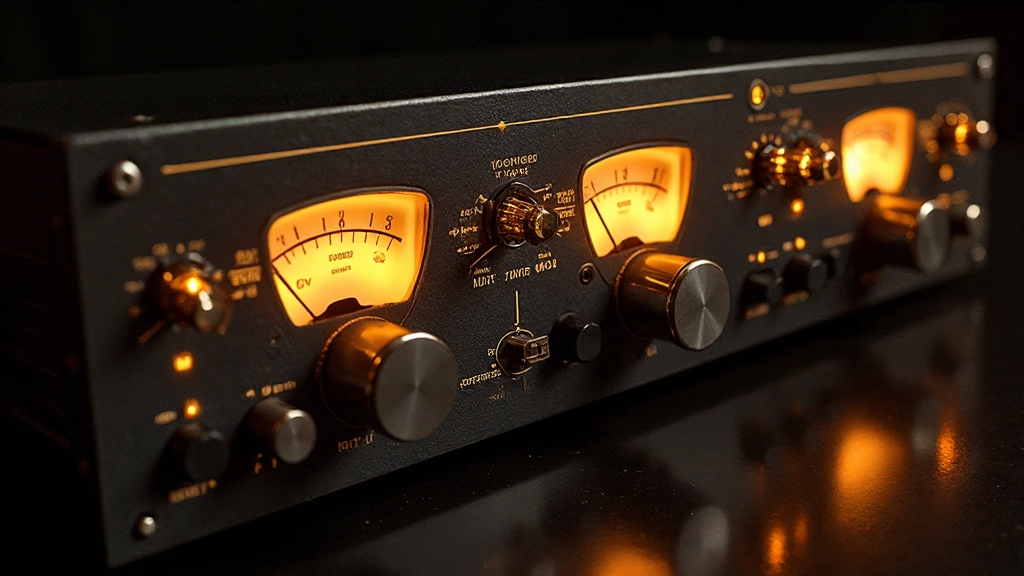
Tube/Variable-Mu: Warm, musical, and vintage-sounding. Perfect for mix bus applications where you want the compression to add character and warmth along with cohesion.
Step 6: Bus Routing Strategy for Maximum Impact
How you route your buses determines what elements get glued together. Strategic bus routing can solve common mix problems while creating professional-sounding cohesion.
Consider these essential bus groupings:
- Drum Bus: All drum elements except maybe the kick drum. This creates rhythmic cohesion while letting you process the low-end separately.
- Rhythm Bus: Drums, bass, and rhythm guitars. Perfect for rock, pop, and dance music where the rhythm section needs to lock together.
- Harmony Bus: Vocals, leads, and harmonic instruments. Creates cohesion in the upper frequencies without affecting the rhythm section.
- Mix Bus: The entire stereo mix. Final glue that brings everything together and prepares for mastering.
Producer Lisa Watanabe uses a "nested bus" approach on complex mixes. "I'll have instrument-specific buses feeding into broader category buses, which then feed the mix bus," she explains. "Each level adds its own type of glue - rhythmic, harmonic, and finally overall musical cohesion."
Step 7: Listen for Translation Across Playback Systems
The true test of effective bus compression isn't how it sounds on your main monitors - it's how consistently your mix translates across different playback systems. Well-applied bus compression should actually improve translation by creating more consistent relationships between mix elements.
Check your bus compression decisions on at least three different playback systems. If the relationships between instruments remain consistent - drums still punch, vocals still cut through, bass still supports without overwhelming - your bus compression is working correctly.
Common Bus Compression Mistakes to Avoid
Even experienced engineers can fall into bus compression traps that harm rather than help their mixes. Watch for these common issues:
Over-compression: More isn't better with bus compression. If you're seeing more than 4-5dB of gain reduction regularly, you're probably overdoing it. Back off the threshold and let the music breathe.
Wrong Attack Times: Using attack times from online tutorials without considering your specific source material. Every song needs different settings based on its rhythmic character and instrumentation.
Ignoring the Song: Applying the same bus compression settings to ballads and uptempo tracks. Different musical styles need different approaches to dynamic control.
Fighting Other Processing: Adding bus compression on top of heavily compressed individual tracks creates a squashed, lifeless sound. Sometimes you need to back off individual compression to make room for bus compression to work.
Making It Musical Rather Than Technical
The best bus compression enhances the musical message rather than imposing a technical solution. Before adjusting any parameters, spend time listening to what the song wants to communicate emotionally.
Does this ballad need gentle, breathing compression that supports intimate vocals? Would this rock anthem benefit from aggressive bus compression that adds energy and excitement? Should this jazz recording use minimal compression that preserves natural dynamics?
Engineer David Park puts it perfectly: "Bus compression should feel like the music is coming from one place, played by musicians who are really listening to each other. When it's working right, you don't notice the compression - you notice that the music feels more connected, more alive, more like a complete musical statement."
Remember Rhonda's mix that started this journey? The magic wasn't in the specific compressor settings - it was in how those settings served the song's emotional core. By creating shared dynamic behavior across all the instruments, bus compression transformed a collection of perfectly recorded parts into something greater: a cohesive musical experience that translated beautifully across every playback system.
That's the real power of bus compression. It's not about technical perfection - it's about creating music that connects with listeners no matter how they choose to hear it.
Hear what these choices do to your own song.
Upload stems or a finished track, choose a reference direction, and compare a private Moozix mix before you export anything.