Your kick hits hard in solo, your bass sounds full and rich on its own, but when you play them together, the low end disappears. The faders look right, the EQ seems balanced, but something's stealing the power from your rhythm section. This isn't a level problem or a frequency clash - it's phase cancellation, and it's one of the most overlooked mix killers in home studios.
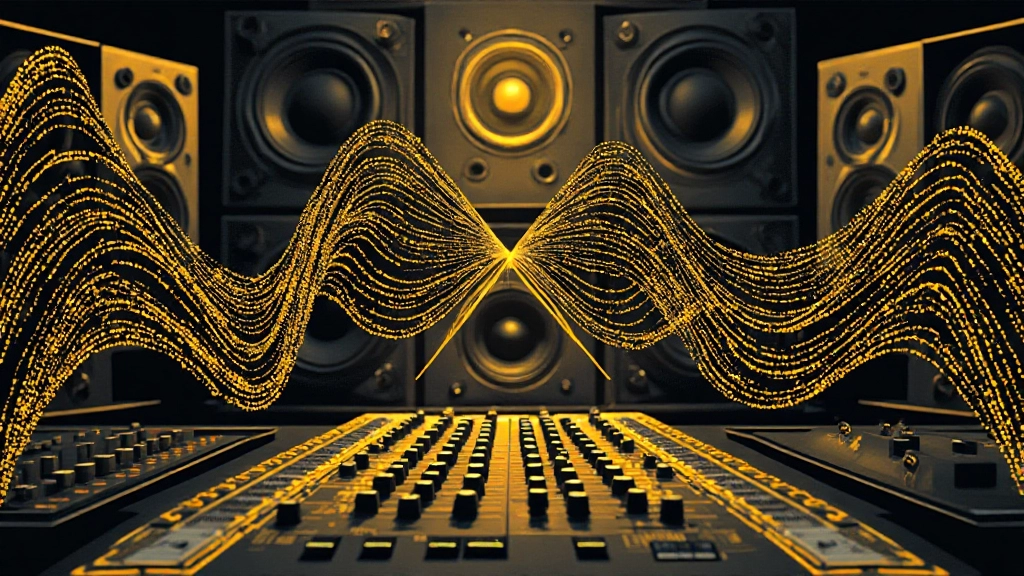
Phase issues between kick and bass happen when their waveforms arrive at your speakers at slightly different times, causing parts of the sound to cancel out instead of adding together. Unlike frequency masking, where one sound simply covers another, phase cancellation creates actual silence in specific frequency ranges. The result is a mix that sounds thin, lacks punch, and fails to translate across different playback systems.
Quick Takeaways
- Phase cancellation creates silence, not just competition between kick and bass
- Solo tests won't reveal phase problems - they only show up in the full mix
- Small timing adjustments often fix phase issues better than EQ cuts
- Mono checks reveal phase problems that stereo listening might miss
- Sub frequencies (40-80 Hz) are most vulnerable to phase cancellation
- Reference tracks help identify when your low end lacks phase coherence
What Phase Cancellation Actually Sounds Like
When kick and bass are out of phase, you'll hear a thin, weak low end that seems to have no foundation. The kick might sound clicky but not punchy, while the bass feels disconnected from the rhythm. In extreme cases, you might hear a "pumping" effect where the bass seems to duck unnaturally when the kick hits, even without sidechain compression.
The telltale sign is inconsistent low-end power. Some kick hits will feel strong while others seem to vanish, depending on where the bass note sits in its cycle when the kick arrives. This creates an uneven groove that makes listeners feel like something's wrong, even if they can't identify what.
Phase problems also reveal themselves when you switch to mono. A mix with phase issues in the low end will often sound dramatically thinner in mono, with the kick and bass both losing significant presence. This mono collapse indicates that stereo phase relationships aren't aligned properly.
Solo Tests vs. Full Mix Reality
The biggest mistake when diagnosing phase issues is relying on solo listening. Each element sounds perfect in isolation because there's nothing for it to cancel with. The kick has full impact, the bass has rich harmonics, and both seem to occupy their frequency ranges appropriately.
Phase cancellation only occurs when multiple sources interact. You need to test kick and bass together, both with and without other mix elements. Start by soloing just the kick and bass together. If the combination sounds weaker than you'd expect from hearing each part individually, phase cancellation is likely the culprit.
Next, listen to the full mix and then mute everything except kick and bass. The low-end foundation should remain solid and punchy. If it suddenly sounds thin or disconnected when isolated from the full arrangement, phase alignment needs attention.
| Listening Test | What to Listen For | Problem Indicator |
|---|---|---|
| Kick Solo | Full frequency range, clear attack | Sounds complete and punchy |
| Bass Solo | Rich harmonics, even note-to-note level | Consistent presence across notes |
| Kick + Bass Only | Combined power greater than individual parts | Weaker than expected combination |
| Full Mix | Solid low-end foundation under all elements | Thin or inconsistent rhythm section |
| Mono Check | Maintained low-end presence | Dramatic thinning in mono |
The 40-80 Hz Danger Zone
Phase cancellation hits hardest in the sub frequencies where kick and bass fundamentals overlap. Most kick drums have significant energy between 50-80 Hz, while bass fundamentals typically live in the 40-100 Hz range. When these frequencies arrive out of phase, they create null points that rob your mix of its foundation.
This frequency range is also where small timing differences create the biggest phase problems. A kick and bass that are only 10-15 milliseconds apart in timing can create significant cancellation in the 60 Hz range, which translates to a loss of power that listeners feel more than hear.
Use a spectrum analyzer to watch this frequency range while kick and bass play together. Look for dips or notches that appear only when both elements are playing. These visual indicators often reveal phase problems that are hard to hear on smaller monitors but will become obvious on larger systems.
Timing Adjustments That Actually Work
The most effective phase fixes often involve tiny timing adjustments rather than EQ changes. Moving the kick or bass track by just a few milliseconds can transform phase cancellation into constructive reinforcement, where the waveforms add together instead of subtracting.
In your DAW, try nudging the kick track 5-10 milliseconds earlier or later while listening to the kick and bass together. Many DAWs allow sample-level accuracy adjustments. Even moving the kick by 20-50 samples (less than 2 milliseconds at 44.1 kHz) can create noticeable improvements in low-end coherence.
For bass parts, consider the attack characteristics of different notes. Bass notes that start with a sharp attack (like a picked note or slap) need different timing relationships than smooth, sustained notes. Sometimes the solution is adjusting the timing of specific bass notes rather than moving the entire bass track.
- Solo kick and bass together
- Loop a section where the problem is most obvious
- Nudge the kick track forward by 5 milliseconds
- Listen for changes in low-end fullness and punch
- Try nudging backward by 5 milliseconds from the original position
- Make smaller adjustments (1-2 milliseconds) around the best position
- Test the adjustment in the full mix
- Verify the fix holds up in mono
When Phase Problems Masquerade as EQ Issues
Many mixers reach for EQ when they should be fixing phase alignment. If your kick seems to lack punch, the instinct is to boost around 60-80 Hz. If the bass feels weak, you might add low-end presence around 50-60 Hz. But when phase cancellation is the real problem, EQ boosts often make things worse by emphasizing frequencies that are already canceling out.
Before making any EQ adjustments to kick or bass, check phase alignment first. A simple timing adjustment might give you the punch and presence you're trying to achieve with EQ, without the side effects of frequency boosting.
If you've already applied EQ and the low end still feels problematic, try temporarily bypassing all low-frequency EQ on kick and bass while testing timing adjustments. You might find that proper phase alignment eliminates the need for aggressive EQ moves.
False Fixes That Backfire
Boosting low frequencies when phase cancellation is the problem often emphasizes the frequencies that are already fighting each other. Adding more energy to cancelled frequencies usually makes the problem worse, not better. Similarly, cutting frequencies to "make room" doesn't fix phase cancellation - it just removes frequency content that could be working together with proper alignment.
Reference Track Phase Analysis
Professional mixes have kick and bass elements that work together rather than against each other. When comparing your mix to reference tracks, pay attention to how the low end feels as a unified foundation rather than separate competing elements.
Load your reference track into your DAW and use the same solo and mono tests you applied to your own mix. Notice how the kick and bass maintain their power when isolated together, and how the low end doesn't collapse when summed to mono. This coherent phase relationship is part of what makes professional mixes translate well across different playback systems.
Match the level of your reference track using a gain plugin, then A/B between your mix and the reference while focusing specifically on low-end stability. Professional mixes typically have a consistent, solid foundation that doesn't vary in power from measure to measure.
Sub Frequency Monitoring Without Studio Monitors
Phase problems in the sub range can be difficult to hear on smaller monitors, but they're still detectable with careful listening techniques. Use headphones that extend reasonably low (most decent closed-back headphones reach 40 Hz) and listen for consistency in the low-end power.
Pay attention to how the kick and bass feel together rather than trying to hear specific frequencies. Phase-aligned low end will feel solid and connected, while out-of-phase elements create a sense of instability or weakness that you can detect even if you can't hear the exact frequencies involved.
If you have access to a car stereo or larger consumer speakers, test your mix on systems with more low-end extension. Phase problems that are subtle on studio monitors often become obvious on systems with stronger sub response.
- Test kick and bass timing relationship before reaching for EQ
- Use small timing adjustments (5-15 milliseconds) to align phase
- Always check phase fixes in both stereo and mono
- Compare low-end stability with professional reference tracks
- Verify fixes on multiple playback systems when possible
DAW-Specific Phase Check Workflow
Most DAWs include phase analysis tools that can help visualize timing relationships between kick and bass. In Pro Tools, Logic, or Studio One, use the built-in phase scope to see when kick and bass waveforms are working together versus fighting each other.
Load a correlation meter across your mix bus to monitor phase relationships in real-time. Values close to +1 indicate good phase coherence, while values approaching 0 or going negative suggest phase problems that will cause issues in mono playback.
For precise timing adjustments, use your DAW's sample-accurate editing features. Zoom in to the sample level and align the kick transient with specific points in the bass waveform. Look for positions where the initial attack of the kick occurs during a positive-going portion of the bass wave rather than during a null point.
Preparation Steps Before Using Automix Tools
If you're planning to use AI mixing assistance or automated mastering services, resolving phase issues in your mix is crucial preparation work. Automated tools often struggle to identify and correct phase problems, especially subtle timing relationships between kick and bass elements.
Export your mix with confirmed phase alignment in the low end. This gives any subsequent processing - whether automated or manual - a solid foundation to work with. Phase-coherent low end translates better across different mastering approaches and helps ensure your final master maintains the punch and power you intended.
Before uploading to any mix enhancement service, do a final mono check to confirm your kick and bass relationship holds up when summed. This simple test can prevent issues that are difficult to fix later in the process.
Export Checks for Phase-Coherent Low End
Before finalizing your mix, run through a systematic check of your kick and bass phase relationship across different export scenarios. Bounce a rough mix at your working sample rate and bit depth, then check it on multiple systems to confirm the low-end stability translates.
Test your export in mono using your DAW's mono summing feature or a simple utility plugin. The kick and bass should maintain most of their individual character and combined power. Significant thinning in mono indicates phase issues that need attention before mastering.
If you're preparing stems for external mixing or mastering, export the kick and bass stems with their timing relationship intact. Don't quantize or move elements after confirming good phase alignment unless you plan to re-check the relationship afterward.
Common Questions About Kick and Bass Phase Issues
How do I know if my kick and bass have phase problems?
Solo kick and bass together - if they sound weaker combined than you'd expect from hearing each alone, phase cancellation is likely occurring. Also check if your low end becomes dramatically thinner when summed to mono.
Should I fix phase issues with EQ or timing adjustments?
Start with timing adjustments. Moving kick or bass by 5-15 milliseconds often solves phase problems more effectively than EQ, and avoids the frequency imbalances that EQ fixes can create.
Can phase problems occur even if kick and bass are in different frequency ranges?
Yes, kick and bass often overlap in the 40-80 Hz range where their fundamental frequencies interact. Even if their main energy sits in different ranges, phase cancellation in the overlapping frequencies can weaken the entire low end.
Why does my mix sound great in stereo but thin in mono?
Mono summing reveals phase problems that stereo listening can mask. When stereo elements are combined to mono, out-of-phase material cancels out, making phase issues much more obvious.
How precise do timing adjustments need to be for phase alignment?
Very precise - adjustments as small as 1-2 milliseconds can make audible differences in phase coherence. Use your DAW's sample-accurate editing features and make small incremental changes while listening to the kick and bass together.
Will phase alignment fixes work on all playback systems?
Proper phase alignment improves translation across systems, but always test your fixes on multiple speakers and in mono. Phase-coherent mixes generally translate better than mixes with cancellation issues.
Hear what these choices do to your own song.
Upload stems or a finished track, choose a reference direction, and compare a private Moozix mix before you export anything.