While most musicians chase streaming algorithms, Caleb Rodriguez discovered something powerful: the record store owner who knew his customers' names sold more of his albums in six months than three years of playlist submissions ever did.
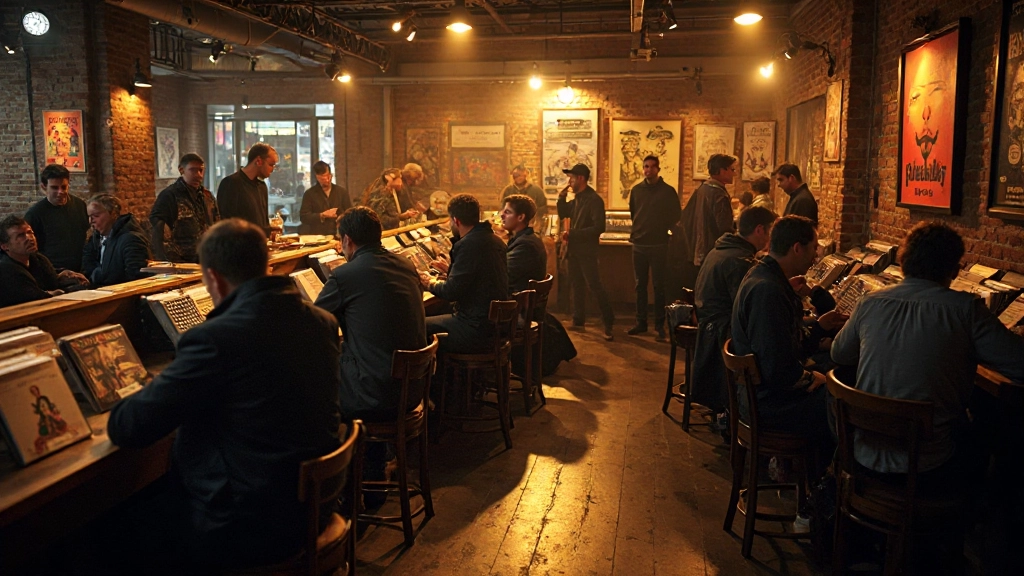
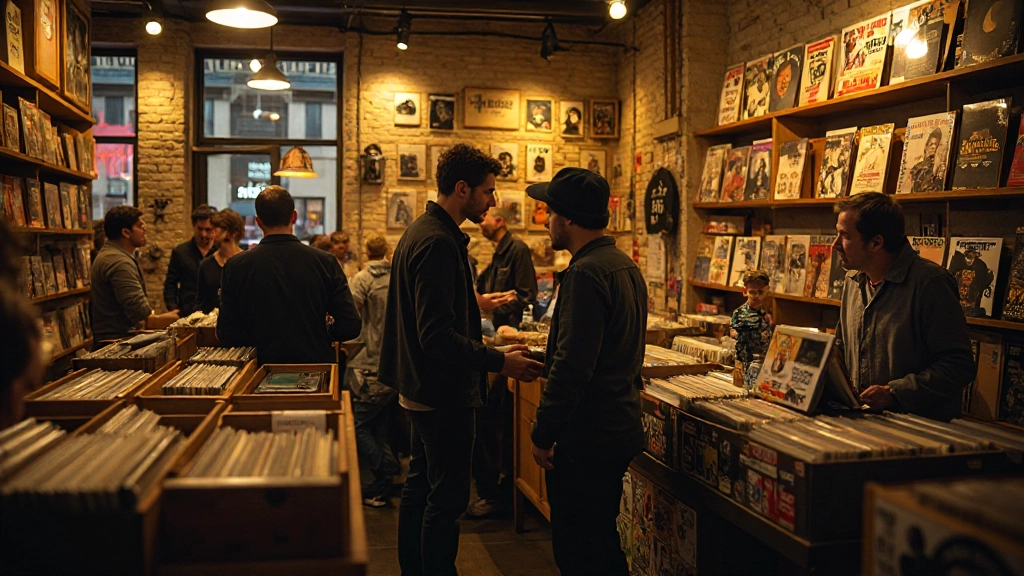
The revelation hit him during a conversation with Janet, who runs Spinning Records in downtown Portland. She'd hand-sold 47 copies of his debut EP simply by playing it during slow afternoons and mentioning it to customers who bought similar artists. No algorithms. No data analytics. Just human connection and musical intuition.
This discovery launched Caleb into exploring how offline music networks actually function and why they often outperform digital strategies for building lasting fan relationships. What he learned challenges everything musicians think they know about modern music promotion.
The Anatomy of Record Store Relationships
Record stores operate on trust currency that streaming platforms can't replicate. When Janet recommends an album, customers buy it because they've learned to trust her musical judgment over months or years of interactions. This trust translates into something more valuable than streams: actual purchases and long-term fans.
Caleb started mapping how these relationships work by interviewing store owners across the Pacific Northwest. The pattern that emerged was surprisingly consistent. Successful record store partnerships follow a specific progression that smart musicians can replicate anywhere.
The relationship begins with genuine engagement. Caleb spent weeks shopping at Spinning Records, discussing music with Janet, and understanding what her customers actually wanted. He noticed she paid attention to who bought what, remembering preferences and making personalized recommendations.
When he finally approached her about carrying his music, Janet already knew his taste and trusted his judgment. The conversation wasn't about convincing her to stock unknown music; it was about adding something she knew would resonate with specific customers she had in mind.
Building Your Record Store Network Strategy
Creating sustainable record store relationships requires systematic approach and genuine investment in local music scenes. Caleb developed a methodology that any musician can adapt to their geographic area and musical style.
| Phase | Timeline | Actions | Success Metrics |
|---|---|---|---|
| Research | 2-4 weeks | Visit stores, observe customer interactions, identify taste-maker staff | List of 5-8 target stores with key contact names |
| Relationship Building | 6-8 weeks | Regular visits, music discussions, small purchases, community engagement | Recognition by staff, invited opinions on new releases |
| Soft Introduction | 2-3 weeks | Share your music casually, gauge interest, offer listening copies | Staff listens and provides honest feedback |
| Partnership Development | 4-6 weeks | Formal consignment arrangement, promotional materials, event planning | Music stocked, regular sales reporting, event booking |
The research phase requires more depth than most musicians invest. Caleb discovered that understanding store culture matters more than inventory size or location. Some stores focus on new releases, others specialize in reissues, and many have specific genre strengths that align with their customer base.
He learned to identify which staff members influence purchasing decisions and which customers act as secondary taste-makers within the store's community. These informal influencers often guide other customers' buying decisions and can become powerful advocates for music they discover.
Beyond Transactions: Creating Store Events That Work
The most successful record store partnerships extend beyond simple consignment arrangements into community programming that benefits everyone involved. Caleb's breakthrough came when he proposed something unusual: instead of a traditional in-store performance, he offered to host listening parties for albums Janet wanted to promote.
These events combined his growing local following with Janet's customer relationships, creating cross-pollination that expanded both their networks. The format was simple but effective: monthly gatherings focused on specific albums or themes, with guided listening sessions and group discussions.
"The magic happened when my fans discovered other artists through Janet's recommendations, and her customers found my music through the listening party format. We weren't competing for attention; we were expanding everyone's musical horizons."
The listening party model proved so successful that other local musicians requested similar partnerships. Janet began hosting weekly events featuring different artists, turning Spinning Records into a community hub for music discovery rather than just retail.
This evolution demonstrates how record store relationships can become platforms for broader music community development. Musicians who understand this potential create value that extends far beyond their own promotional needs.
Radio Station Partnerships That Actually Drive Sales
While building his record store network, Caleb noticed something interesting: the most effective stores had relationships with local radio stations that went beyond simple advertising. Janet regularly appeared on KPSU's afternoon show, discussing new arrivals and making on-air recommendations that drove customers to the store.
This observation led Caleb to explore how musicians can create similar radio partnerships that support both broadcast and retail objectives. The key insight was understanding that radio programmers and record store owners often share similar challenges in music curation and audience development.
- Research DJ preferences by listening to shows and understanding their programming philosophy
- Offer exclusive content like acoustic versions or extended interviews rather than standard promotional materials
- Connect radio partnerships with record store relationships to create cross-promotional opportunities
- Propose regular programming like monthly showcase spots rather than one-time song submissions
- Facilitate connections between radio DJs and record store staff to strengthen the entire local music ecosystem
Caleb's most successful radio partnership began when he introduced Janet to Marcus, a DJ at KPSU who was struggling to find new local music. The connection benefited all three parties: Marcus got access to Janet's knowledge of emerging artists, Janet received on-air promotion for store events, and Caleb gained regular radio play through his association with both.
This triangular relationship model became the foundation for Caleb's broader network strategy. By facilitating connections between different music industry professionals, he positioned himself as a valuable connector rather than just another musician seeking promotion.
The Coffee Shop Circuit: Intimate Venue Networks
Record stores and radio stations provided Caleb with discovery and broadcast opportunities, but he needed performance venues that aligned with his acoustic-focused music. Rather than competing for traditional music venue slots, he developed a network of coffee shops, bookstores, and cafes that welcomed live music.
The coffee shop circuit operates differently from traditional music venues. Success depends on understanding the establishment's primary business and enhancing rather than disrupting the customer experience. Caleb learned that the most effective coffee shop performances feel like serendipitous discoveries rather than scheduled entertainment.
His approach emphasized conversation and connection over performance spectacle. He arrived early, bought coffee, chatted with staff and customers, and created an atmosphere of informal community gathering. When he performed, it felt like sharing music with friends rather than presenting a show.
The key to sustainable coffee shop relationships lies in reciprocity and respect for the venue's core business. Caleb always promoted the coffee shops on his social media, brought friends who became regular customers, and scheduled performances during slower business periods when live music added value rather than competing with conversation.
This approach generated consistent bookings and created a performance circuit that supported his album sales at partner record stores. Coffee shop audiences often asked about purchasing his music, creating direct connections between his performance and retail networks.
Community Radio: The Overlooked Promotional Channel
While exploring radio partnerships, Caleb discovered that community stations often provide more meaningful promotional opportunities than commercial radio, despite smaller audience sizes. Community radio DJs typically have more programming freedom and stronger listener loyalty, creating environments where new music can receive serious attention.
The community radio landscape includes college stations, low-power FM broadcasters, and volunteer-run organizations that serve specific geographic or cultural communities. These stations often struggle with limited resources but possess deep connections to their listener base.
Caleb's strategy for community radio engagement focused on providing value beyond his own music promotion. He offered to help with station fundraising events, contributed music reviews for station newsletters, and connected DJs with other local artists who might fit their programming needs.
- Research Programming Schedules: Listen to different shows and identify DJs whose musical preferences align with your style and values.
- Understand Station Needs: Community stations often need volunteers, fundraising support, and connections to local music scenes.
- Offer Multiple Forms of Engagement: Beyond submitting music, propose interviews, live sessions, or collaborative programming ideas.
- Support Station Events: Attend fundraisers, volunteer at remote broadcasts, and help promote station activities to your network.
- Create Exclusive Content: Offer community stations first access to new releases, acoustic versions, or extended interviews that larger stations can't provide.
The most valuable community radio relationship Caleb developed was with KBOO, a volunteer-powered station in Portland. His initial contact with DJ Sarah Kim led to monthly live sessions, guest hosting opportunities, and connections with musicians throughout the Pacific Northwest.
These relationships generated more than radio play; they provided access to a network of musicians, venue owners, and music enthusiasts who supported each other's projects. The community radio scene became a hub for discovering collaboration opportunities and building lasting professional relationships.
Creating Cross-Pollination Between Networks
The real power of offline music promotion emerges when different networks begin supporting and amplifying each other. Caleb's breakthrough came when he realized that his various relationships could create mutual benefit rather than simply serving his individual promotional needs.
He started facilitating connections between record store owners, radio DJs, coffee shop managers, and other musicians. These introductions created a web of relationships that supported the entire local music ecosystem while positioning Caleb as a valuable connector and community builder.
"When Janet started appearing regularly on Marcus's radio show to discuss new arrivals at the store, and when Sarah began hosting live sessions at the coffee shops where I performed, I realized I'd helped create something bigger than my own career. The whole scene got stronger, and everyone benefited."
This cross-pollination strategy requires thinking beyond individual promotional needs toward community development. Musicians who understand this principle create lasting value that generates ongoing support and advocacy from everyone in their network.
The practical implementation involves regular communication between network contacts, sharing opportunities that might benefit others, and organizing events that bring different parts of the music community together. Caleb's monthly "Music Discovery Night" became a gathering point for his entire network, featuring performances, record store promotions, radio show recordings, and community building.
Measuring Success Beyond Streaming Numbers
Traditional music promotion metrics focus on streams, followers, and digital engagement, but offline network building requires different success measurements. Caleb learned to track relationship depth, community impact, and long-term sustainability rather than just immediate promotional results.
The most meaningful indicators of offline network success include repeat customers at record stores, invitation to participate in community events, referrals to new venues and opportunities, and the development of genuine friendships within the music community.
| Metric Category | Traditional Measures | Network-Building Measures |
|---|---|---|
| Reach | Follower count, stream numbers | Depth of relationships, referral frequency |
| Engagement | Likes, comments, shares | Face-to-face conversations, collaborative opportunities |
| Sales | Digital download numbers | Physical sales, repeat customers, word-of-mouth referrals |
| Growth | Monthly listener increases | Network expansion, community integration, partnership development |
Caleb tracks his network building success through qualitative indicators that reflect relationship strength and community integration. When record store owners start recommending his music without prompting, when radio DJs invite him to guest host shows, and when other musicians seek his advice on local scene navigation, he knows his network building efforts are succeeding.
The long-term value of these relationships extends beyond immediate music promotion into career sustainability and creative community support. Musicians with strong offline networks weather industry changes better because their success doesn't depend entirely on platform algorithms or digital marketing trends.
Scaling Your Offline Network Strategy
Building offline music networks requires time investment that many musicians find challenging to balance with recording, performing, and digital promotion activities. The key to sustainable network building lies in systematic approach and understanding that relationship development accelerates over time.
Caleb's network expansion strategy focuses on depth over breadth, prioritizing strong relationships in his home market before attempting to replicate the model in other cities. This foundation provides credibility and referrals that ease network building in new markets.
When touring or exploring new markets, musicians with established networks can leverage existing relationships for introductions and credibility. Record store owners, radio DJs, and venue managers often maintain connections with peers in other cities, creating opportunities for warm introductions rather than cold outreach.
The investment required for effective network building pays dividends through career longevity and creative support that extends beyond promotional benefits. Musicians with strong community connections access collaboration opportunities, creative feedback, and professional support that isolated artists miss.
Caleb's experience demonstrates that offline music networks provide foundation for sustainable creative careers that survive industry changes and platform shifts. While digital promotion tactics change rapidly, human relationships and community connections provide stability that supports long-term artistic development.
For musicians willing to invest time in genuine community building, offline networks offer promotional power that complements and often surpasses digital marketing efforts. The key lies in approaching network building as community service rather than self-promotion, creating value for others while building the relationships that support sustainable music careers.
Hear what these choices do to your own song.
Upload stems or a finished track, choose a reference direction, and compare a private Moozix mix before you export anything.