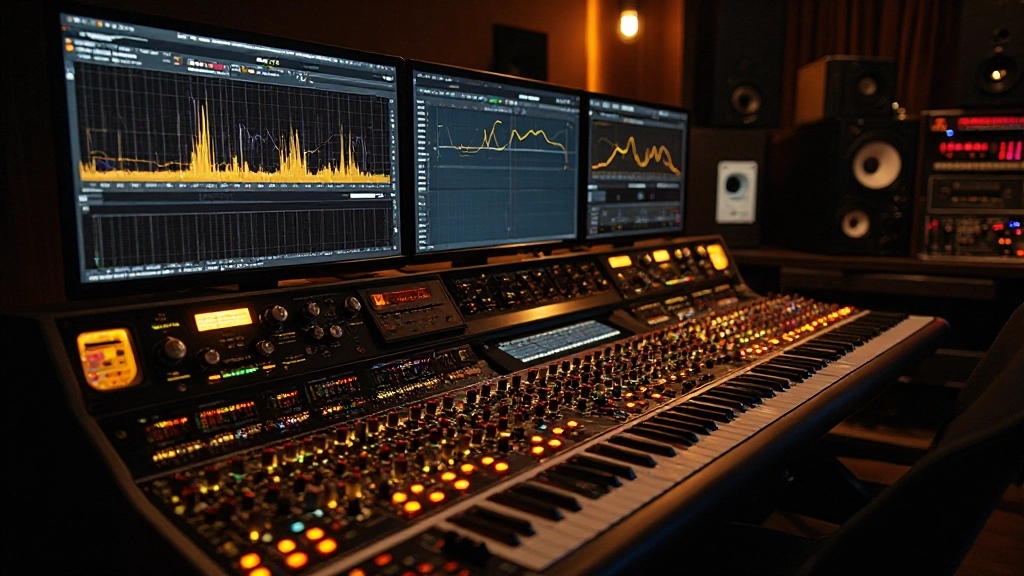
Three veteran mixing engineers reveal how dynamic EQ transforms problematic frequencies into musical assets, sharing hard-won techniques for precision control in any mixing environment.
Preston Rodriguez had been chasing a phantom for three hours. Every time the vocalist hit that soaring chorus, something ugly bloomed around 2.8kHz, turning her beautiful tone into fingernails on chalkboard. Static EQ cuts killed the life in quieter verses. Boosting around it just emphasized the harshness. Then his mentor suggested something that changed everything: "Stop thinking like a sculptor. Start thinking like a traffic cop."
That traffic cop analogy unlocked dynamic EQ for Preston, and it illustrates why this tool has become essential for modern mixing. Unlike static EQ, which applies the same frequency adjustment regardless of program material, dynamic EQ responds to the signal in real-time, making surgical adjustments only when problematic frequencies cross user-defined thresholds.
What Makes Dynamic EQ Different from Traditional Processing
To understand dynamic EQ's precision capabilities, I interviewed three engineers who have shaped its modern application: Preston Rodriguez (credits include indie darlings The Midnight Collective), Diana Chen (pop production for major labels), and veteran Nashville engineer Bobby Hartwell (country, folk, and Americana projects spanning two decades).
Why did you each gravitate toward dynamic EQ over traditional static cuts and boosts?
Preston: "Static EQ is like using a sledgehammer when you need a scalpel. I was working on this folk track where the acoustic guitar had this beautiful woody resonance in the low mids, but when the player hit certain chord voicings, that same frequency range would build up and cloud the vocal. A static cut would have dulled the guitar's character. Dynamic EQ let me keep the warmth while taming only the problematic moments."
Diana: "For me, it was vocal production. Modern pop vocals need to cut through dense arrangements, but harsh static EQ moves sound obvious and processed. Dynamic EQ lets you maintain naturalness while addressing frequency conflicts that only occur during specific musical moments."
Bobby: "In country mixing, you're often dealing with very dynamic performances. A pedal steel might have gorgeous harmonic content most of the time, but occasionally hit resonant frequencies that fight with the vocal. Dynamic EQ preserves the instrument's character while managing those occasional conflicts."
The Frequency Detective Approach
All three engineers emphasize identification before treatment. Dynamic EQ works best when you understand exactly which frequencies cause problems and under what conditions.
What's your process for identifying problem frequencies before applying dynamic EQ?
Diana: "I use a technique I call 'frequency sweeping under pressure.' I'll solo the problematic track, set up a narrow parametric EQ with significant boost, then sweep through the frequency spectrum while the most problematic section loops. When you hit the offensive frequency, it jumps out immediately. Note the frequency and the musical context, then replace that static EQ with a dynamic band targeting the same spot."
"The key is understanding that dynamic EQ doesn't just respond to level changes. It responds to frequency-specific energy changes. A 3kHz spike might only happen during certain vowel sounds or chord voicings."
Diana Chen
Preston: "I take a different approach. I'll listen to the full mix and identify moments where things sound congested or harsh. Then I'll mute elements one by one to isolate which instrument is causing the issue. Once I've identified the source, I use spectrum analysis to see what's happening in that frequency range during the problematic passages versus the clean sections."
Bobby: "Sometimes the problem isn't obvious until you hear it in context. I'll set up dynamic EQ bands preemptively on sources I know can be problematic, snare drums around 1kHz, vocals in the 2-4kHz range, bass guitar around 100-200Hz. Then I adjust the parameters while listening to the full arrangement."
Surgical Precision: Attack and Release Settings
The timing characteristics of dynamic EQ often determine whether the processing sounds musical or mechanical.
| Source Material | Typical Attack Time | Typical Release Time | Reason |
|---|---|---|---|
| Vocal Sibilance | 0.1-1ms | 10-50ms | Fast response for consonants, quick recovery for naturalness |
| Snare Ring | 1-5ms | 100-300ms | Catch the initial transient, longer release for natural decay |
| Guitar Resonance | 5-10ms | 50-150ms | Avoid affecting pick attack, moderate release for chord sustain |
| Bass Proximity | 10-20ms | 100-500ms | Preserve punch, longer release for note length |
How do you approach attack and release timing for different sources?
Bobby: "Attack time determines what you're trying to catch. For percussive sources like snare drums, I want fast attack to catch the initial crack but not so fast that it affects the fundamental pitch. For sustained sources like vocals or guitars, slightly slower attacks prevent the processing from responding to every micro-dynamic."
Preston: "Release time is where the musicality lives. Too fast, and you get pumping artifacts. Too slow, and the frequency cut lingers into musical passages where you want that frequency content. I set release times based on the musical phrase length. If I'm controlling vocal harshness, I want the EQ to release before the next phrase begins."
Multi-Band Strategies for Complex Sources
Modern dynamic EQs often provide multiple bands, enabling sophisticated frequency sculpting across different ranges simultaneously.
When do you use multiple dynamic bands on a single source?
Diana: "Vocals are perfect candidates for multi-band dynamic processing. I might have one band controlling harshness around 3kHz with fast attack and release, another managing proximity effect around 200Hz with slower timing, and a third addressing any nasal buildup around 1kHz. Each band operates independently based on its specific frequency content."
Preston: "Full drum kit processing often benefits from multiple dynamic bands. I'll set up one band to control snare ring around 800Hz, another to manage cymbal harshness around 8kHz, and sometimes a third to address kick drum resonance. This lets me shape the entire kit's frequency response dynamically without affecting good-sounding moments."
- Start with the most problematic frequency first
- Use narrow Q values for surgical cuts, wider Q for musical shaping
- Set different attack/release times for each band based on source material
- Monitor total gain reduction to avoid over-processing
- A/B frequently to ensure changes improve rather than just alter the sound
Integration with Modern Mixing Workflows
As mix environments become increasingly hybrid and AI-assisted analysis tools provide deeper insights into frequency content, dynamic EQ workflows continue evolving.
How has your dynamic EQ usage changed with modern analysis tools and AI assistance?
Diana: "Spectrum analyzers with real-time frequency tracking have revolutionized how I identify problem areas. I can see exactly which frequencies spike during problematic passages, then set up dynamic EQ bands with surgical precision. AI-powered mix analysis tools sometimes suggest frequency ranges I wouldn't have considered, leading to more comprehensive dynamic processing chains."
Bobby: "Machine learning algorithms are getting better at identifying frequency masking between instruments. I've started using AI analysis to identify potential conflicts, then implement dynamic EQ solutions that automatically duck competing frequencies when instruments play simultaneously. It's like having an automatic mixing assistant that makes micro-adjustments in real-time."
Preston: "The biggest change is precision. Modern plugins provide visual feedback showing exactly when each band triggers and how much gain reduction occurs. This visual component helps me fine-tune threshold and ratio settings much more accurately than relying purely on ear, especially when working on problematic room acoustics."
Room Acoustics and Dynamic EQ Compensation
Small room mixing often involves compensating for acoustic problems that affect monitoring accuracy. Dynamic EQ can address some monitoring issues while processing program material.
How do you account for small room acoustics when setting up dynamic EQ processing?
Preston: "My mixing room has a slight buildup around 150Hz that makes bass-heavy material sound fuller than it actually is. I've learned to compensate by being more aggressive with dynamic EQ in that range, knowing that what sounds balanced in my room will translate well to other systems. I also use reference tracks extensively to calibrate my ear to the room's response."
Diana: "Small rooms often have comb filtering issues that affect how you perceive certain frequencies. I use near-field monitoring and frequently check my dynamic EQ moves on different speaker systems. If a dynamic cut sounds too aggressive on my main monitors but perfect on headphones, that usually indicates a room issue rather than a processing problem."
"Room acoustics can make you over-process certain frequencies. The key is learning your space's characteristics and adjusting your processing decisions accordingly."
Bobby Hartwell
Advanced Sidechain and Mid/Side Applications
Beyond basic frequency-dependent gain reduction, advanced dynamic EQ implementations offer sophisticated control options that enable complex mix problem solving.
Can you share examples of advanced dynamic EQ techniques that solved specific mix problems?
Bobby: "I had a situation where the bass guitar sounded perfect in isolation but disappeared during dense chorus sections. I set up a dynamic EQ on the bass with external sidechaining from the rhythm guitar. When the guitar played heavy chords, the dynamic EQ would boost specific frequencies on the bass to maintain its presence. It's like automatic mix compensation."
Preston: "Mid/Side dynamic EQ opened up new possibilities for stereo width control. On a recent ambient track, the stereo guitars had beautiful width, but certain frequencies in the side information became harsh during loud sections. I applied dynamic EQ only to the side channel, reducing harshness while preserving the wide stereo image during quieter passages."
Diana: "Frequency-dependent sidechain compression using dynamic EQ creates interesting rhythmic effects. I'll set up a dynamic EQ band on a pad or string arrangement that ducks specific frequencies in rhythm with the kick drum. It creates space for the low end while maintaining harmonic content in frequency ranges that don't conflict."
- Identify the Problem: Use spectrum analysis and careful listening to isolate problematic frequencies and their triggers
- Set the Band: Configure frequency, Q, and gain reduction parameters based on the specific issue
- Adjust Timing: Set attack and release times appropriate for the source material and musical context
- Fine-tune Threshold: Calibrate the trigger level so processing occurs only when needed
- Test in Context: Verify the dynamic EQ improves the mix rather than just changing it
Common Pitfalls and Troubleshooting
Even experienced engineers encounter challenges when implementing dynamic EQ. Understanding common problems helps avoid processing artifacts that can damage musical naturalness.
What are the most common dynamic EQ mistakes you see and how do you avoid them?
Diana: "Over-processing is the biggest issue. Engineers often set up multiple dynamic bands with heavy gain reduction, creating a processed, lifeless sound. I limit myself to 3-6dB of gain reduction per band and rarely use more than three bands on a single source. Subtle, surgical moves sound more musical than dramatic corrections."
Bobby: "Incorrect Q settings cause problems. Too narrow, and the processing sounds artificial. Too wide, and you're affecting frequencies that don't need adjustment. I start with moderate Q values and adjust based on the musical result. The goal is addressing the problem frequency without affecting neighboring content."
Preston: "Mismatched attack and release times create artifacts. If the attack is too slow for percussive sources, the problematic transient gets through. If the release is too fast for sustained sources, you get pumping. I always adjust timing controls while listening to the actual program material, not just theoretical settings."
Genre-Specific Applications
Different musical styles present unique frequency challenges that benefit from tailored dynamic EQ approaches.
How do you adapt dynamic EQ strategies for different genres?
Preston: "Folk and acoustic music requires very subtle dynamic EQ. The goal is maintaining naturalness while addressing minor resonances or pickup artifacts. I use gentle curves and minimal gain reduction. Electronic music allows more aggressive processing since listeners expect a certain amount of sonic manipulation."
Diana: "Pop music benefits from dynamic EQ on vocals to maintain clarity through dense arrangements. I often set up frequency-dependent ducking where certain instrumental frequencies automatically reduce when the vocal is present. This creates space without static EQ cuts that would affect instrumental sections."
Bobby: "Country and Americana mixing often involves managing instrument conflicts while preserving individual character. Dynamic EQ lets me address frequency masking between fiddle and vocal, or pedal steel and electric guitar, without dulling the instruments' distinctive tonal qualities."
Integration with Your Overall Mix Strategy
As our conversation concluded, all three engineers emphasized that dynamic EQ works best as part of a comprehensive mixing approach rather than a standalone solution.
How does dynamic EQ fit into your overall mix methodology?
Diana: "Dynamic EQ handles surgical problems that can't be solved with arrangement or performance changes. It's precision medicine for frequency issues. But I always consider whether a different microphone choice, recording technique, or arrangement modification might solve the problem more elegantly."
Bobby: "I think of dynamic EQ as advanced problem-solving rather than routine processing. Most sources don't need it if they're recorded well and fit properly in the arrangement. When you do need it, dynamic EQ can solve problems that would be impossible to address any other way."
Preston: "The best dynamic EQ moves are invisible. If listeners notice the processing, you've probably gone too far. The goal is solving mix problems while maintaining the musical integrity of the original performances."
Dynamic EQ represents a bridge between the frequency-shaping power of traditional EQ and the responsive, musical behavior of compression. As Preston discovered with that troublesome vocal frequency, thinking like a traffic cop rather than a sculptor often leads to more musical solutions. The technique allows problematic frequencies to pass during musical moments while controlling them when they become destructive.
Whether you're working in a bedroom studio or a professional facility, dynamic EQ provides surgical precision for frequency problems that static processing can't address effectively. The key lies in understanding not just the technical parameters, but the musical context in which frequency conflicts occur.
Hear what these choices do to your own song.
Upload stems or a finished track, choose a reference direction, and compare a private Moozix mix before you export anything.