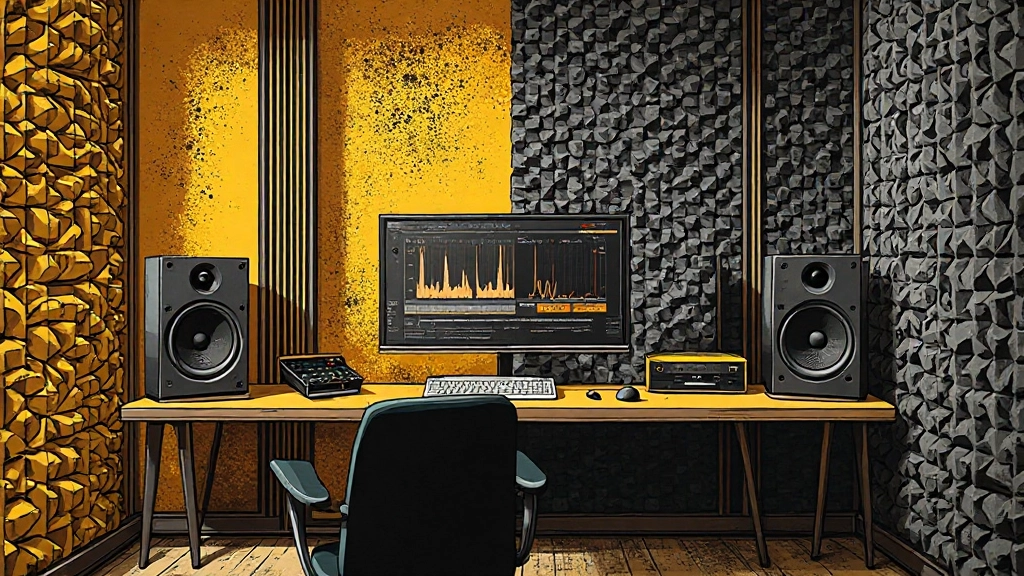
Your room sounds wrong, but you're not sure if you need to block sound from getting out or fix how sound behaves inside. This confusion costs home studio owners thousands in the wrong materials and months of frustrated mixing. Soundproofing and acoustic treatment solve completely different problems, and picking the wrong one leaves you with the same room issues plus an empty wallet.
Quick Takeaways
- Soundproofing blocks sound transmission; acoustic treatment controls reflections and resonances
- Most home studios need acoustic treatment, not soundproofing
- Test your room's problems before buying any materials
- Budget treatment works when placed correctly
- Monitor placement changes everything before you add materials
- DIY solutions often outperform expensive foam panels
What Problem Are You Actually Hearing?
The first step is identifying whether your issue comes from sound escaping your room or sound bouncing around inside it. Recording a simple clap test reveals the difference immediately. Clap your hands sharply in your recording position and listen to what happens next.
If you hear a harsh, fluttery echo that makes vocals sound like they're recorded in a bathroom, that's an acoustic treatment problem. The sound is bouncing off hard surfaces and creating reflections that muddy your recordings and make mixing decisions unreliable.
If the clap sounds fine but your neighbors complain about noise, or outside sounds interrupt your recordings, that's a soundproofing problem. Sound is traveling through walls, floors, or ceilings.
Most home studio problems fall into the first category. You can record and mix, but everything sounds boxy, harsh, or inconsistent when played on other systems. The room is adding its own coloration to everything you hear.
When Soundproofing Actually Helps Your Recordings
Soundproofing becomes necessary when external noise contaminates your recordings or when you need to contain sound to avoid disturbing others. True soundproofing requires mass, isolation, and often structural changes that cost significantly more than acoustic treatment.
The telltale signs you need soundproofing: traffic noise bleeding into vocal takes, neighbors knocking during recording sessions, or HVAC systems creating a constant low-frequency rumble in your tracks. These problems won't improve with foam or blankets—they need barriers that stop sound transmission.
Basic soundproofing starts with sealing air gaps. Sound travels through the tiniest openings, so weatherstripping around doors and acoustic caulk around electrical outlets can reduce noise transmission more than expensive materials applied poorly.
For more serious isolation, mass-loaded vinyl, doubled drywall with Green Glue, or building a room within a room become necessary. These solutions require planning, investment, and often professional installation.
Why Most Home Studios Need Acoustic Treatment Instead
Acoustic treatment addresses the more common issue: controlling how sound behaves once it's inside your room. This includes absorption, diffusion, and bass trapping to create a neutral listening environment where you can make reliable mixing decisions.
The symptoms of poor acoustic treatment show up in your recordings and mixes. Vocals sound boxy or harsh, drums lack punch, stereo imaging feels unclear, and your mixes sound completely different on headphones, car speakers, or other playback systems.
Unlike soundproofing, acoustic treatment doesn't require major construction. Strategic placement of absorptive and diffusive materials can transform a problematic room into a workable space for recording and mixing.
The key is targeting specific frequency problems rather than covering every surface. Room modes, flutter echoes, and first reflection points cause the most audible issues and respond well to focused treatment.
False Fix: Covering Walls With Foam Won't Solve Everything
Many home studio owners buy foam panels and cover their walls hoping to fix all acoustic problems. This approach often creates new issues while leaving the original problems unsolved.
Thin foam panels only absorb high frequencies, which can make your room sound dull and muffled without addressing mid-range reflections or low-frequency buildup. You end up with a dead-sounding room that's still problematic for mixing.
The foam-everywhere approach also ignores the importance of balanced treatment. Some reflections actually help create a natural sound, and removing all of them can make recordings sound lifeless.
Instead of blanketing walls with foam, identify the specific reflection points causing problems and treat those areas with appropriate materials. This targeted approach costs less and sounds better.
Room Analysis: Testing Your Space Before You Buy Anything
Before purchasing any treatment materials, map out your room's specific problems using simple tests you can do with basic equipment.
Start with the mirror test for identifying first reflection points. Sit in your mixing position and have someone move a mirror along the wall. Anywhere you can see your monitors in the mirror marks a spot where sound reflects directly back to your ears, potentially causing phase cancellation and stereo imaging problems.
Next, test for flutter echoes by clapping in different areas of the room. A quick, dry clap should produce a single sharp sound. If you hear multiple repetitions or a buzzing quality, you've found surfaces that need treatment.
For low-frequency problems, play a bass sweep tone (30 Hz to 200 Hz) and walk around the room. Areas where the bass suddenly gets louder or quieter indicate standing wave problems that need bass trapping.
Document these problem areas before shopping for materials. This testing reveals whether you need absorption, diffusion, bass trapping, or a combination of treatments.
| Problem Symptom | Likely Cause | Treatment Type |
|---|---|---|
| Harsh, brittle vocal sound | High-frequency reflections | Absorption panels at first reflection points |
| Boomy, muddy low end | Standing waves and room modes | Bass traps in corners and wall/ceiling junctions |
| Flutter echo on clap test | Parallel hard surfaces | Break up reflection with absorption or diffusion |
| Mix sounds different on other systems | Uncontrolled room reflections | Balanced treatment focusing on listening position |
| Drums sound thin and lifeless | Over-treatment removing beneficial reflections | Add diffusion or remove excessive absorption |
Budget Treatment That Actually Works
Effective acoustic treatment doesn't require expensive materials if you understand what each frequency range needs and place materials strategically.
For high-frequency absorption, dense moving blankets often outperform thin foam panels. Hang them at first reflection points and behind your listening position. The mass and density of quality moving blankets absorb a broader frequency range than typical acoustic foam.
Bass trapping represents the biggest challenge for budget setups, but corner placement makes even modest materials more effective. Stacking thick blankets or pillows in room corners creates basic bass trapping. It's not perfect, but it's often enough to reduce the most problematic standing waves.
DIY panels using rigid fiberglass insulation and fabric covers provide professional results at a fraction of the cost of commercial panels. Build them 2-4 inches thick for effective mid and high-frequency absorption.
The most important principle: strategic placement beats expensive materials used poorly. Two well-placed panels often solve more problems than a dozen randomly distributed ones.
Work It in Your DAW: Testing Treatment Effectiveness
Once you've added treatment to your room, use your DAW to verify the improvements and identify remaining issues.
- Record a reference vocal or instrument in your treated space
- Import the recording and solo it while listening on headphones
- Compare the headphone sound to what you hear when playing the same track through your monitors
- Note any differences in tonal balance, stereo width, or clarity
- Use a spectrum analyzer to check for frequency peaks or dips that suggest remaining room problems
- Play familiar reference tracks and check if they sound more consistent than before treatment
This process reveals whether your treatment is working and helps you fine-tune placement. If vocals still sound boxy on monitors but clear on headphones, you likely need more mid-frequency absorption. If bass response varies dramatically between headphones and monitors, focus on low-frequency treatment.
Monitor Placement: The Free Acoustic Treatment
Before adding any materials to your room, optimize your monitor placement. Proper positioning can solve many acoustic problems without spending money on treatment.
Start by pulling your monitors away from walls. Placing speakers directly against a wall creates boundary reflections that emphasize certain frequencies and muddy the sound. Even six inches of separation can improve clarity.
Position monitors to form an equilateral triangle with your listening position. This setup ensures proper stereo imaging and helps you hear the true balance of your mix.
Angle monitors slightly inward so the tweeters aim directly at your ears. High frequencies are highly directional, and off-axis listening can make your room sound duller than it actually is, leading to over-bright mixes.
Test different heights for your monitors. Placing them too high or too low changes how room reflections interact with the direct sound, potentially creating phase cancellation that makes mixing decisions unreliable.
When to Combine Soundproofing and Acoustic Treatment
Some situations require both approaches, particularly in apartment studios or rooms with significant noise issues. The key is addressing them in the right order and understanding how they interact.
Handle soundproofing first if external noise interferes with critical listening. You can't properly evaluate acoustic treatment effectiveness when traffic, neighbors, or HVAC noise masks subtle acoustic problems.
Basic soundproofing steps like sealing gaps and adding mass to doors often provide enough isolation to evaluate your room's acoustic character. Once you can hear clearly, acoustic treatment decisions become more obvious.
Some materials serve both functions. Thick rockwool panels provide acoustic absorption while adding mass that reduces sound transmission. This dual-purpose approach works well for budget-conscious setups.
Remember that soundproofing and acoustic treatment can work against each other if not planned properly. Sealing a room completely without considering ventilation and air exchange can create humidity and temperature problems that damage equipment.
What to Check Before Using Mix Feedback or Automix Tools
Whether your room needs soundproofing, acoustic treatment, or both affects how you prepare tracks for external feedback or AI automix and mastering services. Room problems can bias your mixing decisions in ways that become obvious when someone else evaluates your work.
If your room has untreated reflections, you might over-compensate by making harsh frequencies duller or boosting frequencies that room modes are masking. These mixing decisions show up clearly when professional ears evaluate your tracks through Mix Feedback services.
Before uploading tracks for feedback, do a quick reference check by comparing your mix to similar songs on various playback systems. If your mix sounds dramatically different on headphones, car speakers, or phone speakers, room acoustic problems are likely influencing your mixing decisions.
Document the acoustic issues you know about when submitting tracks for feedback. Mentioning that you're working in an untreated room helps feedback providers understand which mix issues stem from your monitoring environment versus the actual balance of your track.
For the best results from automated mixing services, address obvious room problems first. While these tools can often compensate for minor acoustic issues, severe room coloration can mislead the algorithms about the true frequency balance of your recordings.
Common Questions About Room Acoustics
How can I tell if my room needs soundproofing or acoustic treatment?
Do a clap test: if you hear harsh echoes or flutter, you need acoustic treatment. If outside noise interrupts recordings or neighbors complain about your volume, you need soundproofing. Most home studios need acoustic treatment to control internal reflections rather than soundproofing.
Will foam panels solve my room's boomy bass problems?
No, thin foam only absorbs high frequencies and won't control low-frequency buildup or standing waves. Bass problems need thick, dense materials placed in corners or along wall-ceiling junctions. Foam can actually make bass issues more noticeable by removing highs.
What's the most cost-effective room treatment for a home studio?
Focus on monitor placement first, then add thick moving blankets at first reflection points and corners. This approach costs under $200 and solves the most audible problems. Proper placement of budget materials beats expensive panels used randomly.
How much acoustic treatment do I actually need?
Start minimal and add gradually while testing. Over-treatment can make rooms sound dead and lifeless. Target specific problems like first reflection points and obvious flutter echoes before adding more materials. Balance is more important than coverage.
Can I use the same materials for soundproofing and acoustic treatment?
Some materials like thick rockwool panels provide both absorption and mass for sound blocking, but they serve different primary functions. True soundproofing requires mass and air gaps, while acoustic treatment needs strategic placement for reflection control.
Why does my treated room still sound bad on other playback systems?
Room treatment only fixes monitoring accuracy—it doesn't automatically improve your mixing skills or compensate for poor recordings. If mixes still translate poorly after treatment, focus on reference track comparison and mixing techniques rather than adding more acoustic materials.
Hear what these choices do to your own song.
Upload stems or a finished track, choose a reference direction, and compare a private Moozix mix before you export anything.