The moment you reach for a limiter on your master bus, you're making a choice that will define how your entire mix breathes. But here's the thing most producers miss: not all limiting is the same. You've got transparent limiters that aim to be invisible, and musical limiters that add their own flavor. Knowing which one to use can make the difference between a master that sounds squashed and one that feels alive.
Quick Takeaways
- Transparent limiting preserves your original mix character while controlling peaks
- Musical limiting adds harmonic saturation and can enhance perceived loudness
- Genre, source material, and target platform should guide your choice
- Transparent works best for acoustic material and detailed mixes
- Musical limiting suits dense electronic tracks and vintage-style productions
What Makes a Limiter Transparent vs. Musical?
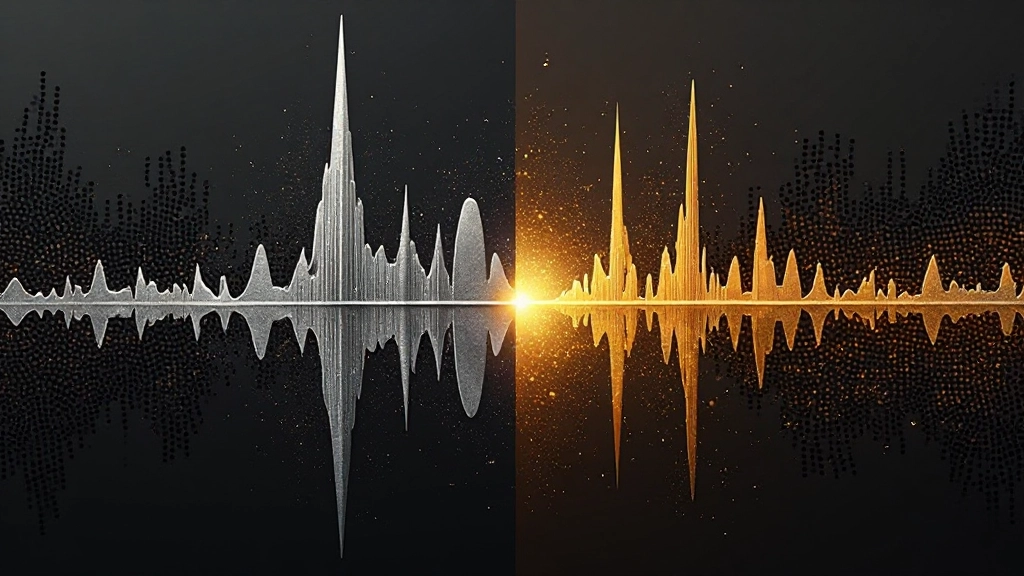
Transparent limiting focuses on peak reduction with minimal audible artifacts. These algorithms work fast, catching transients before they clip while introducing virtually no harmonic distortion or pumping. The goal is to increase perceived loudness without changing the tonal character of your mix.
Musical limiting, on the other hand, intentionally colors the sound. These limiters often incorporate analog-modeled saturation, slower attack times that preserve transient character, and harmonic enhancement that can make elements feel more present. They're designed to be heard, not hidden.
The difference becomes obvious when you A/B them. A transparent limiter on a piano recording should leave the attack and sustain virtually untouched, just preventing digital overs. A musical limiter might add subtle compression-style warmth and make the piano sit more forward in the mix.
When Transparent Limiting Wins
Acoustic recordings benefit most from transparent limiting. When you've captured a great drum room or recorded vocals in a sweet spot, the last thing you want is a limiter changing the natural decay or adding unwanted harmonics.
Jazz, classical, and folk recordings often demand this approach. The source material already has the character it needs, and your job is simply controlling peaks for digital distribution. Same goes for live recordings where the room ambience and natural dynamics are part of the appeal.
Transparent limiting also works better for complex arrangements with lots of frequency content. If you've got strings, horns, vocals, and rhythm section all fighting for space, a musical limiter might add harmonic content that creates more competition. Clean peak control keeps everything clear.
| Material Type | Transparent Limiting | Musical Limiting |
|---|---|---|
| Acoustic Recordings | Preserves natural decay | May color room tone |
| Dense Arrangements | Maintains clarity | Can add frequency competition |
| Live Recordings | Keeps ambience intact | May alter spatial characteristics |
| Classical/Jazz | Respects dynamics | Conflicts with natural expression |
The Case for Musical Limiting
Electronic music often benefits from musical limiting because the source material is already processed. When you're working with synthesized elements, drum machines, and heavily produced vocals, adding harmonic content through limiting can actually enhance the energy.
Hip-hop and EDM producers frequently choose musical limiters because they help glue elements together. The subtle saturation acts like analog console summing, making individual tracks feel like part of a cohesive whole rather than separate digital elements.
Musical limiting can also rescue thin or sterile mixes. If your track sounds technically correct but lacks warmth or presence, a musical limiter might add the character that brings it to life. The key is matching the limiter's flavor to your genre and intent.
Rock and pop productions often land somewhere in the middle, benefiting from musical limiting on drums and bass while keeping vocals and lead instruments more transparent.
Reading Your Mix for the Right Choice
Before choosing a limiting approach, listen to your mix critically. Is it already warm and full of character, or does it need some help in the personality department? A mix that sounds great at moderate levels probably wants transparent limiting to preserve what's working.
Check the frequency balance too. If your low end feels tight and controlled, transparent limiting will maintain that precision. If the bass and kick need more glue and presence, musical limiting might help them lock together.
Pay attention to the stereo image as well. Wide, spacious mixes often benefit from transparent limiting that doesn't mess with the carefully crafted soundstage. Narrower, more focused arrangements might gain punch from musical limiting that adds perceived width through harmonic enhancement.
- Solo your bass and kick: Do they lock together naturally or need help?
- Listen at low volume: Does the mix still feel exciting or does it disappear?
- Check the attack envelope: Are transients crisp or do they need more snap?
- Test mono compatibility: Musical limiting can sometimes improve mono translation
Genre-Specific Limiting Strategies
Different musical styles have developed their own limiting conventions, often based on what the audience expects to hear. Understanding these expectations helps you choose the right tool for the job.
Electronic dance music typically uses musical limiting heavily. The genre evolved alongside digital limiters, and that characteristic saturation is part of the sound. Transparent limiting on a house track might actually sound wrong to trained ears.
Country and Americana productions usually favor transparent limiting, especially on acoustic instruments and vocals. The genre values natural tone and dynamic expression, making invisible peak control the better choice.
Metal presents an interesting case because modern productions often use both approaches. Transparent limiting on the overall mix preserves the detailed guitar work, while musical limiting on drum busses adds the aggressive character the genre demands.
Platform Considerations Change the Game
Streaming platforms have their own loudness normalization, which affects how your limiting choice translates to the final listener experience. Understanding these target levels helps inform your decision.
For streaming, moderate limiting often works better than aggressive peak reduction. Since platforms will normalize your track anyway, preserving dynamics usually beats chasing maximum loudness. This tends to favor transparent limiting for most material.
However, if your track will primarily live on platforms without normalization, or if you're targeting radio play, more aggressive musical limiting might be necessary to compete for attention.
Vinyl mastering almost always benefits from transparent limiting because the medium itself adds character. Musical limiting on top of vinyl's natural compression often creates too much of a good thing.
"The best limiter is the one that serves the music, not the one that sounds impressive in isolation. Sometimes invisible is exactly what you need."
Practical Testing Methods
The best way to choose between transparent and musical limiting is direct comparison using the same source material. Set up an A/B test with both types of limiters achieving similar LUFS levels, then evaluate which serves the music better.
Test on multiple playback systems. Musical limiting might sound great on studio monitors but become fatiguing on earbuds. Transparent limiting might preserve detail but lack impact on phone speakers.
Try the "reference track" test too. Find a commercial release in your genre that you admire, then see which limiting approach gets you closer to that sound and feel. This isn't about copying, but understanding the characteristics that work for your style.
Don't forget to test at different volume levels. Musical limiting often sounds more impressive at moderate listening levels but may reveal artifacts when played quietly. Transparent limiting typically maintains its character across volume ranges better.
Common Limiting Mistakes to Avoid
The biggest mistake is choosing limiting type based on the tool rather than the music. Just because you own a famous musical limiter doesn't mean every track needs that character. Let the source material guide your decision.
Another trap is over-limiting, regardless of which type you choose. Even transparent limiters become obviously audible when pushed too hard. Musical limiters can turn from characterful to destroyed with just a few dB of extra gain reduction.
Watch out for frequency masking too. Musical limiters often emphasize certain frequency ranges, which might conflict with important mix elements. A limiter that adds midrange presence might bury your vocal, even if it sounds great on the instrumental.
Finally, don't forget to check your limiting in context. Solo the limiter output if possible, then compare to the unprocessed mix. The difference should be obvious in terms of loudness but subtle in terms of character, regardless of which approach you choose.
Common Questions About Limiting Styles
Can I use both transparent and musical limiting on the same track?
Yes, many engineers use musical limiting on individual buses (like drums) for character, then apply transparent limiting on the master bus for final peak control. This gives you creative color where you want it while maintaining overall transparency.
How do I know if I'm pushing my limiter too hard?
Listen for pumping, distortion, or loss of transient detail. If the kick drum starts sounding dull or the snare loses its crack, you're probably overdoing it. Most limiters work best with 3-6 dB of gain reduction maximum.
Does transparent limiting really sound completely invisible?
Not quite. Even the most transparent limiters become audible under heavy gain reduction. The goal is minimal coloration, but physics limits how invisible peak reduction can be. Good transparent limiters just hide their artifacts better.
Should I choose limiting style based on my monitoring setup?
Your monitors should be accurate enough to reveal the differences, but don't choose limiting to compensate for monitor deficiencies. Instead, test your limiting decisions on multiple playback systems to ensure they translate well everywhere.
Can musical limiting fix a mix that lacks character?
Musical limiting can add some character, but it works better as enhancement than rescue. If your mix fundamentally lacks personality, address that during mixing rather than trying to fix it with mastering limiting. Use musical limiters to enhance existing character, not create it from scratch.
How does limiting choice affect different streaming platforms?
Since most platforms normalize loudness, your limiting choice affects tone and dynamics more than volume. Transparent limiting often translates better across platforms because it preserves your original mix balance while meeting technical requirements.
Hear what these choices do to your own song.
Upload stems or a finished track, choose a reference direction, and compare a private Moozix mix before you export anything.