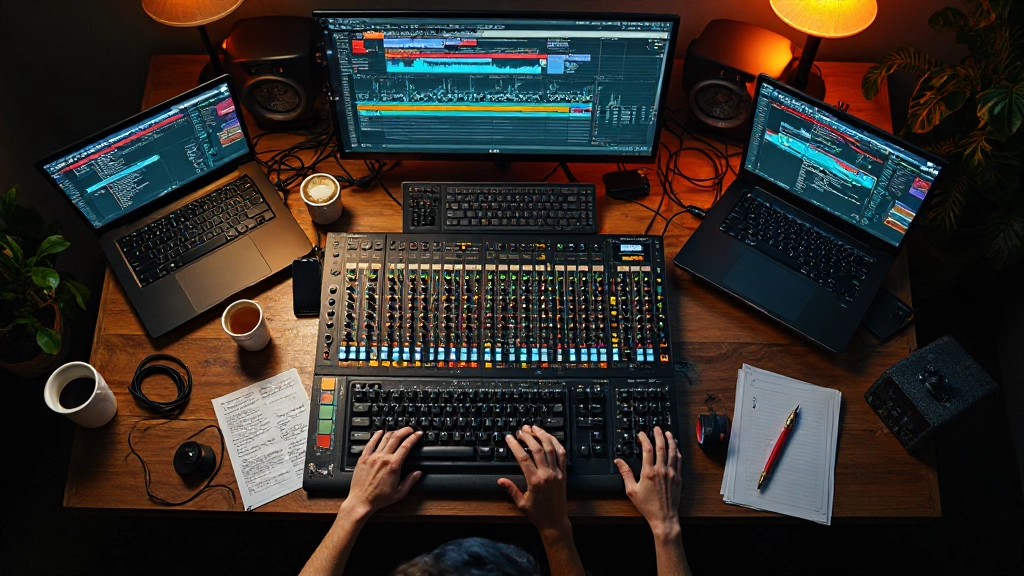
The kick drum hits, the synth pad breathes, and suddenly your static arrangement comes alive. Sidechain compression transforms musical traffic jams into flowing conversations between elements.
Three summers ago, I watched producer Brett Zimmerman rescue a lifeless electronic track with nothing more than strategic sidechain routing. The song had everything technically correct - solid arrangement, clean recording, balanced levels. Yet it sat there like a photograph of music rather than music itself. Twenty minutes later, after connecting a few send channels and tweaking some threshold settings, the same elements pulsed with organic movement.
That session taught me sidechain compression isn't just a tool for dance music pumping effects. It's a fundamental mixing technique for creating space, managing frequency conflicts, and adding rhythmic interest to any genre. These ten focused exercises will develop your instincts for when, where, and how much sidechain processing serves your mix.
Exercise 1: Classic Kick and Bass Dance
Start with the foundation every producer should master. Load a simple kick drum pattern and a sustained bass line or synth pad. Insert a compressor on your bass track and route the kick as the sidechain trigger.
Set your attack time between 1-5 milliseconds for immediate response. Adjust the release to match your song's groove - typically 100-300 milliseconds for house and techno, longer for slower tempos. Begin with a 2:1 ratio and gradually increase threshold until you achieve 2-3 dB of gain reduction per kick hit.
Practice this fundamental relationship until it becomes second nature. Every genre benefits from this technique, even when applied subtly. Rock mixes often use gentle kick-triggered bass compression to prevent low-end buildup without obvious pumping effects.
Exercise 2: Vocal and Instrument Conversation
Create space for lead vocals by sidechaining competing mid-range instruments. Route your lead vocal as the trigger for compression on rhythm guitars, piano, or synth pads that occupy similar frequency ranges.
Use slower attack times (10-30 milliseconds) and gentle ratios (1.5:1 to 2:1) for musical results. The goal isn't obvious ducking but subtle frequency management that allows vocal phrases to cut through dense arrangements.
Brett often applies this technique to acoustic guitar fingerpicking during verse sections. The guitar maintains its character during instrumental breaks but automatically creates space when vocals enter. Listeners perceive better vocal clarity without noticing the compression working.
Exercise 3: Creating Rhythmic Interest in Sustained Elements
Transform static pads and strings into rhythmically engaging elements. Use percussion loops or rhythmic elements as sidechain triggers for sustained harmonic instruments.
Experiment with different trigger sources - hi-hats create subtle movement while full drum buses generate more dramatic effects. Adjust threshold settings to taste, allowing some hits to trigger compression while others pass through normally.
| Trigger Source | Character | Best Applications |
|---|---|---|
| Hi-hats | Subtle shimmer | Ambient pads, reverb tails |
| Snare | Rhythmic punctuation | Sustained synths, organs |
| Full drum bus | Dramatic pumping | Dance music, electronic genres |
| Guitar strums | Organic breathing | Indie rock, folk arrangements |
Exercise 4: Managing Reverb and Delay Tails
Sidechain compression excels at controlling reverb sends and delay returns. Route your dry vocal or instrument as the trigger for compression on its reverb return channel.
This technique prevents reverb from masking new phrases while maintaining the spatial character between vocal lines. Use moderate attack times (5-15 milliseconds) and fast release settings that allow reverb to bloom in gaps.
The result sounds completely natural - reverb appears when there's space for it and disappears when clarity matters most. This approach works particularly well for vocal reverbs in ballads and ambient guitar delays in post-rock arrangements.
Exercise 5: Multi-Band Sidechain Precision
Graduate to frequency-specific sidechain compression using multi-band processors or dynamic EQs. This advanced technique allows surgical control over specific frequency ranges without affecting the entire signal.
Common applications include ducking only the low frequencies of a bass synth when the kick hits, or reducing mid-range buildup in backing vocals during lead vocal phrases. The untriggered frequencies remain untouched, preserving musical character.
Exercise 6: Parallel Sidechain for Depth
Blend compressed and uncompressed signals for complex rhythmic textures. Duplicate your target track, apply heavy sidechain compression to the copy, then blend it with the original at a lower level.
This technique maintains the original's character while adding rhythmic movement underneath. Electronic producers often apply this approach to create evolving pad textures that shift between static and rhythmic qualities throughout a song.
Start with extreme settings on your parallel channel - high ratios, fast attack, medium release - then blend to taste. The uncompressed signal provides consistency while the parallel compression adds excitement.
Exercise 7: Creative Trigger Sources
Break free from traditional kick drum triggers. Experiment with melodic instruments, vocal phrases, or even reversed audio as sidechain sources.
During one memorable session, engineer Dana Walsh used a melodic bass line to trigger compression on atmospheric pads. The result created a conversation between lead and accompaniment elements that perfectly supported the song's emotional arc.
Try using:
- Lead guitar phrases to duck rhythm sections
- Vocal melodies to trigger string arrangements
- Bass lines to control atmospheric elements
- Percussion loops to animate sustained chords
Exercise 8: Stereo Sidechain Sculpting
Apply different sidechain settings to left and right channels for wider stereo imaging. Process each side independently using slightly different trigger sources or timing settings.
This advanced technique creates movement across the stereo spectrum while maintaining mono compatibility. The slight timing differences between left and right compression events generate perceived width without phase issues.
Use this approach sparingly - subtle variations work better than dramatic differences. The goal is enhanced stereo interest, not disorienting movement that distracts from musical content.
Exercise 9: Volume Automation vs. Sidechain Comparison
Understand when traditional automation serves better than sidechain compression. Create identical ducking effects using both volume automation and sidechain processing, then compare the musical results.
Sidechain compression responds dynamically to trigger level variations, while automation provides precise control over timing and amount. Some musical situations benefit from automation's predictability, others from sidechain's responsiveness to performance nuances.
"Sidechain compression breathes with the music. Automation follows the plan. Choose based on whether your mix needs responsiveness or control."
Exercise 10: Genre-Specific Sidechain Applications
Explore how different musical styles utilize sidechain compression. Spend focused time with house music's pumping basslines, pop's vocal clarity tricks, and metal's frequency management techniques.
Each genre has developed specific approaches based on its sonic priorities. House music emphasizes rhythmic pumping that drives dancefloor energy. Pop production uses subtle vocal sidechaining for radio-friendly clarity. Metal applies aggressive frequency ducking to manage complex arrangements.
Study reference tracks from your target genres. Analyze how sidechain compression supports each style's aesthetic goals rather than fighting against them.
Integration and Musical Context
These exercises build technical skills, but musical judgment determines when and how much sidechain processing serves your mix. Heavy pumping effects work perfectly in electronic dance music but destroy intimate acoustic arrangements.
Always start with musical goals, then choose technical approaches that support them. Sometimes the most effective sidechain compression goes completely unnoticed by listeners - they simply perceive better clarity, more engaging rhythms, or enhanced emotional impact.
The key is developing sensitivity to when static mixes need rhythmic breathing versus when they need consistent sustain. Practice these exercises across different musical contexts until your instincts guide your processing decisions.
Remember that sidechain compression affects the entire musical conversation between elements. Each triggered duck creates space for something else to speak. Master this technique, and your mixes will flow with the natural give-and-take that makes great music feel alive.
Hear what these choices do to your own song.
Upload stems or a finished track, choose a reference direction, and compare a private Moozix mix before you export anything.