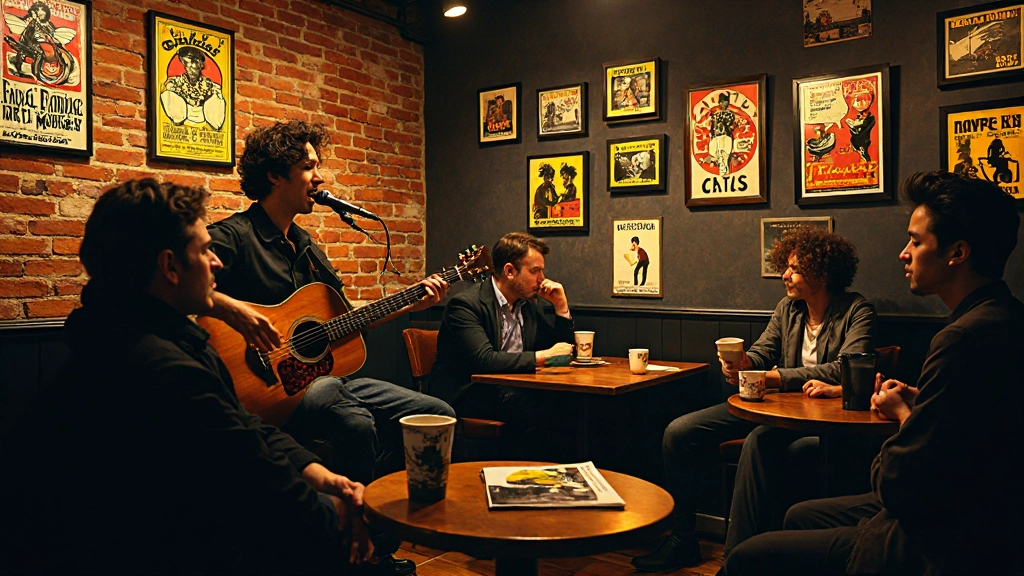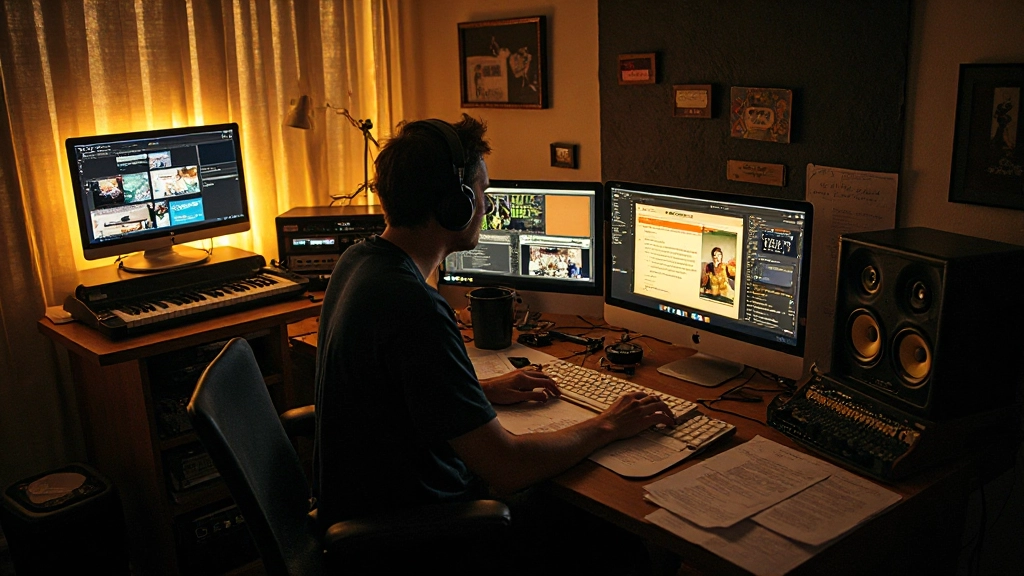
Randy Thompson stared at his Instagram analytics one Tuesday morning in 2019, watching his reach drop to 2% of his followers. After building an audience of 15,000 fans over three years, the algorithm had essentially made him invisible overnight. That moment changed everything about how he thought about connecting with listeners.
Six months later, Randy had built a more engaged fanbase of 800 people who actually bought his music, attended his shows, and shared his work with friends. The difference? He stopped chasing social media validation and started building real relationships.
The Algorithm Exodus: Why Musicians Are Going Direct
The numbers tell a stark story. Organic reach on major platforms has plummeted while advertising costs have skyrocketed. Musicians who spent years building followings now struggle to reach even their most dedicated fans without paying for promotion.
Veteran producer Beth Cahill noticed the shift when artists started coming to her studio frustrated about their online presence. "They'd have thousands of followers but couldn't sell 50 albums," she explains. "The disconnect between social media metrics and actual fan engagement was becoming impossible to ignore."
The solution isn't abandoning digital marketing entirely. Instead, it's about building owned channels where you control the relationship with your audience. When Randy pivoted away from social media dependence, he discovered methods that not only reached his fans more effectively but also created deeper connections.
Email Lists: Your Digital Concert Hall
Email might seem outdated, but it remains one of the highest-converting communication channels for musicians. Unlike social media posts that might reach 3-5% of your followers, emails land directly in your fans' inboxes with open rates averaging 20-25% for music industry newsletters.
The key is treating your email list like a VIP section at your concert. Randy transformed his approach by sharing studio updates, demo snippets, and personal stories rather than just promotional announcements. His open rates jumped from 18% to 42% within four months.
Building Your Email Strategy
- Offer exclusive content: Demos, alternate versions, or studio footage available only to email subscribers
- Share your process: Document song creation, mixing decisions, or creative challenges
- Create anticipation: Tease upcoming releases with behind-the-scenes content
- Be consistently valuable: Every email should offer something interesting, not just ask for something
Producer Miguel Santos started sending weekly "Studio Diary" emails to fans, sharing mixing techniques he was experimenting with alongside clips of works in progress. "It became this intimate conversation about creativity," he says. "Fans started replying with their own music and questions about production."
Direct Fan Engagement Through Live Connection
While streaming platforms democratized music distribution, they also created distance between artists and listeners. The musicians building sustainable careers are finding ways to recreate that intimate connection digitally.
"The fans who stick around are the ones who feel like they know you as a person, not just as a playlist addition."
Beth Cahill, Producer
Live streaming offers one powerful solution. Unlike polished social media posts, live streams create real-time interaction. Randy began hosting weekly "Studio Sessions" where fans could watch him work on new material and ask questions in real time. These sessions averaged 40-60 viewers but generated more meaningful engagement than his social media posts ever had.
Live Engagement Techniques That Work
| Method | Best For | Engagement Level |
|---|---|---|
| Weekly studio streams | Process-focused fans | High - Direct interaction |
| Q&A sessions | Building personal connection | Very High - Two-way conversation |
| Collaborative listening | Music discovery together | Medium - Shared experience |
| Production tutorials | Musicians and producers | High - Educational value |
Website as Home Base: Creating Your Digital Venue
Your website should function like your home venue - a space entirely under your control where fans can discover everything about your music. Many musicians treat their website as an afterthought, but it's actually your most powerful marketing tool.
When mixing engineer Clara Rodriguez redesigned her artist website, she focused on creating an experience rather than just displaying information. She embedded audio players for each release, included detailed liner notes about the creative process, and created a "Sound Library" where fans could explore the individual elements that went into her productions.
Essential Website Elements for Fan Connection
- Embedded music players - Let fans listen without leaving your site
- Song stories - Context and meaning behind each track
- Email signup prominently featured - Make it easy to join your direct line
- Show calendar - Keep fans updated on live opportunities
- Contact form - Enable direct fan communication
Community Building Through Shared Interest
The most successful musicians going beyond social media aren't just building audiences - they're building communities around shared interests and values. This means identifying what connects your fans beyond just liking your music.
Randy discovered that many of his fans were bedroom producers struggling with the same mixing challenges he'd faced early in his career. He started a monthly "Mix Feedback" video call where fans could share works in progress and get input from both Randy and other community members.
"It stopped being about promoting my music and became about supporting a community of creators," Randy explains. "But the interesting thing was that when I did release something new, these people became my biggest champions because they felt invested in my success."
Community Building Strategies
- Identify shared interests: What do your fans care about beyond your music?
- Create regular touchpoints: Monthly calls, weekly emails, quarterly meetups
- Facilitate fan-to-fan connection: Help your audience connect with each other
- Provide value consistently: Education, entertainment, or emotional support
Collaborative Marketing: Partnering Without Platforms
One of the most effective alternatives to social media marketing involves direct collaboration with other musicians. This creates cross-pollination between fanbases without depending on algorithmic visibility.
Producer Beth Cahill organized "Producer Showcases" - small listening parties where multiple artists would premiere new work for an intimate audience of industry professionals and dedicated fans. These events created buzz through word-of-mouth rather than social media posts.
"We'd have maybe 30 people at these events, but they were the right 30 people," Beth explains. "Record label A&Rs, music journalists, other musicians, super fans. The connections made at one evening would generate more opportunities than months of social media posting."
Direct Collaboration Ideas
| Collaboration Type | Time Investment | Potential Reach |
|---|---|---|
| Cross-promotion with similar artists | Low | Moderate |
| Joint live streams | Medium | High |
| Collaborative playlisting | Low | Moderate |
| Shared listening parties | High | Very High |
| Group email campaigns | Medium | High |
Measuring Success Beyond Vanity Metrics
When you shift away from social media marketing, traditional metrics like followers and likes become irrelevant. Instead, focus on measurements that indicate genuine fan engagement and business success.
Randy tracks metrics that actually correlate with his music career growth: email open rates, website session duration, direct fan messages, show attendance, and most importantly, music sales and streaming from identified sources.
"My email list is one-tenth the size of my old Instagram following, but it generates ten times more actual engagement and sales," Randy notes. "The math is pretty clear when you stop confusing visibility with value."
Meaningful Metrics to Track
- Email engagement rates - Opens, clicks, and replies
- Direct music sales - Purchases from email and website traffic
- Show attendance - Fans who show up to live events
- Fan-initiated contact - Messages, emails, and direct outreach
- Word-of-mouth referrals - New fans from existing fan recommendations
The Long Game: Building Lasting Fan Relationships
Moving away from social media marketing requires patience and a fundamental shift in how you think about fan relationships. Instead of chasing viral moments and algorithmic peaks, you're building something more sustainable and ultimately more valuable.
Clara Rodriguez reflects on her transition: "It took about eight months to really see the difference, but once it clicked, everything changed. My fans became collaborators, supporters, and friends rather than just numbers on a screen."
The musicians succeeding with direct fan engagement share certain characteristics: they're consistent, authentic, and genuinely interested in building relationships rather than just promoting music. They understand that sustainable music careers are built on foundations of trust and mutual respect with listeners.
Long-term Relationship Building
- Consistency over intensity: Regular, valuable contact beats sporadic promotional blasts
- Reciprocity: Show genuine interest in your fans' lives and creative work
- Transparency: Share both successes and struggles honestly
- Evolution: Let your fan relationships grow and change as you develop as an artist
The path from bedroom to broadcast doesn't require social media algorithms or viral marketing campaigns. It requires patience, authenticity, and a commitment to building real connections with people who genuinely connect with your music. Randy's smaller but more engaged fanbase has supported him through three album releases, multiple tours, and the launch of his own small label - all without depending on social media reach.
"When you build direct relationships with fans, you're not at the mercy of platform changes or algorithm updates," Randy concludes. "You have a foundation that's actually yours, and that makes all the difference in building a sustainable music career."
Hear what these choices do to your own song.
Upload stems or a finished track, choose a reference direction, and compare a private Moozix mix before you export anything.