Quick Takeaways
- Coffee shops and small venues offer direct fan connection opportunities that streaming can't match
- Post-performance contact collection beats social media follows for building real relationships
- Local venue relationships create recurring performance opportunities and word-of-mouth growth
- Acoustic arrangements and intimate settings let your songwriting shine without production polish
- Physical merchandise and direct conversation convert casual listeners into dedicated supporters
- Regular local presence builds community recognition faster than online-only promotion
You've got your songs dialed in, your recording setup working, and a few tracks you're proud of. But when it comes to building an actual fanbase, the endless scroll of social media feels like shouting into the void. Here's what most musicians miss: the coffee shop down the street might be worth more than a thousand Instagram followers.
Local gigging isn't about playing to empty rooms hoping for a break. It's about turning face-to-face interactions into genuine connections that actually support your music long-term. Every small venue performance is a chance to build relationships that streaming algorithms can't replicate.
Why Small Venue Connections Beat Digital Marketing
When someone hears your song on Spotify, they might hit follow and forget you exist. When someone hears you play live at their neighborhood coffee shop, they remember the moment, the conversation afterward, and the feeling your music gave them in that space.
Small venues create context for your music that digital platforms can't provide. Your acoustic version of that song you've been perfecting in your home studio hits differently when someone's listening over their morning coffee. The intimacy forces you to connect with your material in a way that translates directly to the listener.
Local performances also solve the discovery problem. Instead of hoping the algorithm shows your track to the right person, you're playing directly for people in your community who can become genuine supporters. These aren't passive listeners—they're potential advocates who will tell friends about the musician they discovered at their favorite venue.
The feedback loop is immediate and honest. You can see which songs land, which lyrics resonate, and which arrangements need work. That real-time response helps you develop your material in ways that bedroom recordings never could.
How Do You Find Venues That Actually Want Live Music?
Not every coffee shop books music, and cold-calling random venues wastes everyone's time. Start by identifying spaces that already support local artists. Look for venues with small stages, sound systems, or regular event calendars that mention live music.
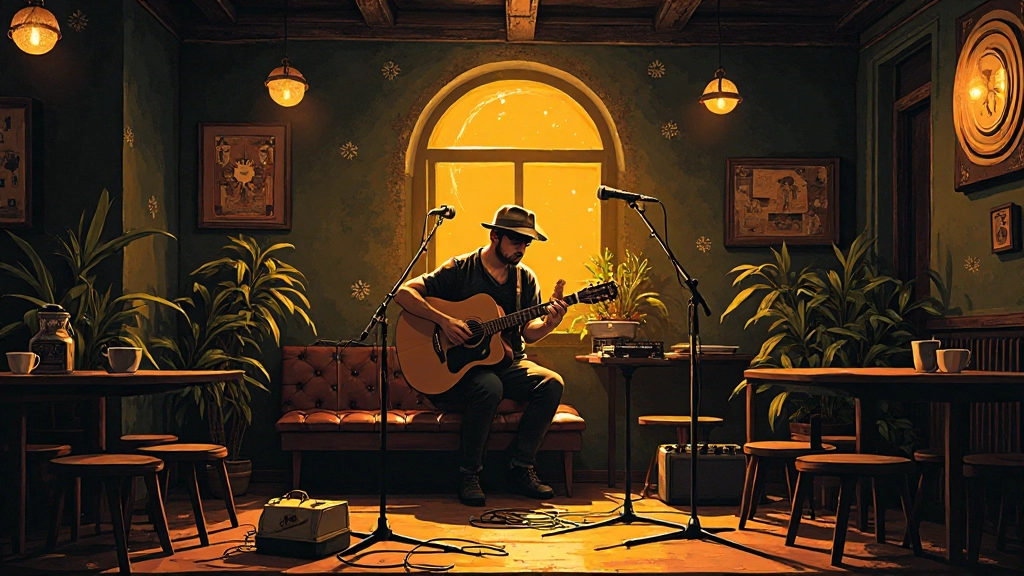
Walk through your neighborhood and note which places have the right setup. A venue with 15-30 seats, minimal ambient noise, and a corner where you could set up gear is ideal. Avoid places that rely on high customer turnover or have TVs dominating the atmosphere.
Check venue social media for posts about previous performers. If they're tagging local musicians and posting photos of acoustic sets, they're already committed to supporting live music. If their feed is just food photos, they might not be the right fit.
Visit during the time slot you'd want to perform. A coffee shop might be perfect for afternoon acoustic sets but completely wrong for evening performances if they close early or switch to a different vibe. Observe the customer flow and noise levels to understand what would work.
When you approach venue owners, lead with what you can offer their business. Mention that you bring friends, family, and fellow musicians who will buy drinks and food. Frame your performance as adding value to their space, not just getting a platform for your music.
Setting Up Acoustic Arrangements That Connect
Your full-band studio recordings might not translate to solo acoustic performance, but that's an opportunity, not a limitation. Stripped-down arrangements let your songwriting and vocal delivery carry the moment without production tricks.
Choose songs with strong melodic hooks and clear lyrical content. Instrumental breaks that sound great in your mix might create awkward silence in a coffee shop. Focus on material where your voice and primary instrument can maintain energy and interest throughout.
Practice transitioning between songs smoothly. In small venues, silence between tracks feels longer and more noticeable than in larger spaces. Develop brief, natural-sounding introductions or stories that connect your material without over-explaining.
Consider alternate tunings or capo positions that put your voice in a comfortable range for extended performance. What works in your home studio might strain your vocals after 45 minutes of live singing. Adapt your arrangements to support your voice, not challenge it.
Prepare more material than you think you'll need. Small venue sets often run longer than expected, and having extra songs ready prevents awkward repetition or premature endings. Plan for 60-90 minutes of material even if you're only expecting to play 45 minutes.
Direct Contact Collection That Actually Works
Social media follows are easy to get and easy to ignore. Email addresses and phone numbers represent genuine interest and create direct communication channels that platforms can't control or monetize.
After your set, position yourself near the exit with a simple signup sheet and pen. Ask people if they'd like to hear about your next local shows. Frame it as local event updates, not general music promotion. People are more likely to share contact info for specific, relevant events than generic marketing.
Offer something immediate in exchange for contact information. A simple business card with a link to download one of your songs creates value and gives people a reason to engage. Make sure the download link works and leads to high-quality audio files, not streaming platform redirects.
Keep the signup process simple. Ask for first name and email address, nothing more. Complicated forms or too many fields reduce participation. A clipboard with clearly printed lines and spaces makes the process quick and non-intimidating.
Follow up within 48 hours with a brief thank-you message and information about your next performance. Include the song download if you promised one, and mention something specific about the venue or the evening to personalize the message.
Maintain a simple spreadsheet or contact management system that tracks where you met each contact and what they expressed interest in. This information becomes valuable for targeting future communications and understanding which venues generate the most engaged supporters.
Venue Relationship Building for Repeat Bookings
One-off performances rarely build significant fanbases. Regular appearances at the same venues create anticipation and allow relationships to develop over time. Venue owners book acts that bring business and create positive atmospheres consistently.
Treat every performance professionally, regardless of audience size. Arrive on time, stick to agreed-upon volume levels, and leave the space clean. Venue owners remember musicians who make their jobs easier, not necessarily those who play the best music.
Bring supporters to your shows and encourage them to buy food and drinks. Venues care about revenue, and performers who generate sales get invited back. Mention the venue's food or drink offerings during your set to subtly encourage purchases.
Offer to help promote the venue through your own networks. Tag them in social media posts, mention them in email updates to your contact list, and include their information when promoting shows. This reciprocal promotion builds stronger business relationships.
Suggest specific future dates rather than waiting for venues to reach out. After a successful performance, mention that you'd love to return in six to eight weeks and propose a specific date. This proactive approach shows commitment and makes booking easier for venue managers.
Connect venue owners with other quality local musicians. Becoming a resource for good acts makes you valuable beyond your own performances. Venue owners will prioritize musicians who help them solve booking challenges consistently.
Merchandise Strategy for Small Venue Sales
Physical merchandise at small venues creates additional revenue streams and gives fans tangible connections to your music. Unlike online merch stores, face-to-face sales allow for personal recommendations and immediate transactions.
CDs still work in small venue contexts, especially for older audience members who value physical media. Burned CDs with printed labels cost under two dollars each and can sell for ten to fifteen dollars. Include liner notes with lyrics and contact information.
Simple merchandise like stickers or buttons with your band name and contact information costs pennies to produce and gives people an easy way to remember you. These items work as conversation starters and create visibility when people use them.
Offer bundle deals that combine multiple items at a slight discount. A CD plus sticker for a round number price point makes purchasing decisions easier and increases average transaction values. Keep pricing simple with easy-to-make-change amounts.
Accept multiple payment methods including cash, cards, and digital payments. Small venue audiences span different age groups and payment preferences. A simple mobile card reader eliminates "cash only" sales barriers.
Display merchandise visibly but not aggressively. A small table near where you perform with clear pricing and a "help yourself" sign works better than active sales pitches during your set. Let the music create interest, then make purchasing convenient.
Post-Show Follow-Up That Builds Long-Term Fans
The conversation after your last song often matters more than the performance itself. How you interact with people in those few minutes determines whether they become supporters or just audience members who enjoyed an evening.
Stay available for at least 15-20 minutes after finishing your set. Pack your gear efficiently but don't rush out. People need time to decide whether they want to approach you, and leaving immediately signals disinterest in connection.
Ask genuine questions about people's musical interests and listening habits. Find out what artists they enjoy, what venues they frequent, and what draws them to live music. This information helps you understand your audience and creates natural conversation flow.
Mention other local musicians and venues you respect. Position yourself as part of the local music community, not just someone trying to build a personal following. This approach creates goodwill and demonstrates that you're invested in the local scene.
Exchange contact information with other musicians who attend your shows. Local music communities are interconnected, and relationships with fellow artists often lead to collaboration opportunities, shared bills, and cross-promotion possibilities.
Remember details about conversations and reference them in future interactions. When you see someone at your next show, mentioning that previous conversation creates continuity and shows that you value them as individuals, not just audience members.
Common Local Promotion Mistakes That Kill Momentum
Over-promoting single shows through social media without building venue relationships creates short-term thinking that undermines long-term growth. People get tired of promotional posts, but they'll attend regular performances by artists they connect with personally.
Playing too loudly for small spaces alienates venue owners and customers. Coffee shops and small venues have acoustic requirements that support conversation and comfortable atmosphere. Overpowering the space demonstrates poor judgment and prevents return bookings.
Focusing only on original material without including recognizable covers can lose audience attention in small venues. Strategic cover song choices create familiarity and give people entry points into your musical style. Balance original songs with covers that fit your arrangement approach.
Neglecting to research venue clientele and choosing inappropriate material for the context kills the atmosphere. A venue that caters to families during afternoon hours requires different song selection than an evening wine bar. Match your material to the venue's established vibe.
Treating small venues as stepping stones to bigger opportunities rather than valuable opportunities in themselves creates short-sighted career planning. Small venues often provide more direct fan interaction and better profit margins than larger venues with higher overhead and more competition.
Waiting for perfect material or professional-level recordings before performing live prevents you from developing stage presence and audience connection skills. Small venues are ideal for testing new songs and arrangements without high-pressure stakes.
Monthly Performance Schedule That Builds Recognition
Consistent local presence creates recognition and anticipation that sporadic performances can't achieve. Plan a sustainable monthly schedule that allows for preparation and prevents oversaturation in your local market.
Rotate between three to four venues each month to avoid overwhelming any single location while maintaining regular visibility in your area. This approach lets you build relationships with multiple venue owners while giving each location time to promote and prepare for your return.
Schedule performances during different time slots to reach various audience segments. Afternoon coffee shop sets reach different people than evening wine bar performances. Experiment with timing to understand when your music connects best in each venue.
Plan two months ahead whenever possible to give venues time for promotion and to secure optimal dates before other acts book them. Consistent advance planning demonstrates professionalism and makes venue relationships stronger.
Track which venues generate the most engaged audience response, contact signups, and merchandise sales. Focus more energy on venues that produce results while maintaining relationships with others for variety and schedule flexibility.
Build breaks into your schedule for new material development, recording projects, and personal sustainability. Performing every week can lead to burnout and prevent you from growing musically. Monthly performance schedules provide momentum without overwhelming your creative development time.
Revenue Tracking for Local Performance Sustainability
Understanding the financial realities of local gigging helps you make sustainable career decisions and identify which venues and strategies produce actual results. Track multiple revenue streams to get accurate pictures of what local performance can provide.
Monitor venue payments, merchandise sales, tip income, and contact acquisition separately. Some venues might pay well but generate few fan connections, while others might provide low direct payment but excellent merchandise sales and contact collection opportunities.
Calculate your true costs including transportation, equipment wear, time investment, and opportunity costs. Factor in setup and breakdown time, travel time, and post-show networking time to understand your actual hourly earnings from each performance.
Track correlation between different promotional strategies and attendance levels. Note whether social media posts, email promotions, word-of-mouth referrals, or venue promotion generate the most audience response. Focus energy on tactics that produce measurable results.
Document which merchandise items sell best at different venues and time slots. Afternoon audiences might prefer different products than evening crowds. Use this data to optimize your merchandise selection and pricing for each context.
Compare local performance revenue to streaming income and other music-related earnings. Local gigging might not replace other income immediately, but tracking progress helps you make informed decisions about time and energy allocation. Set realistic goals based on actual data rather than hopes or industry myths.
How to Use Local Success for Broader Opportunities
Strong local performance presence creates credibility and experience that translates to opportunities beyond your immediate area. Document your local success in ways that demonstrate your value to venues, festivals, and collaborators in other markets.
Maintain a simple performance log with venue names, dates, audience sizes, and notable responses or feedback. This information becomes valuable when approaching new venues or applying for festival slots that require performance history.
Collect photos and short videos from your performances, focusing on audience engagement rather than just stage shots. Venues want to book acts that create positive atmospheres, and documentation of engaged audiences speaks louder than production shots.
Develop relationships with local music journalists, bloggers, or venue reviewers who might cover your performances. Local press coverage, even brief mentions, creates external validation that helps when approaching venues in new markets.
Use your local contact list to support crowdfunding campaigns, album pre-sales, or tour planning. A dedicated local fanbase provides the foundation for larger projects and demonstrates to industry professionals that you can build and maintain supporter relationships.
Consider local performance experience when booking travel to other cities. Research venues in destinations you plan to visit and propose performances that give you experience in new markets while offsetting travel costs. Many cities have venue networks similar to your home market.
Connect with musicians in other cities who have similar local performance strategies. Exchange information about venues, booking contacts, and local promotion tactics. These relationships can lead to house concert opportunities, shared bills, and promotional support when you travel.
Before Your Next Coffee Shop Set: Final Preparation Checklist
Your local performance strategy needs consistent execution to build momentum. Review these final preparation elements before your next small venue performance to maximize connection opportunities and long-term fan development.
Confirm your song list covers 60-90 minutes of material with smooth transitions and appropriate volume levels for the venue size. Practice introductions and between-song comments that feel natural and connect your material to the venue context.
Prepare contact collection materials including signup sheets, pens, business cards, and any promised digital downloads. Test download links and ensure file quality meets the standard you want to represent your music.
Pack merchandise with clear pricing and easy payment options. Include small bills for change and verify that your mobile payment systems work properly. Arrange display materials that look professional without overwhelming the venue space.
Plan your post-performance networking approach. Identify specific goals for contact collection, venue relationship building, and audience interaction. Stay available after your set for genuine conversation and connection building.
Schedule follow-up communications for new contacts within 48 hours. Prepare template messages that you can personalize with venue-specific details and individual conversation references.
Consider using Mix Feedback to get professional input on your acoustic arrangements before performing them live. Small venue performances expose every detail of your songwriting and delivery, so ensuring your arrangements translate well can make the difference between connecting with audiences and losing their attention.
Common Questions About Local Music Performance Strategy
How many songs should I prepare for a coffee shop set?
Prepare 60-90 minutes of material even for shorter planned sets. Small venues often extend performance time, and having extra songs prevents awkward repetition. Focus on acoustic arrangements that showcase your songwriting without requiring full-band production elements.
What's the best way to collect contact information without seeming pushy?
Position a simple signup sheet near the exit with a pen attached. Ask people if they'd like updates about future local shows rather than general music promotion. Offer something immediate like a song download in exchange for their email address.
How often should I perform at the same venue?
Monthly appearances work well for most small venues. This frequency builds recognition without oversaturating the location. Rotate between 3-4 venues each month to maintain regular local presence while giving each venue time to promote your return.
Should I focus on original songs or include covers for small venues?
Balance both strategically. Include recognizable covers that fit your arrangement style to create familiarity, then introduce original material. Cover songs give audiences entry points into your musical approach and keep attention during unfamiliar original songs.
What merchandise actually sells at coffee shop performances?
CDs with printed labels work well for older audiences, while stickers and buttons appeal to younger listeners. Keep pricing simple with round numbers and accept multiple payment methods. Bundle items at slight discounts to increase average transaction values.
How do I know if a venue wants live music before approaching them?
Visit during your preferred performance time and observe the setup. Look for small stages, sound systems, or social media posts featuring local musicians. Venues with 15-30 seats and minimal ambient noise typically work best for acoustic performances.
Hear what these choices do to your own song.
Upload stems or a finished track, choose a reference direction, and compare a private Moozix mix before you export anything.