Your local music scene holds more potential than any streaming platform algorithm. While bedroom producers chase viral moments online, smart artists are building real connections with fans who actually show up to shows, buy merchandise, and spread the word through genuine conversations. The difference between a hobby and a sustainable music career often starts with mastering your own backyard.
Quick takeaways
- Open mics and jam sessions create natural networking opportunities with minimal commitment
- Cross-genre collaboration expands your reach beyond your immediate musical circle
- Local radio stations and venues need content and are more accessible than you think
- Record store partnerships and coffee shop performances build genuine fan relationships
- House concerts and listening parties create intimate experiences that translate to lasting support
Finding Your Scene's Hidden Networks
Every city has multiple overlapping music communities that most artists never discover. The singer-songwriter circle rarely intersects with the electronic music crowd, and the jazz musicians might not know the indie rock venues exist. Here's where opportunity lives.
Start by mapping the venues in your area, but look beyond the obvious clubs. Pizza joints often host acoustic nights. Bookstores run poetry readings that welcome musical interludes. Art galleries throw monthly events that need background music or featured performers. Coffee shops rotate local artists for weekend slots.
The key move is showing up consistently as a listener first. Attend shows in genres you don't play. Strike up conversations with other audience members. Ask performers about their experience with different venues. Take notes on which nights draw crowds and which ones struggle for attendance.
| Venue Type | Best Approach | Typical Timeline | What They Need |
|---|---|---|---|
| Coffee Shops | Direct conversation with manager | 2-4 weeks | Ambient performers who don't overpower conversations |
| Record Stores | Propose in-store acoustic sets | 1-2 months | Artists who draw their target demographic |
| Art Galleries | Connect through opening receptions | 2-3 months | Music that complements visual art without competing |
| Restaurants | Pitch during slower weekday hours | 1-3 weeks | Professional setup with reliable sound levels |
| House Venues | Network through existing performers | Ongoing relationships | Artists who understand intimate performance dynamics |
The Cross-Pollination Strategy
Your biggest growth happens when you bridge different musical communities. Electronic producers who collaborate with singer-songwriters access both fan bases. Jazz musicians who sit in with rock bands create unexpected connections.
Look for collaboration opportunities that make musical sense but cross social boundaries. A folk guitarist might add acoustic elements to a hip-hop producer's tracks. A drummer could offer services to multiple bands across different genres. These partnerships create natural introductions to new audiences.
Document these collaborations properly. When you're featured on someone else's track, make sure both artists promote it to their respective circles. Set up joint performances where each artist brings their existing fans to discover the other. Create collaborative playlists that showcase the partnership alongside each artist's solo work.
Turning Casual Listeners Into Core Supporters
The difference between someone who enjoyed your set and someone who becomes a real fan lies in the follow-up connection. Social media makes this feel automatic, but in-person networking requires more intentional steps.
Always carry simple contact cards with your name, genre, and primary way to hear your music. Not social media handles, but direct links to streaming platforms or a simple website. Keep these interactions about the music, not the marketing.
- Follow up within 48 hours with a personal message referencing your conversation
- Invite new connections to your next appropriate show, not every show
- Share opportunities that might benefit other local artists you've met
- Remember personal details and reference them in future interactions
- Offer genuine value before asking for favors or promotion
Local Media That Actually Matters
Every city has media outlets desperate for local content. College radio stations need programming. Weekly newspapers need arts coverage. Local blogs need interview subjects. The barrier to entry is much lower than national media, and the impact on your local scene can be significant.
Research who covers music in your area and what format they prefer. Some radio hosts love in-studio performances. Others want pre-recorded material with talking points. Some bloggers prefer written Q&As while others want phone interviews.
Prepare your pitch around local relevance. Don't just describe your music; explain your connection to the local scene. Mention venues you've played, other local artists you've worked with, upcoming shows that readers might attend. Make yourself part of the story they're already telling about your city's music culture.
The most successful local artists understand that community building requires consistent presence, not just periodic performances. Show up for other people's events, support other artists' projects, and contribute to the scene even when you're not on stage.
Creating Events That Build Community
Instead of always trying to get booked on existing shows, consider creating your own events that bring the community together. House concerts, listening parties, songwriter circles, and gear swap meets all serve the local music scene while positioning you as a connector.
House concerts work particularly well for acoustic and indie artists. Find someone with a suitable living space who's willing to host. Keep the audience small, maybe 15-25 people. Charge enough to compensate the performer but not so much that it feels commercial. Create an intimate experience that people remember and talk about.
Listening parties for new releases give fans a reason to gather and celebrate your work together. Rent a small venue or use a friend's space. Play the album start to finish, then open up for discussion. Provide some simple food and drinks. Let people ask questions about the recording process or the stories behind the songs.
Record Shops and Retail Partnerships
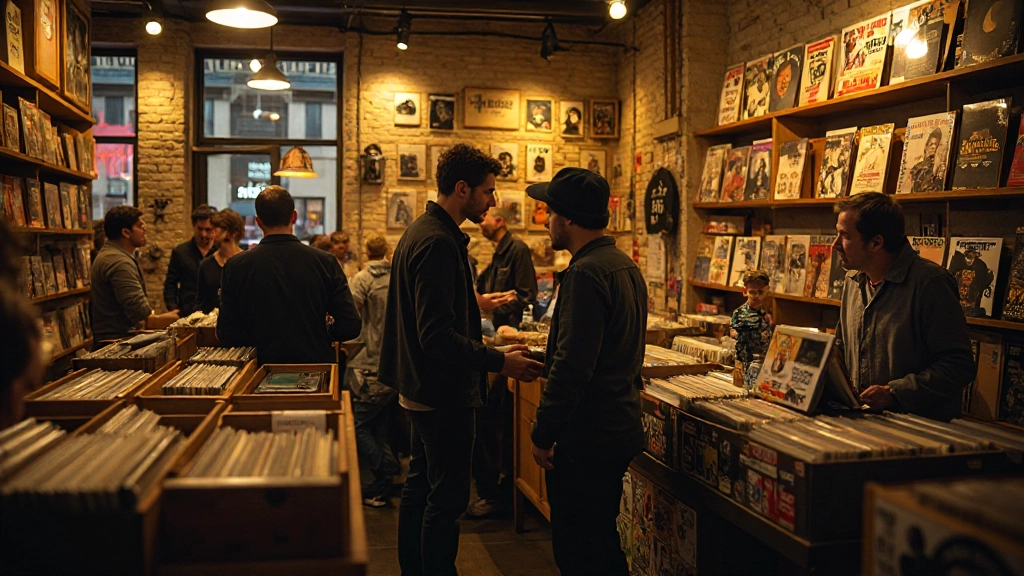
Local record stores, instrument shops, and music-related retailers need events to draw customers. They also understand the local music scene better than most venue owners. Building relationships with these businesses creates multiple opportunities for exposure and sales.
Propose in-store performances during busy shopping periods. Offer to do gear demonstrations at instrument stores if you're known for a particular sound or setup. Suggest listening parties for new releases where the store gets a percentage of sales. Create bundle deals where album purchases include small merchandise items.
These partnerships work because they serve the business's needs while giving you access to music fans in a low-pressure environment. People browsing records are already in a music discovery mindset. They're more likely to engage with new artists than random social media users.
The Long Game of Local Loyalty
Building a local following takes time, but it creates a foundation that online promotion can't replicate. Local fans attend shows consistently, buy merchandise, and bring friends. They provide word-of-mouth marketing that feels authentic because it comes from trusted personal connections.
Track your local connections systematically. Keep notes on venue bookers, fellow musicians, media contacts, and dedicated fans. Remember what matters to each person. Send occasional updates about your musical progress, but focus more on maintaining genuine relationships.
When you eventually tour or pursue opportunities outside your city, your local scene becomes a proving ground that demonstrates real support. Booking agents and labels take notice when artists can consistently draw crowds in their hometown. Your local scene validates that your music connects with real people in real spaces.
Common questions about local music networking
How do I approach venue owners without seeming pushy?
Attend their existing shows first and introduce yourself as a supporter of local music. Ask about their booking process and preferred genres before pitching yourself. Mention specific shows you enjoyed at their venue to demonstrate genuine interest in their space.
What if my city doesn't seem to have an active music scene?
Look for related creative communities like art galleries, poetry readings, or theater groups that might welcome musical elements. Consider organizing informal jam sessions or songwriter meetups. Sometimes the scene exists but lacks organization rather than participants.
Should I focus on my genre or try to connect with all local musicians?
Start with your genre for booking and collaboration opportunities, but build relationships across styles for broader networking. Electronic producers and acoustic songwriters might not share bills often, but they can refer each other for different venue needs.
How do I handle competition with other local artists?
Focus on collaboration and mutual support rather than competition. Recommend other artists for opportunities that don't fit your style. Share bills willingly and promote shows even when you're not performing. A rising tide lifts all boats in local scenes.
What's a realistic timeline for building local recognition?
Expect 6-12 months of consistent participation before seeing significant results. Regular show attendance, a few performances, and genuine relationship building typically create noticeable momentum within a year of focused effort in most cities.
How do I transition local success into broader opportunities?
Document your local achievements with photos, testimonials, and attendance numbers. Use local media coverage and venue relationships as credentials when approaching regional bookers. Your hometown success becomes proof that your music resonates with real audiences.
Hear what these choices do to your own song.
Upload stems or a finished track, choose a reference direction, and compare a private Moozix mix before you export anything.