Social media algorithms are making it harder to reach the fans you already have, let alone find new ones. Many musicians are discovering that the old-school approach of building local connections and maintaining direct communication channels often creates stronger, more reliable fan relationships than chasing likes and shares. The challenge is knowing how to build these connections systematically without getting lost in the noise.
Quick takeaways
- Local venues offer the most direct path to engaged fans who will actually show up
- Email lists convert 10-20x better than social media posts for show announcements
- One-on-one conversations after shows build deeper connections than hundreds of online followers
- Collaborative shows with complementary artists expand your audience organically
- Regular local presence creates a reliable fanbase that supports touring efforts
- Direct fan communication bypasses algorithm changes and platform dependencies
Why Local Venue Relationships Matter More Than Online Reach
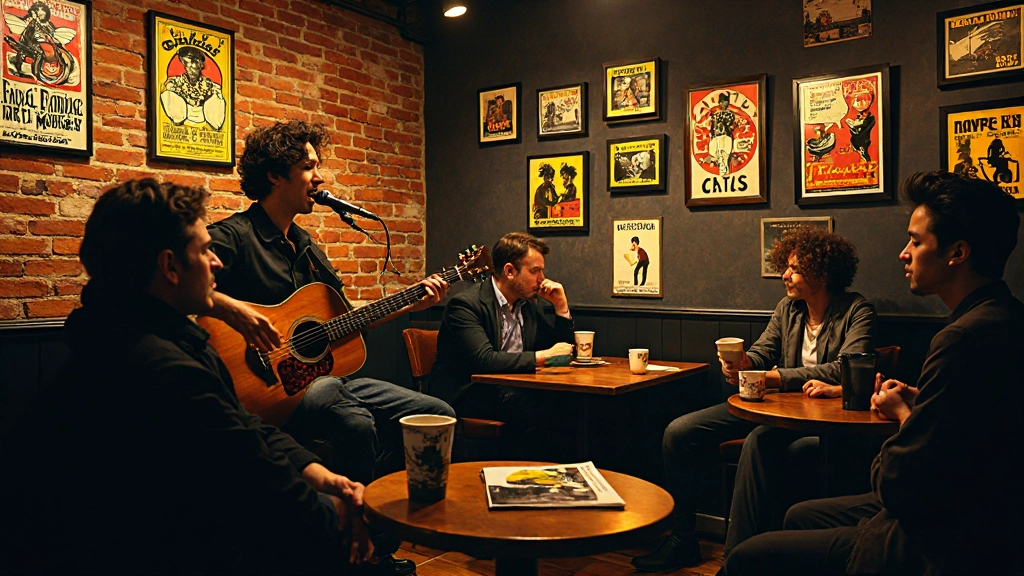
A packed 50-person room beats a thousand Instagram followers who never buy tickets. Local venues provide something social media cannot: real-time feedback, immediate sales opportunities, and face-to-face conversations that turn casual listeners into committed fans. When you play regularly at local venues, you create a predictable way for people to discover and connect with your music.
Venue relationships also compound over time. Bookers remember artists who bring crowds and behave professionally. Sound engineers appreciate musicians who understand their gear and show up prepared. Bartenders notice when certain acts drive drink sales. These relationships become referral networks that open doors to better slots, festival opportunities, and regional touring connections.
The key is treating venues as partners rather than just booking targets. This means understanding their business model, respecting their staff, and thinking about how your performance contributes to their overall success.
Building Your Local Venue Network
Start by mapping venues within a 30-minute drive that book music similar to yours. Visit them as a customer first. Watch how they run shows, observe their crowd, and note what kinds of acts get the best response. This research helps you approach them with realistic expectations and relevant proposals.
When reaching out, lead with value rather than need. Instead of "We're looking for a gig," try "We have a new EP release coming up and think our sound would fit well with your Tuesday songwriter series." Reference specific shows you attended and explain why you think there's a good match.
Most successful local musicians maintain relationships with 4-6 venues that book them regularly. This creates enough variety to avoid oversaturating any single room while building the consistency that venues value. Track your draw at each venue and use that data when proposing future shows or discussing better time slots.
Email Lists That Actually Convert
Email remains the highest-converting channel for show announcements, merchandise sales, and new release notifications. Unlike social media, where algorithms determine who sees your content, email delivers directly to interested fans who chose to hear from you.
Collect emails at every show, but make the value proposition clear. "Get on our list for early access to show tickets and exclusive demos" works better than just asking for contact information. Use a simple sign-up sheet or tablet, and always follow up within 48 hours with a welcome message that delivers on your promise.
Common email list mistakes
- Waiting until you have hundreds of emails to start sending regular updates
- Only emailing when you need something from fans
- Using the same generic message for all subscribers
- Forgetting to segment local fans who can attend shows versus distant supporters
Send regular updates even when you don't have shows to promote. Share studio updates, behind-the-scenes content, or early versions of new songs. The goal is maintaining connection between performances so your show announcements don't feel like spam to people who haven't heard from you in months.
After-Show Conversations That Build Lasting Connections
The 30 minutes after your set is often more valuable for fan building than the performance itself. This is when people are most excited about what they just heard and most open to deeper conversation. Have a plan for making these interactions meaningful.
Move away from the stage area where conversations compete with load-out noise and other bands' sound checks. Position yourself near the venue entrance, bar, or merch area where natural conversations happen. Ask people what they thought about specific songs rather than generic "How did you like the show?" questions.
Remember names and details from these conversations. When someone mentions they're a drummer, or they're planning to move to another city, or they have a podcast, write it down. This information becomes the foundation for future interactions that feel personal rather than promotional.
Collaborative Shows That Expand Your Audience
Co-headlining or multi-band bills with complementary artists expose you to their existing fanbase while sharing promotional responsibilities. The key is finding acts with similar draw levels but different enough sounds that fans discover something new.
Propose specific collaboration ideas when approaching other musicians. "We should do a songwriter round where each of us plays three songs and talks about the writing process" is more compelling than "We should play a show together sometime." Structure creates mutual benefit and gives everyone clear expectations.
Cross-promote genuinely rather than just posting about your own set time. Share why you're excited to play with the other artists, highlight songs or albums you recommend, and encourage your fans to arrive early enough to hear the full lineup. This builds goodwill with other musicians and models the behavior you want them to show toward your music.
Creating Regular Local Presence Without Oversaturation
Playing too frequently in the same market reduces your draw and makes each show feel less special. Most local markets can support the same artist 4-8 times per year, depending on venue size and music scene density. Space shows 6-8 weeks apart at the same venue to maintain momentum without wearing out your welcome.
Vary your presentation between shows to give returning fans new reasons to attend. This might mean different setlists, acoustic versus full band formats, or themed shows around holidays or album anniversaries. Document these variations so you can reference what worked when planning future performances.
Use local radio, podcasts, and blogs to maintain visibility between shows. Many regional media outlets prioritize local artists and offer more accessible booking than national platforms. A 10-minute interview on a local morning show often reaches more potential fans than weeks of social media posting.
| Show Frequency | Market Size | Recommended Strategy |
|---|---|---|
| Every 6-8 weeks | Major city (500k+) | Rotate between 4-6 venues, vary presentation |
| Every 2-3 months | Mid-size city (100k-500k) | 2-3 main venues, special events only |
| Every 4-6 months | Small city (under 100k) | 1-2 venues, make each show an event |
Direct Fan Communication Beyond Email
Text message lists, personal phone calls, and handwritten notes create deeper connections than any digital platform. These methods require more time per contact but generate significantly higher engagement and loyalty. Save them for your most committed fans rather than trying to scale them broadly.
Some musicians maintain text lists of 20-50 local supporters who get personal invitations to acoustic house shows, studio sessions, or first access to limited merchandise. The exclusivity makes people feel valued while creating word-of-mouth marketing through their extended networks.
Physical merchandise serves as both revenue source and promotional tool when fans wear your shirts or display your stickers. Design items that people actually want to use rather than obvious band promotion. A well-designed patch or pin collection often spreads your brand more effectively than traditional band t-shirts.
Converting Local Success Into Regional Opportunities
Strong local presence becomes the foundation for expanding to nearby markets. Document your local success with photos, videos, and attendance numbers that demonstrate your ability to draw crowds and deliver professional performances. This portfolio makes booking agents and regional venues more likely to take chances on you.
Use local fans as ambassadors when expanding to new cities. Announce shows in nearby markets to your local email list and social media, asking people to share with friends in those areas. Fans who have seen you perform live provide more credible recommendations than generic online promotion.
Regional touring works best when you can create small tours that connect multiple markets efficiently. A Thursday show two hours away, Friday locally, and Saturday in another nearby city maximizes travel time while maintaining momentum. Your local fanbase often provides the foundation that makes these mini-tours financially viable.
Managing Fan Relationships Without Burning Out
Direct fan engagement requires more emotional energy than posting content online. Set boundaries around when and how you interact with supporters to maintain genuine enthusiasm for these connections. Designate specific times for responding to messages rather than being constantly available.
Create systems for tracking fan interactions so you don't rely on memory alone. Simple spreadsheets or contact management apps help you remember previous conversations and follow up appropriately. This prevents awkward situations where dedicated fans feel forgotten or unrecognized.
Delegate some fan communication tasks as your audience grows. Band members can share responsibilities for email responses, merchandise sales, and social media interaction. The key is maintaining the personal touch that makes direct communication valuable while preventing any single person from becoming overwhelmed.
When Direct Engagement Makes the Biggest Impact
Focus your direct engagement efforts during key moments when fans are most receptive and valuable connections are most likely. New release periods, before major shows, and during collaborative projects offer natural opportunities for deeper fan interaction.
Pre-show communication works especially well for building anticipation and ensuring good attendance. Personal invitations via text or email feel much more compelling than generic social media posts. Include specific details about why this particular show will be special or what people can expect.
Post-show follow-up within 24-48 hours while the experience is still fresh helps convert one-time attendees into regular supporters. Thank people for coming, share photos from the performance, and provide information about upcoming shows or new music. This immediate follow-through demonstrates professionalism and keeps momentum going.
When preparing to submit your music for mix feedback or working with AI automix and mastering tools, having a local fanbase provides valuable testing ground for new material before wider release.
Common mistakes that backfire
Treating every fan interaction as a sales opportunity destroys the authenticity that makes direct engagement valuable. People can sense when conversations are scripted or when you're only interested in promoting something. Balance promotional messages with genuine interest in your supporters as individuals.
Neglecting follow-through on promises or commitments damages trust quickly in small communities. If you tell someone you'll send them a demo or let them know about your next show, follow through. Local music scenes have long memories for both positive and negative interactions.
Comparing your local success to online metrics leads to discouragement and poor decision-making. A mailing list of 100 local fans who attend shows regularly is more valuable than 1000 social media followers who never engage meaningfully with your music.
Common questions about fan engagement without social media
How many email subscribers do I need before local shows become profitable?
Email list size matters less than engagement quality for local shows. A list of 50-75 highly engaged local fans often generates better attendance than 500 disinterested subscribers. Focus on consistent local presence and personal relationships rather than hitting specific numbers.
What's the best way to collect email addresses at small venue shows?
Use a simple tablet or clipboard near your merch area with a clear value proposition like "Get early access to show tickets and demos." Position it where people naturally gather after your set and have band members actively encourage sign-ups during personal conversations.
How often should I play the same local venue without oversaturating the market?
Most venues can support the same artist every 6-8 weeks maximum, with 2-3 months being safer for smaller markets. Track your draw at each show and adjust frequency based on attendance trends. Consistent small crowds are better than occasional larger ones that decline over time.
Should I prioritize venues with built-in audiences or smaller rooms where I can build my own following?
Start with smaller venues where you can build genuine relationships with staff and regular customers. These connections often lead to better opportunities than competing for attention in larger rooms with established scenes. Growth from smaller to larger venues feels more sustainable.
How do I maintain fan relationships when expanding to regional markets?
Segment your email list by location and send targeted updates about shows in each area. Use local fans as ambassadors to share information in nearby cities. Document your local success with photos and videos that demonstrate your ability to draw crowds consistently.
What's the most effective follow-up strategy after meeting new fans at shows?
Follow up within 48 hours while the show experience is still fresh. Send a personal thank you message, share photos from the performance, and provide specific information about your next local show. Reference details from your conversation to make the interaction feel personal rather than automated.
Hear what these choices do to your own song.
Upload stems or a finished track, choose a reference direction, and compare a private Moozix mix before you export anything.